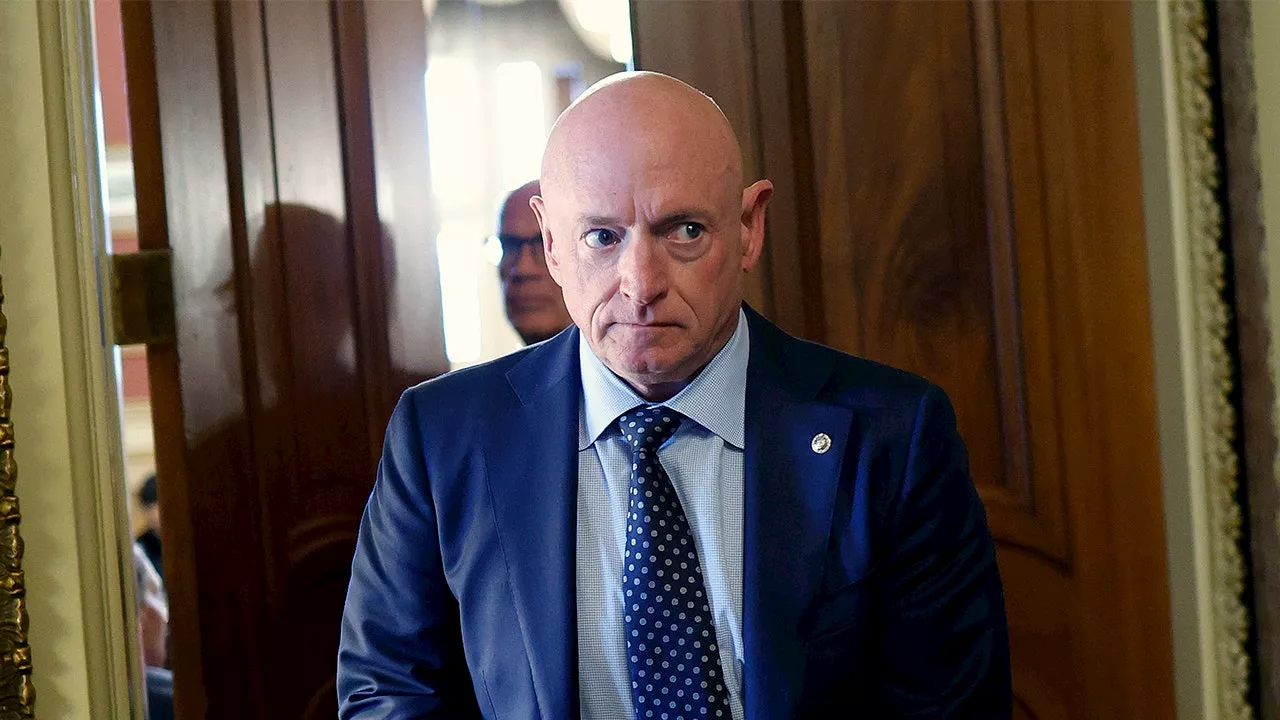
Senator Mark Kelly, a Democrat from Arizona, faced intense questioning on NBC’s “Meet the Press” regarding his recent call for military personnel to reject illegal orders. This discussion arose after Kelly, along with five other Democratic lawmakers, released a video urging service members to refuse any unlawful directives from the Trump administration. The interview highlighted the complexities of military decision-making in situations where the legality of orders can be ambiguous.
During the segment, NBC host Kristen Welker pressed Kelly on the hypothetical scenario of receiving an order to strike suspected drug boats and kill everyone on board. “You were a pilot yourself, you flew 39 combat missions over Iraq and Kuwait. Would you refuse that order in real time if you were still in uniform?” she asked. Kelly responded by emphasizing the distinction between lawful and unlawful orders, stating, “People can tell the difference, should be able to tell the difference, between something that is unlawful and something that is lawful.” He stressed that if he ever received an unlawful order, he would refuse it.
The video featuring Kelly and his colleagues, including Senator Elissa Slotkin and Representatives Chris Deluzio, Maggie Goodlander, Chrissy Houlahan, and Jason Crow, has drawn sharp criticism from President Trump. The former president labeled the lawmakers’ actions as seditious and accused them of undermining military authority. In response to Trump’s remarks, Kelly stated, “We said something very simple. Members of the military need to follow the law. We wanted to say that we have their backs.”
The Pentagon is currently investigating the implications of Kelly’s statements. Legal experts have raised questions about the investigation’s legitimacy, especially in light of the First Amendment rights of lawmakers. Some analysts argue that the military should allow space for discourse on the legality of orders without fear of retribution.
In the interview, Kelly acknowledged the significant burden placed on military officers when faced with critical decisions about the legality of their orders. “It’s a tremendous amount of burden on officers in the military, but that is their responsibility,” he said. He emphasized the necessity for military leaders to possess a strong understanding of the Constitution and the rule of law, advocating for leadership that respects these principles over political whims.
As the debate continues, Kelly reiterated his commitment to stand by his position. On a recent late-night talk show with Jimmy Kimmel, he declared, “I’m not backing down.” He remarked on the complexities of navigating military orders and the potential ramifications for service members who might later find themselves in situations where their actions could be deemed illegal.
The dialogue surrounding Kelly’s stance raises broader questions about military ethics and the responsibilities of service members in adhering to the law. As this situation unfolds, it remains crucial to assess the impact on military personnel and the legal frameworks guiding their actions.