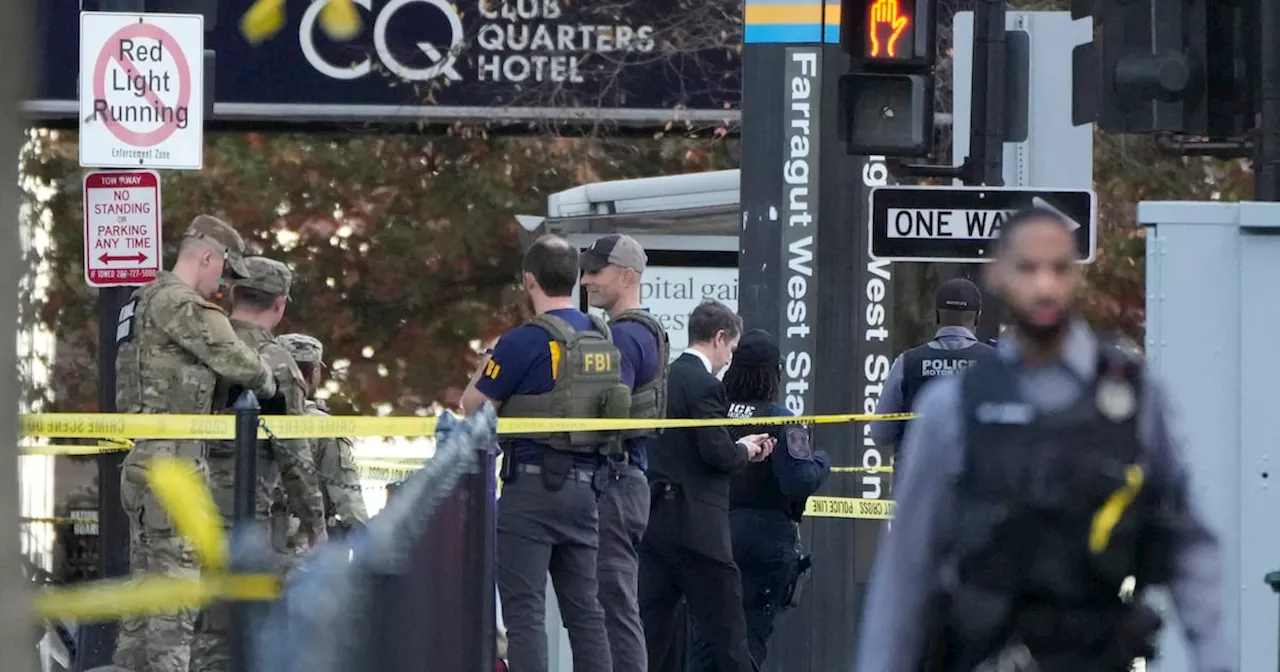
Rahmanullah Lakanwal, the individual accused of shooting two National Guard members in Washington, D.C., has a complex background as a former elite counterterrorism soldier in Afghanistan. His transition to civilian life in the United States after serving with U.S. forces has been marred by struggles that reflect broader issues faced by Afghan refugees.
Lakanwal, who reportedly joined the CIA-trained Unit 03, also known as the Kandahar Strike Force, around 2011, earned a reputation as a skilled soldier. His unit often conducted high-stakes counterterrorism missions, operating in some of the most dangerous regions of Afghanistan. According to a former U.S. intelligence officer familiar with the unit, Lakanwal underwent rigorous vetting to ensure his reliability and loyalty during chaotic firefights alongside American forces.
Despite his military accolades, Lakanwal’s life began to deteriorate following his arrival in the United States after the U.S. withdrawal from Afghanistan in August 2021. Many Afghan allies, like Lakanwal, faced immense challenges adapting to a new culture and environment. A former senior Afghan commander, who remains connected to the Afghan refugee community, highlighted that many of these veterans lost everything upon arriving in the U.S.
“They are told they need to work, but they don’t have the necessary skills,” the commander said, addressing the difficulties faced by those who once held prominent roles in their home country.
The chaotic evacuation marked a significant turning point for Lakanwal. He arrived in the U.S. through Operation Allies Welcome, a program that facilitated the resettlement of around **76,000** Afghan nationals. Initially, he received humanitarian parole but struggled to secure employment due to the expiration of his parole status and delays in visa approval.
In April 2025, Lakanwal was granted political asylum, but he did not receive a renewed work authorization card, further complicating his ability to support his family. His financial struggles reportedly intensified tensions within his household, leading to conflicts with his brother over shared living expenses.
The circumstances surrounding the shooting incident have drawn scrutiny, particularly from some Trump administration officials who have framed Lakanwal’s alleged actions as a consequence of the Biden administration’s withdrawal strategy. They argue that the influx of Afghan refugees occurred without adequate vetting. However, interviews with former Afghan fighters and U.S. personnel suggest a more intricate narrative.
Lakanwal’s military background included extensive experience in U.S.-led operations against al-Qaeda and ISIS. He participated in numerous missions, often facing intense combat situations. According to Mick Mulroy, a retired Marine and former CIA paramilitary officer, Lakanwal operated as a “door breacher,” a critical role involving direct confrontations with potential threats.
While Lakanwal was considered a competent soldier, the psychological toll of years spent in high-stress combat environments is profound. Geeta Bakshi, a former CIA officer now leading FAMIL, a nonprofit supporting Afghan veterans, expressed concern about the mental health challenges faced by individuals like Lakanwal. “Helping them integrate safely and successfully is critical for them, their families, and their new communities,” Bakshi stated.
The shooting incident has raised alarms within the Afghan community in the U.S. The former Afghan commander emphasized that many veterans experience mental health issues, compounded by the stress of navigating a new life in America. He indicated that these challenges were often overlooked by officials during both the Biden and Trump administrations.
The aftermath of this tragic event underscores the necessity of providing support and resources for those who risked their lives alongside U.S. forces in Afghanistan. The ongoing investigation into Lakanwal’s motivations may reveal deeper issues related to the mental health of Afghan veterans as they transition to civilian life in a new country.