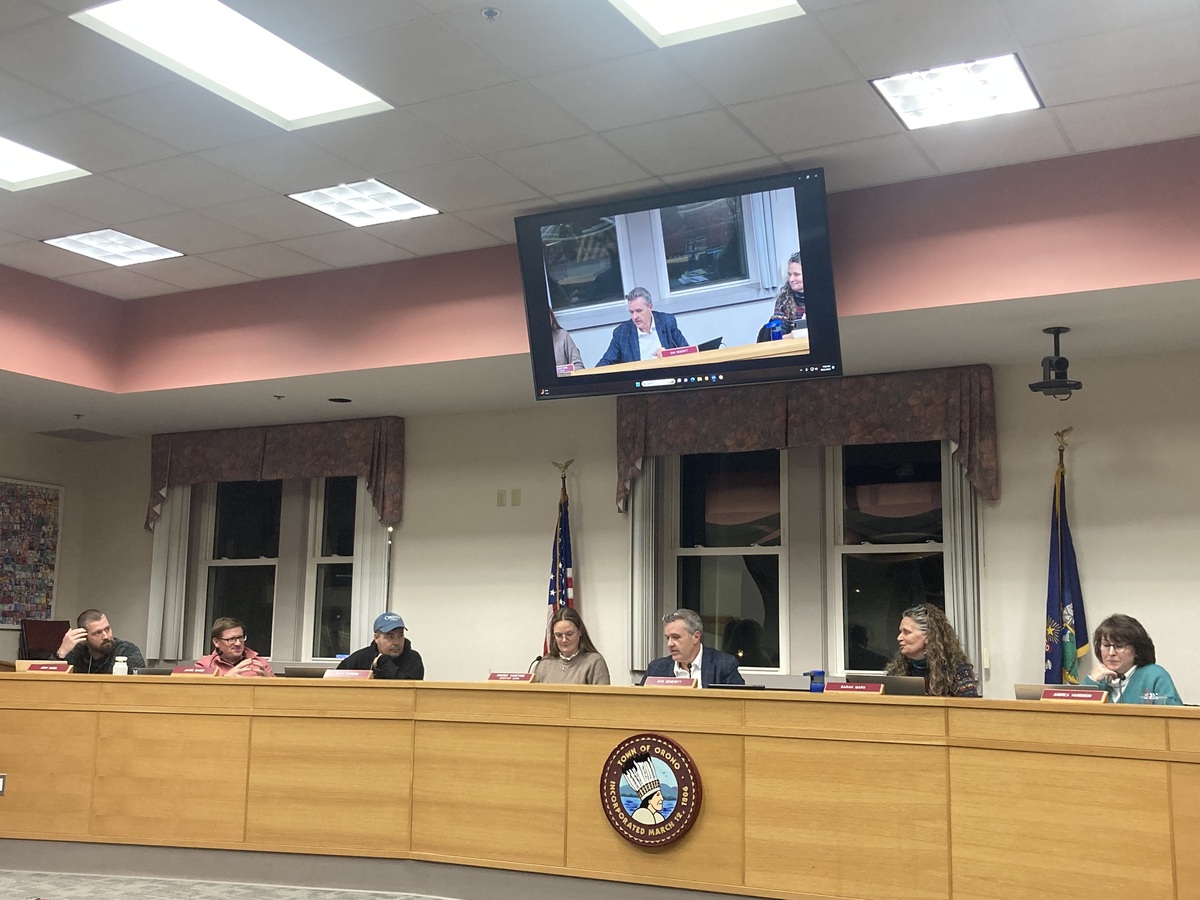
Orono is advancing plans to fund over $11.6 million in community projects set to commence in 2026. Following a meeting on Monday, the Town Council announced plans for a town meeting, where residents will have the opportunity to discuss funding sources, including undesignated funds, bonds, and taxpayer contributions.
The proposed projects encompass a library expansion, sewer infrastructure repairs, and the construction of a new police station. To support these initiatives, the town aims to secure $9 million in bonds, with a significant portion allocated to a $6 million sewer maintenance project. Additionally, a $3 million bond is anticipated to fund other projects totaling $5.6 million.
Funding Challenges and Strategies
These projects are integral to Orono’s multi-year improvement strategy and are not included in the current year’s budget. This situation necessitates the use of reserve funds or the issuance of new bonds. Presently, Orono has four active bonds amounting to nearly $16 million in debt. Town officials expressed concerns about increasing the existing bond burden, which could lead to higher annual interest payments or a rise in tax rates.
The sewer upgrades, which are crucial for community infrastructure, would be financed through a bond paid back by sewer rate payers. This approach will necessitate a 5% increase in rates for both 2027 and 2028 to cover interest costs. The Council unanimously endorsed the sewer improvements, emphasizing their necessity for the town’s future.
The library expansion, planned since 2023, is expected to more than double its size from 6,500 square feet to over 13,000 square feet. The total estimated cost for this project exceeds $7 million. Council Chair Dan Demerritt referred to both the library and police station as “multi-generational projects” that would enhance community services.
Community Engagement and Fiscal Responsibility
Renovations for the fire department and relocation of the police department are currently underway, following the acquisition of a former bank building at 56 Main St.. This building requires approximately $3 million for necessary repairs and renovations before the police department can occupy it. To alleviate the bond amount, the Council decided to allocate $1.2 million from capital plan reserves, which were originally intended for road projects.
Councilor Jacob Baker highlighted the importance of this decision, stating, “I understand the perception that we’re putting public works projects on hold, but it is saving us $40,000 plus in interest per year.” The nearly $16 million debt for Orono and the $14.5 million debt service for Regional School Unit 26 is comparable to other municipalities in the Greater Bangor area, as noted by Kate Dufour, director of advocacy and communications for the Maine Municipal Association.
Dufour elaborated, “A $1 million bond accrues roughly $40,000 in interest per year.” She emphasized that the total bond amounts for both the town and school are not indicative of a deficit but rather a managed debt service that is accounted for in their budgets.
The financing from these bonds typically supports larger projects that would otherwise necessitate tax increases if funded through the town’s budget. Dufour compared this process to using a credit card, stating, “It’s getting cash up front in order to perform some sort of function, and it’s usually capital.”
While Orono’s decision on these bonds will not go to a town vote, residents will have input during the upcoming town meeting. Dufour mentioned that community perspectives may differ from those of councilors, reflecting varied opinions on funding strategies.
Town Manager Clint Deschene acknowledged the shifting priorities within the community, stating, “I don’t know what the community is thinking all the time, but I do know I hear a lot of ideas of other things we could be doing.” He further noted that the cost of bond interest closely matches the interest earned on the town’s funds, suggesting that borrowing might only offset the cost of projects.
Councilors expressed concerns about a potentially unstable economy, prompting them to maintain $800,000 in reserve funds to address unforeseen needs. This reserve may provide flexibility for the town to resolve issues as they arise, rather than resorting to further bonding.
Councilor Sarah Marx urged her colleagues to remain vigilant about future funding opportunities, stating, “I’d like us to try really hard when we get any extra money… to be aware that we otherwise will be back here.” The upcoming town meeting will serve as a platform for residents to express their views on these critical funding decisions, ensuring community involvement in shaping Orono’s future.