U.S. President Donald Trump will host the leaders of Congo and Rwanda on March 7, 2024, for the signing of a peace agreement aimed at addressing the ongoing conflict in eastern Congo. This initiative, known as the Washington Accords for Peace and Prosperity, seeks to end hostilities and facilitate access to the region’s vital mineral resources for American companies.
The agreement, described by the White House as a “historic” achievement, is the culmination of extensive diplomatic efforts involving the African Union, Qatar, and other partners. It builds upon a previously signed deal from June 2023 and aims to stabilize a region that has been plagued by violence from over 100 armed groups, notably the M23 rebels, who are allegedly backed by Rwanda.
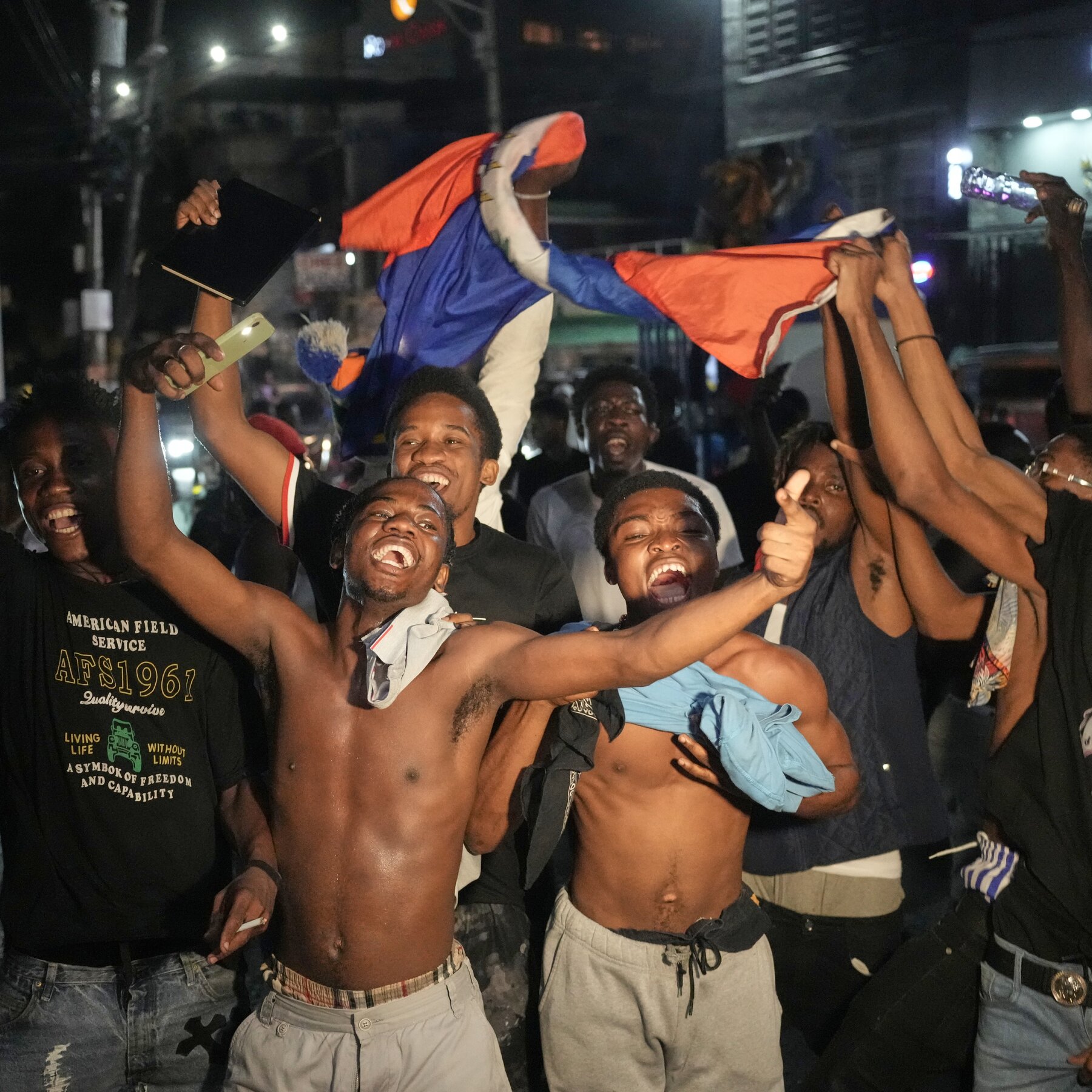
Eastern Congo has been in turmoil, experiencing a surge in conflict this year as M23 forces captured key cities such as Goma and Bukavu, exacerbating a humanitarian crisis that has displaced millions. Despite the optimistic framing from the U.S. administration, local voices express skepticism about the deal’s potential to bring immediate peace. Amani Chibalonza Edith, a resident of Goma, stated, “We are still at war. There can be no peace as long as the front lines remain active.”
The signing ceremony will take place at the U.S. Institute of Peace in Washington and is expected to include separate meetings between Trump and the leaders of Congo and Rwanda before a three-way discussion. The event has drawn attention from several African leaders and will coincide with a gathering hosted by the U.S. Chamber of Commerce, focusing on investment opportunities in critical minerals, energy, and tourism.
The backdrop of this agreement is not just political but also economic. The Trump administration is seeking to reduce reliance on China, which currently dominates the rare earth mineral market, controlling nearly 70% of global mining and about 90% of processing. By solidifying ties with Congo, the U.S. aims to secure access to essential minerals used in manufacturing technologies ranging from cellphones to fighter jets.
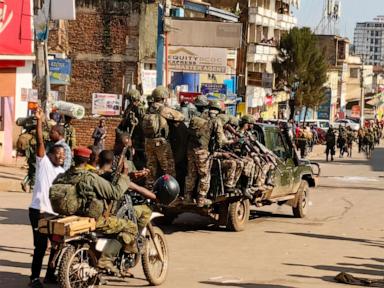
Despite the optimism surrounding the Washington Accords, residents in conflict-affected areas report ongoing violence. In various localities, clashes between M23 fighters and Congolese military forces continue, with both sides accusing each other of violating ceasefire terms. “We are waiting to see what will happen because so far, both sides continue to clash and attack each other,” remarked Moise Bauma, a student from Bukavu.
The humanitarian situation in eastern Congo is dire. Funding cuts from the U.S. have further exacerbated challenges, leading to resource shortages and rising crime rates. The international airport in Goma remains closed, and essential government services have yet to resume, leaving many residents struggling to access basic necessities.
The roots of the conflict can be traced back to the aftermath of the 1994 Rwandan genocide, which led to significant displacement and ongoing tensions between Hutu and Tutsi populations. Rwandan authorities have expressed concerns about Hutu militias, asserting that they pose a threat to national security. Meanwhile, the Congolese government demands that Rwanda withdraw its support for M23 fighters to achieve lasting peace.
As the leaders prepare to sign the agreement, both Congo and Rwanda emphasize the importance of U.S. involvement in achieving stability. Yolande Makolo, a senior adviser to Kagame, stated, “We need that attention from the administration to continue to get to where we need to get to. We are under no illusion that this is going to be easy. This is not the end but it’s a good step.”
The coming days will be crucial as the international community watches to see if this agreement can translate into tangible improvements for the millions affected by conflict in eastern Congo.