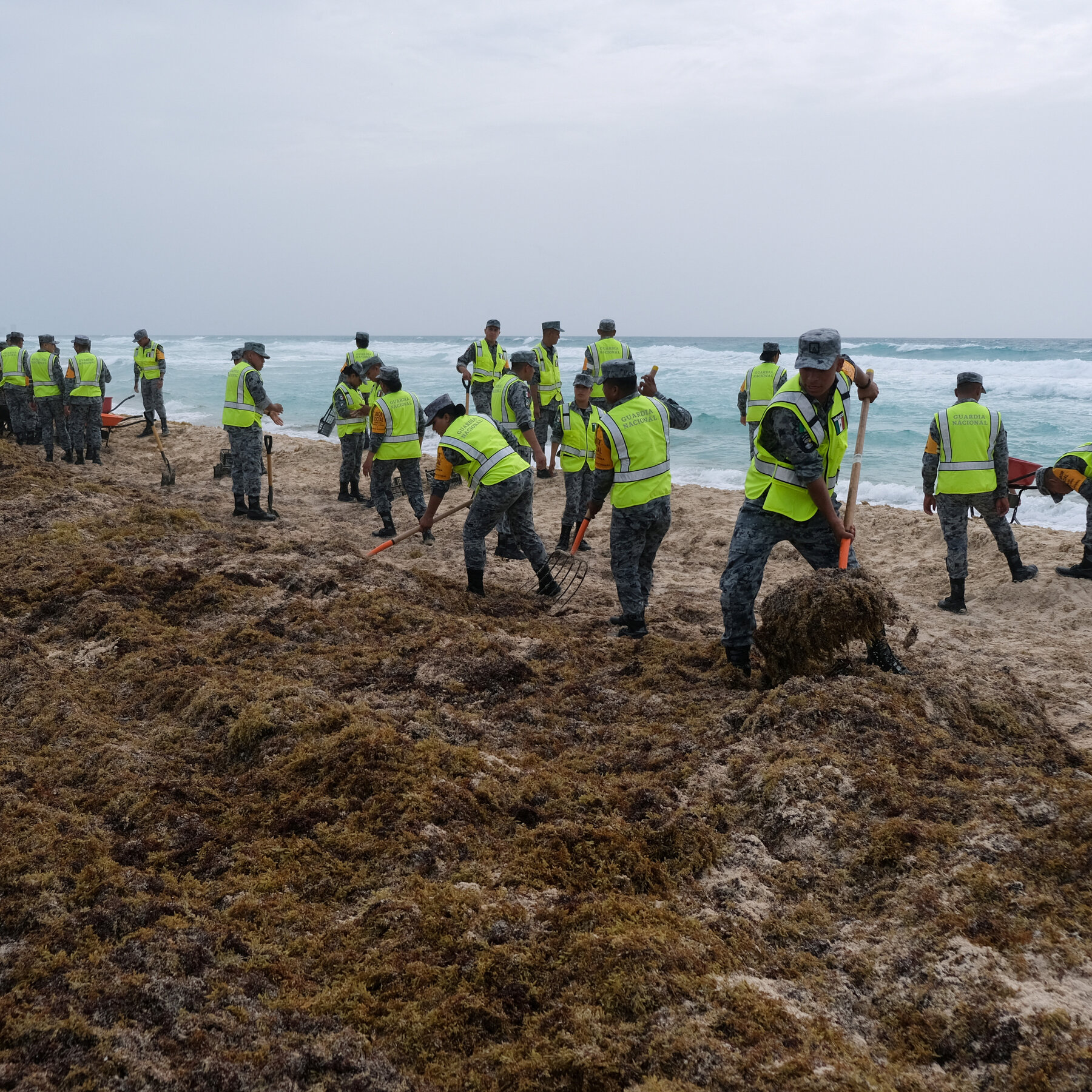
A recent study has revealed a stark contrast in the state of seaweed in the Atlantic Ocean, with alarming growth of yellowish-brown seaweed near the Equator while a centuries-old patch in the northern regions is vanishing. This shift highlights the impact of climate change on marine ecosystems and coastal environments.
Researchers from the National Oceanic and Atmospheric Administration (NOAA) noted that the vast bloom of seaweed, particularly visible in the Caribbean Sea and along the eastern coast of the United States, has reached unprecedented levels. As of June 2023, satellite imagery indicated that this seaweed mass spans thousands of square kilometers, creating challenges for local tourism and fisheries.
The expanding seaweed growth is attributed to rising sea temperatures and nutrient runoff, which are essential for its proliferation. This phenomenon poses a significant threat to coastal regions, where the bloated masses can wash ashore, leading to beach closures and negatively affecting marine life. According to NOAA, the implications for coastal communities could be severe, impacting both the environment and local economies reliant on tourism.
In contrast, the centuries-old patch of seaweed located farther north is experiencing a stark decline. Once a vibrant ecosystem supporting various marine species, this area has shrunk dramatically in recent years. Researchers attribute this disappearance to changing oceanic conditions linked to climate change, which disrupt the delicate balance required for such ecosystems to thrive.
As the climate crisis escalates, the fate of these seaweed patches may serve as a bellwether for the health of the broader marine environment. The differences in these two regions underscore the complex and often contradictory effects of climate change on oceanic ecosystems. While some areas face invasive growth, others see their native flora diminish.
The consequences of this shifting dynamic extend beyond environmental concerns. Local economies that depend on healthy beaches and marine biodiversity are at risk. Fishermen and tourism operators are already feeling the pressure from the influx of seaweed, which complicates fishing operations and deters visitors.
In response to these challenges, experts emphasize the need for comprehensive strategies to address the underlying causes of climate change. Efforts to reduce nutrient runoff and manage coastal resources sustainably are critical as communities adapt to the changing landscape.
The ongoing research into these seaweed blooms and their implications is vital for understanding the future of marine ecosystems. As climate change continues to reshape our world, monitoring the health of both thriving and declining seaweed patches will be essential in developing effective environmental policies.
This stark contrast in seaweed dynamics serves as a reminder of the urgent need for action against climate change. The future of coastal ecosystems, local economies, and marine biodiversity hangs in the balance as we grapple with the complexities of a warming planet.