Back pain affects a significant portion of the population, often leading to discomfort that hampers daily activities. To combat this issue, certified yoga therapist Jillian Pransky offers two restorative yoga exercises designed to relieve tension and restore mobility. These simple yet effective moves can provide relief for those struggling with back discomfort, allowing individuals to regain comfort and ease in their movements.
Understanding the underlying causes of back tension is essential. Many individuals attribute their discomfort to aging or poor posture from prolonged sitting. While these factors can contribute, Pransky emphasizes the role of stress in exacerbating back pain. She explains that the psoas muscle, which connects the legs to the spine, is particularly responsive to stress.
“When we feel overwhelmed or anxious, the psoas contracts, which can lead to tightness in the back,” Pransky states. This muscle can remain tense throughout the day, especially for those who sit for extended periods or wear high-heeled shoes.
In light of this, Pransky shares two restorative yoga poses that focus on releasing tension in the psoas and promoting relaxation. These exercises can be performed on a yoga mat, providing support for the back and joints.
Two Effective Yoga Exercises
The first exercise combines Sphinx Pose and Crocodile Pose. To begin, lie face down on the mat in Sphinx Pose, with forearms resting on the ground and the chest lifted. Allow your hips to feel heavy as you inhale and gently lift your upper body.
Next, transition into Crocodile Pose by bending one knee outward, resting your cheek on the ground. This position allows your body to relax fully and encourages deep breathing. Repeat this sequence for two to three rounds of breath before switching sides.
These poses effectively calm the psoas muscle, promoting a transition from tension to relaxation. The Sphinx Pose gently extends the front body, while Crocodile Pose encourages complete surrender. As Pransky notes, this combination reinforces the relaxation response, alleviating lingering tension in the back.
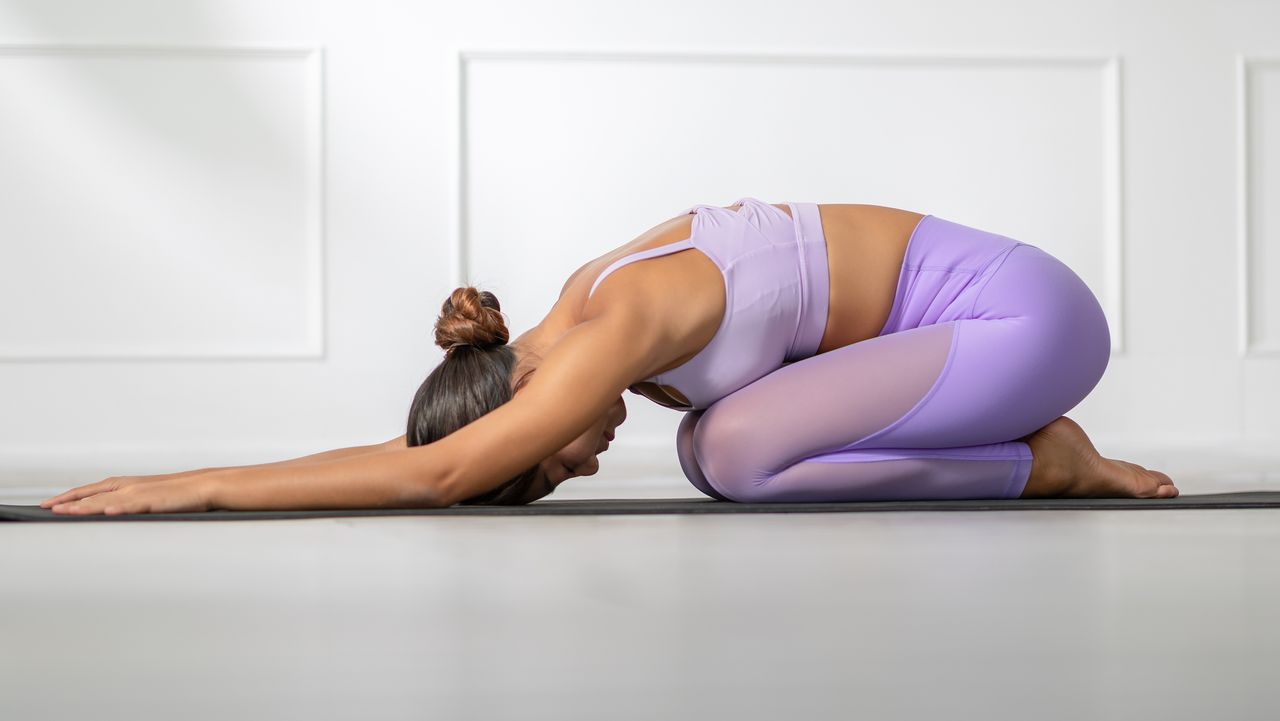
The second exercise, Child’s Pose, is another valuable tool for relieving back tension. Begin in a kneeling position, with your big toes touching and knees spread apart. Extend your arms forward and lower your torso between your thighs, resting your forehead on the mat.
Hold this position for one to three minutes, focusing on deepening your breath and softening any remaining tension in your body. While Child’s Pose does not directly stretch the psoas, it allows surrounding muscles to relax, indirectly benefiting the psoas itself.
Pransky explains that this pose helps the body integrate the effects of previous movements while providing a sense of security and grounding.
Incorporating these two yoga exercises into a regular routine can significantly impact those suffering from back pain. By understanding the connection between stress and tension in the body, individuals can take proactive steps to alleviate discomfort and improve their overall well-being.
For those interested in enhancing their practice, proper support from quality yoga mats is recommended. Exploring options for suitable mats can further enhance the comfort and effectiveness of these restorative exercises.