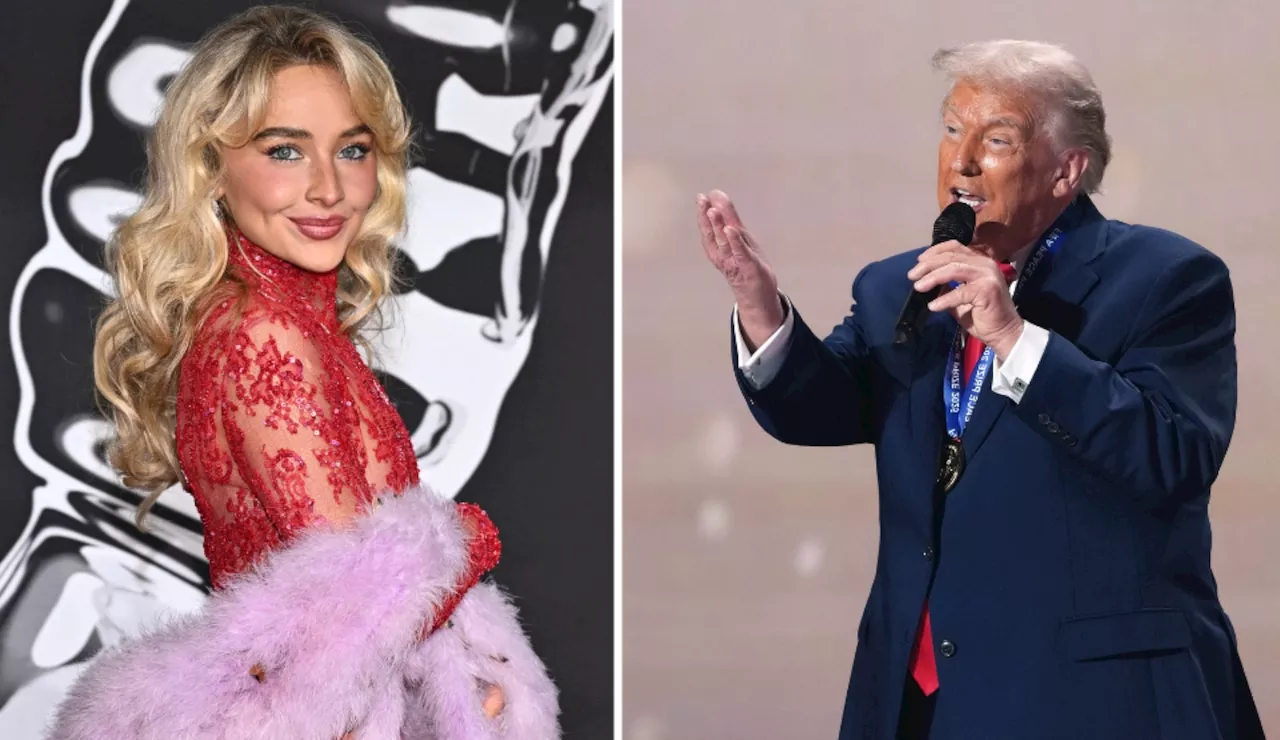
Pop star Sabrina Carpenter compelled the White House to retract a contentious video that used her song “Juno” without permission. The video, which depicted law enforcement actions by ICE agents, received swift backlash after Carpenter condemned it as “evil and disgusting.”
The incident unfolded earlier this week when Carpenter expressed her outrage on social media. In a post on X, she stated, “This video is evil and disgusting. Do not ever involve me or my music to benefit your inhumane agenda.” Her strong condemnation quickly gained traction, leading to public pressure on the administration.
Escalation of the Conflict
Following the removal of the original video, White House spokeswoman Abigail Jackson issued a defiant response. She defended the use of Carpenter’s music, twisting the lyrics to counter Carpenter’s objection. “Here’s a short n’ sweet message for Sabrina Carpenter: we won’t apologize for deporting dangerous criminal illegal murderers, rapists, and pedophiles from our country,” Jackson stated.
In a controversial move, the White House released a new video that manipulated Carpenter’s lyrics, altering the phrase “too hot” to “too illegal.” This audio manipulation sparked further debate over the ethical implications of using an artist’s work in a political context.
Carpenter, who rose to fame as a Disney star, has since evolved her musical style and public persona. Her call for the White House to refrain from using her music highlights the broader issues of artistic integrity and the responsibilities of political entities in the digital age.
Public Response and Broader Implications
The incident has ignited discussions among fans and commentators regarding the responsibility of public figures in political discourse. Many supporters have rallied around Carpenter, praising her for standing firm against what they perceive as the exploitation of her art for political gain.
This situation is a stark reminder of the challenges artists face when their work is appropriated in ways they do not endorse. Carpenter’s confrontation with the White House underscores the tension between creative expression and political messaging, a conflict that continues to resonate across various platforms.
As the discourse evolves, it remains to be seen how such incidents will shape the relationship between artists and political institutions in the future. For now, Carpenter’s bold stance has brought significant attention to the issue, prompting a wider conversation about the ethical use of music in political campaigns.