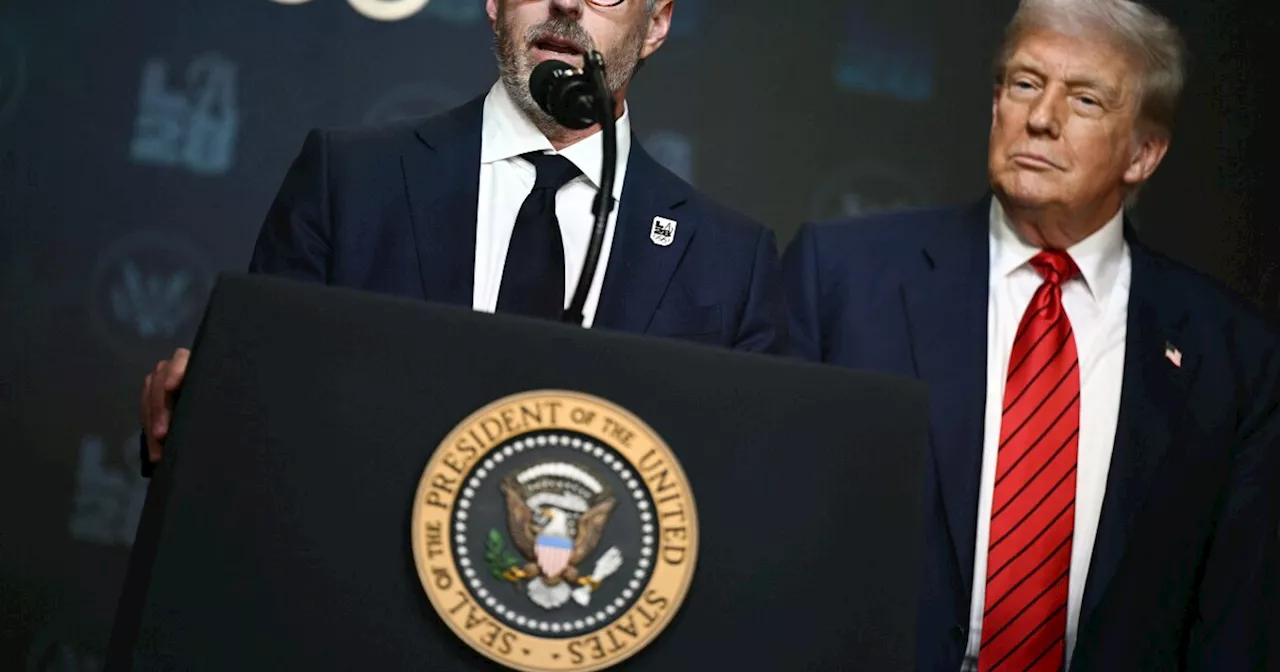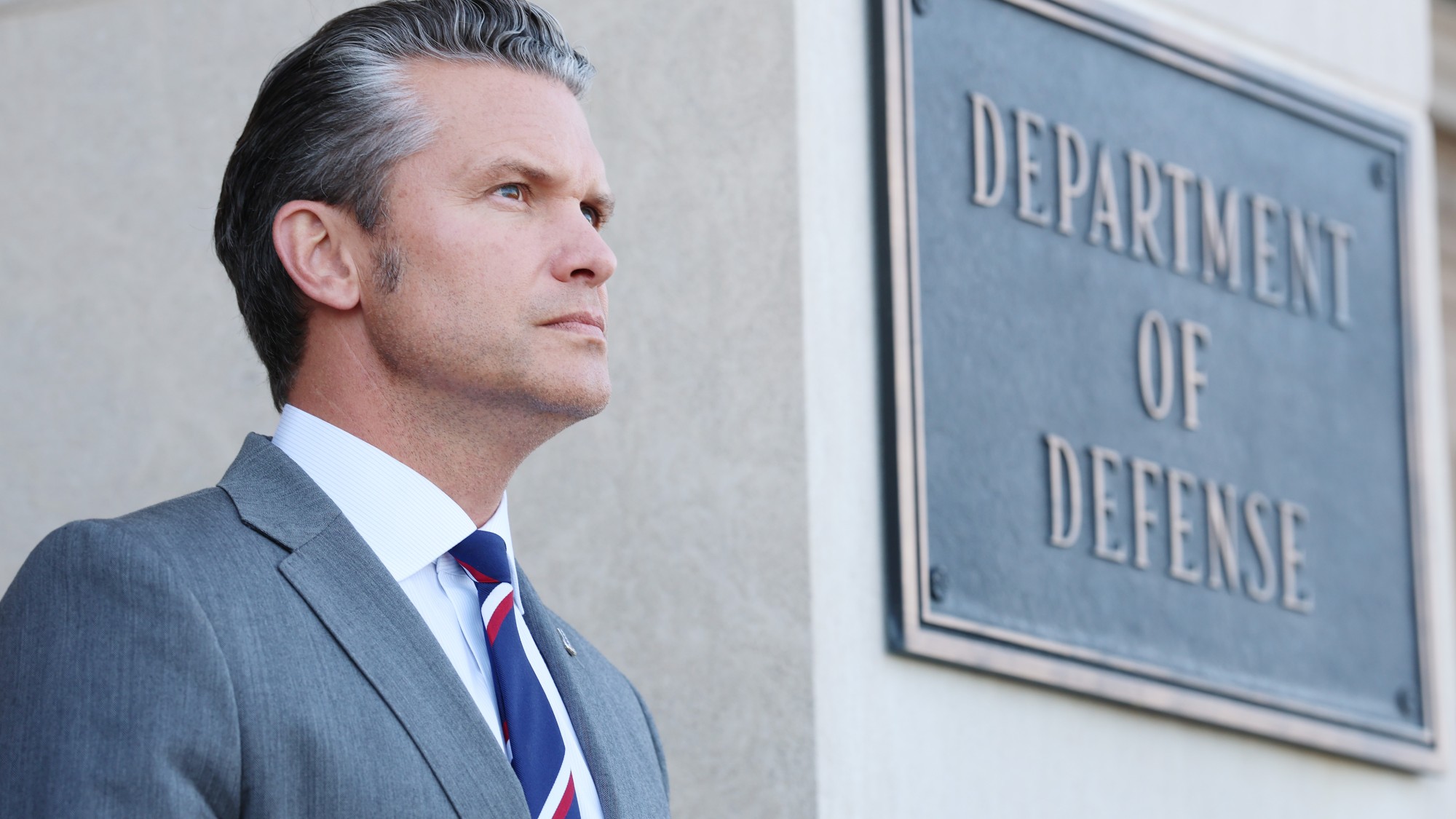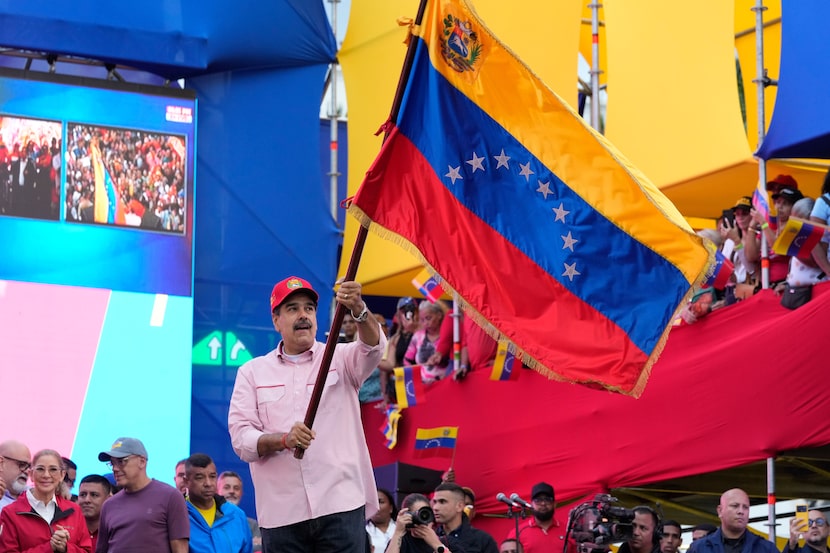
Tensions between the United States and Venezuela escalated recently as President Donald Trump announced the closure of Venezuelan airspace. This decision, framed as part of an operation targeting drug cartels, has sparked criticism regarding its legality and potential implications for U.S.-Venezuela relations. Critics argue that this move is primarily a retaliatory strike against Venezuelan President Nicolas Maduro, raising fears of military conflict.
In conjunction with this airspace closure, Trump has expressed intentions to pardon Juan Orlando Hernandez, the former president of Honduras, who was sentenced to 45 years in prison for drug trafficking and weapons charges in a New York federal court. This has led to confusion about U.S. foreign policy, particularly since Hernandez’s administration was implicated in facilitating drug trafficking across Central America. The apparent contradiction in Trump’s stance—targeting Maduro for drug-related issues while pardoning a convicted trafficker—has left many questioning the rationale behind such decisions.
Debate Over Immigration Policies and Practices
The immigration system in the United States is also facing scrutiny, particularly in light of recent actions by the Department of Homeland Security and its Secretary, Kristi Noem. Concerns have been raised about the erosion of trust in immigration processes, especially following mass arrests by Immigration and Customs Enforcement (ICE) and reports of migrants found in perilous conditions. There are growing calls for transparency and humane treatment in immigration enforcement, emphasizing the need for accountability at all levels.
Citizen responses reflect a broader concern regarding the balance between national security and civil rights. Some argue that while it is essential to vet immigrants, the prioritization of undocumented status as a crime similar to a minor infraction raises ethical questions. A letter from David West of Allen highlighted that evidence suggests undocumented immigrants commit fewer crimes than citizens, challenging the justification for aggressive enforcement policies.
Local Issues: Trash Collection in Dallas
In local news, a survey launched in Dallas aims to address ongoing debates about trash collection practices. City Manager Kimberly Bizor Tolbert and Sanitation Director Cliff Gillespie are advocating for a shift from alley pickup to street collection. Many residents oppose this change, citing valid concerns about accessibility and convenience.
Gillespie has argued for the potential benefits of privatizing trash collection, suggesting that private companies may offer better service delivery. This perspective is supported by trends in other progressive cities that have successfully transitioned to private waste management systems, alleviating municipal burdens related to capital investment and employee management.
As discussions unfold, it remains clear that the intersection of national policies and local governance is prompting significant public engagement. From international relations to community services, the actions of leaders are under scrutiny, illustrating the complex dynamics of governance in contemporary society.