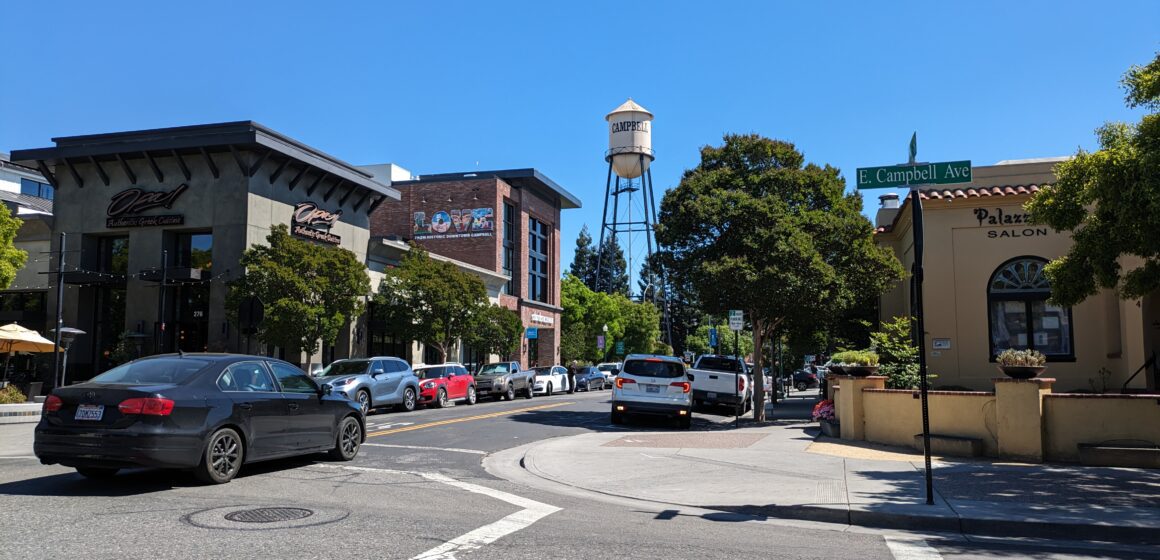
Residents of Santa Clara County are facing a significant rise in sales tax following the approval of Measure A. This new measure, which adds a temporary five-eighths-cent increase, will elevate the sales tax rate in Campbell to 10.5%. The change comes after a local vote on November 4, where 57% of voters supported the measure, aimed at bolstering the county’s public hospital system.
Three cities in the county—Campbell, Milpitas, and San Jose—will experience a sales tax rate of 10% or higher due to pre-existing local tax measures. The tax rate in Los Gatos will increase from 9.25% to 9.875%, while the remaining cities will see their rates rise from 9.125% to 9.75%. This increase is set to expire in 2031 unless county leaders decide to extend it.
Under Measure A, Campbell will rank among the highest taxed cities in California, placing it within the top 15% of all cities and counties statewide. The city already had the highest sales tax in Santa Clara County at 9.875%, which will now be adjusted under the new measure.
The recent sales tax hike follows a 2024 decision by Campbell voters to approve a half-cent increase aimed at generating $7 million annually to relieve financial pressures. This increase was made possible by a state bill that allows the city to exceed the state’s 9.25% limit on sales tax.
Mayor of Campbell, Sergio Lopez, expressed that while residents may hesitate to pay more taxes, they are willing to contribute if they see accountability and transparency regarding the allocation of funds. “People don’t love to give more of their money to taxes, but our community will do that if you can maintain trust and accountability and show where the money is going,” Lopez stated.
Local businessman Dan Orloff, who has been an active member of the community since 1977, underscored the importance of educating both customers and businesses about the reasons behind the tax increase. He advocates for a clear communication strategy to ensure the community understands the financial landscape.
The scope of the Measure A tax encompasses purchases of tangible items within Santa Clara County, including vehicles, furniture, and clothing. Exemptions apply to groceries, prescription medications, and essential household expenses like rent and utilities. The application of the tax to online purchases varies based on the retailer’s physical presence in California.
County officials have framed Measure A as vital to sustain their public hospital system, which has been under significant financial strain due to federal spending cuts. The measure allows for revenue flexibility, as it is classified as a general tax, not restricted to specific uses, unlike special taxes that require a two-thirds voter approval.
Opponents of Measure A raise concerns that the tax increase disproportionately impacts low-income residents, while proponents argue that these individuals rely heavily on the public hospital system—California’s second largest—especially in emergencies. County doctors warn that cuts to hospital resources could lead to increased pressure on emergency departments, delaying critical care for all residents.
Compounding the fiscal landscape, county law enforcement officials have voiced concerns regarding budget allocations. Initially skeptical about Measure A, law enforcement unions endorsed it after receiving assurances that their budgets would receive a share of the funds. Nevertheless, County Executive James Williams later proposed that all Measure A revenues be directed toward offsetting federal healthcare cuts, a recommendation pending approval from the Board of Supervisors.
In addition, a recent legislative change, Senate Bill 63, enables five Bay Area counties, including Santa Clara, to seek voter approval for additional sales tax increases to address public transit funding gaps. The Valley Transportation Authority (VTA) has already voted to participate, potentially placing a half-cent sales tax increase on the November 2026 ballot.
If approved, this would result in a cumulative sales tax increase of 1.125% for Santa Clara County from 2027 to 2031, further impacting the financial landscape for residents and businesses in the region.