Reports indicate that Iran sought to pressure Thailand into withdrawing approximately 40,000 farm workers from Israel following the attacks on October 7, 2023. This strategy was allegedly part of a covert operation to negotiate the release of Thai hostages taken by Hamas during the assault, which resulted in the deaths of 39 Thai citizens and the abduction of 31 others.
In the aftermath of the attack, which saw a significant loss of life and numerous hostages taken, the Iranian government tried to broker a deal with the Thai authorities. According to the Jerusalem Post, this plan was aimed at leveraging Thailand’s substantial labor presence in Israel to exert economic pressure on the country. The withdrawal of such a large number of workers could have severely impacted Israel’s agricultural sector, potentially leading to long-term repercussions for food production.
Bangkok engaged diplomatically with Tehran, sending representatives to discuss the situation with both Iranian officials and members of Hamas, including Mousa Abu Marzouk from Hamas’ political bureau. While negotiations took place, Thailand ultimately decided against the deal after 23 of the 31 hostages were released in a short-lived cease-fire arrangement in the weeks following the abduction.
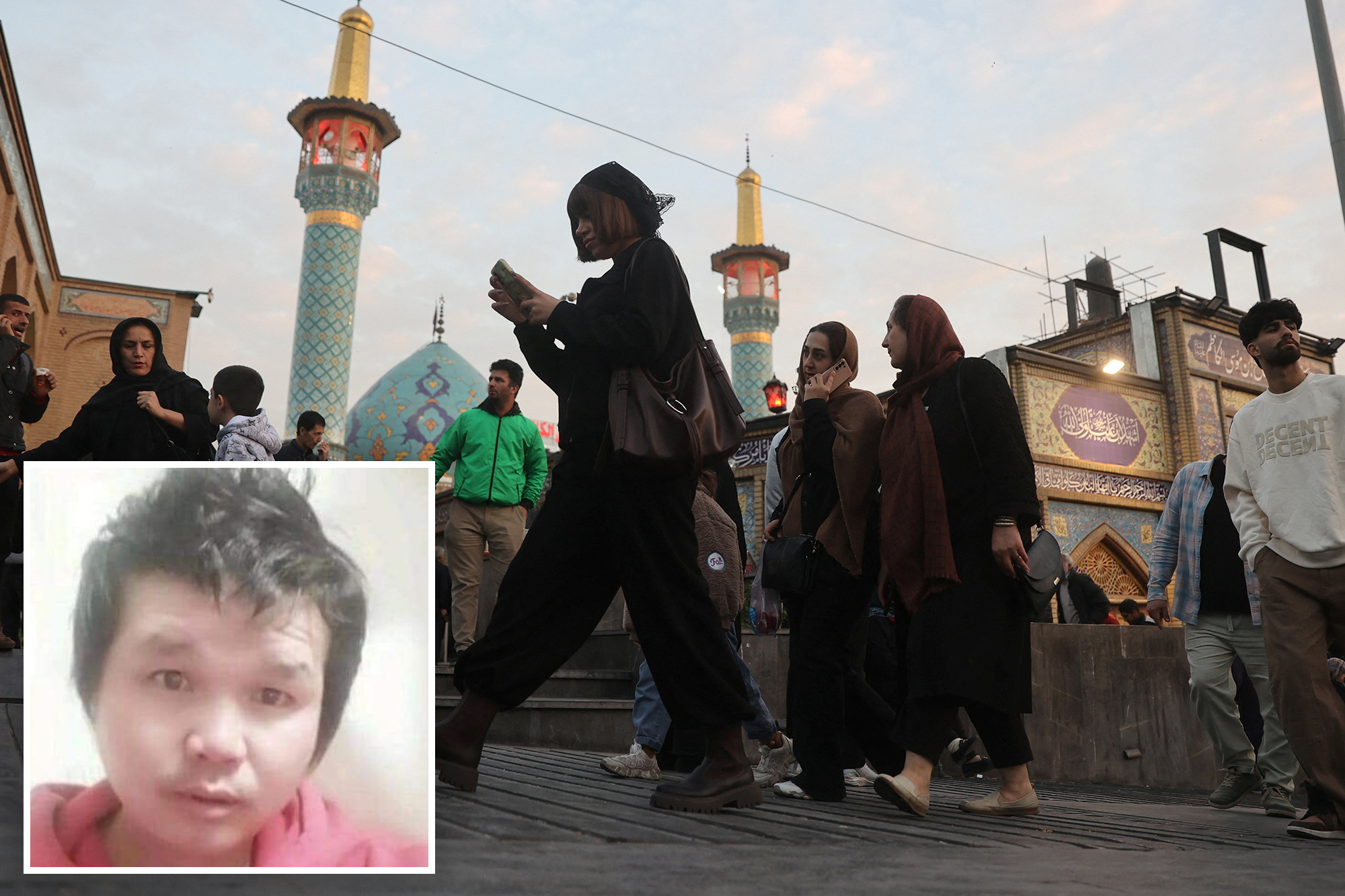
By mid-2024, Thailand had reassessed its diplomatic relations with Israel. The ongoing conflict saw a total of eight more Thai captives returned over the course of the two-year war. One of the last remaining hostages, Sudthisak Rinthalak, was working on a farm near the Gaza border when he was captured. His remains were returned to Israeli authorities on December 3, 2023, and he was laid to rest in Thailand shortly thereafter.
The situation highlights the complex interplay of regional politics and the human cost of conflict. The loss of life and the challenges faced by families of the hostages underscore the ongoing effects of the violence that erupted on that fateful day in October. While Thailand navigates its diplomatic landscape, the impact of these events will likely resonate in its foreign relations and domestic policies for years to come.