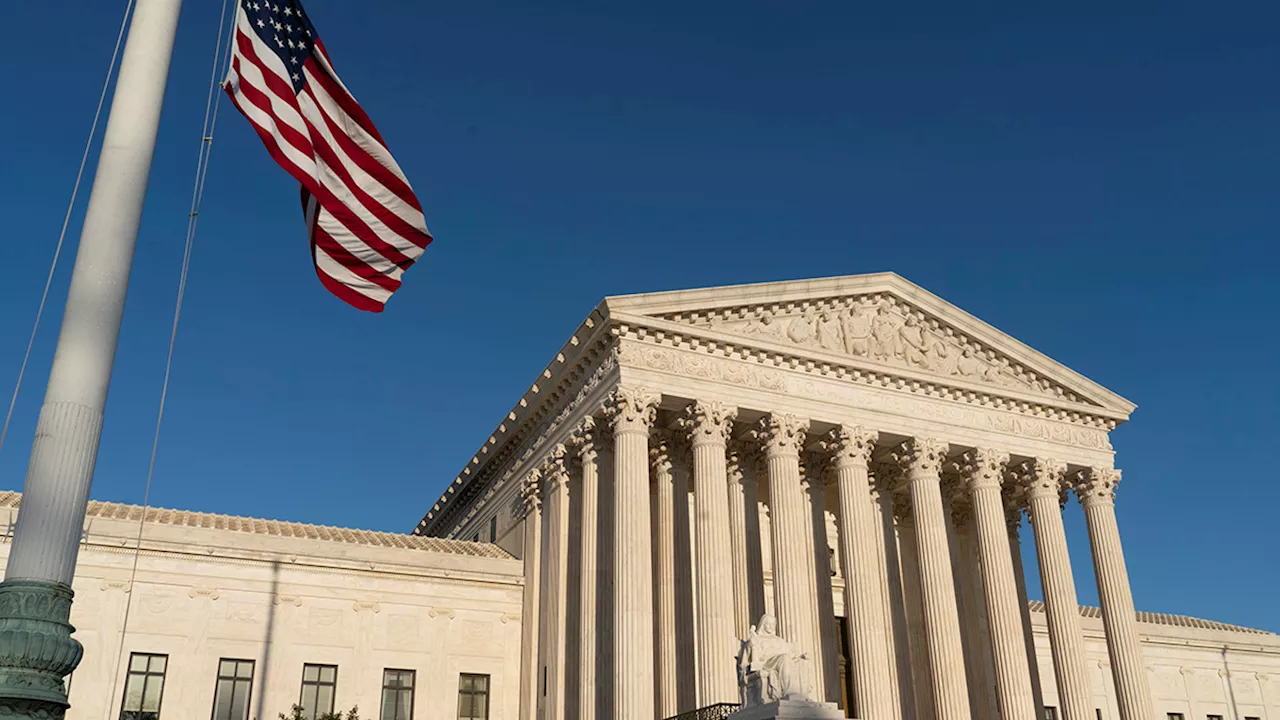
UPDATE: The Supreme Court is set to hear a pivotal case regarding Donald Trump’s controversial birthright citizenship order, which claims that children born to parents residing in the U.S. illegally or temporarily are not entitled to American citizenship. This case, scheduled for hearing in the spring of 2025, could drastically reshape over a century of established legal precedent.
This urgent legal battle arises from a lower court ruling that struck down Trump’s order, asserting it violates the 14th Amendment. The implications of this ruling are enormous, potentially affecting the citizenship status of millions of children born in the U.S. Trump’s order, signed on January 20, 2025, is part of his broader immigration crackdown, which includes heightened enforcement measures and the controversial invocation of the Alien Enemies Act.
Legal experts warn that if the Supreme Court upholds Trump’s order, it could overturn more than 125 years of understanding regarding citizenship rights in America. Every lower court that has reviewed the issue has indicated that the executive order is likely unconstitutional. Trump’s administration argues that children born to noncitizens are not “subject to the jurisdiction” of the United States, a stance that has faced widespread criticism.
The case has drawn support from 24 Republican-led states and prominent lawmakers like Senators Ted Cruz and Lindsey Graham, who back the administration’s efforts. As the nation awaits the Supreme Court’s decision, advocacy groups have been swift to act, filing a temporary restraining order to prevent Trump’s order from taking effect.
The urgency of this case is heightened by its potential to affect immigration policy nationally, impacting not just the children of undocumented immigrants but also the fabric of American civil rights established by the 14th Amendment. This amendment was originally adopted to guarantee citizenship to newly freed slaves and is now under scrutiny.
As the Supreme Court prepares for oral arguments, all eyes are on the justices, who have previously issued mixed signals on immigration-related matters. The upcoming ruling will not only shape the future of immigration policy but could also redefine the very concept of citizenship in the U.S.
The nation is poised for a definitive ruling expected by early summer 2025. This case represents the first major challenge to Trump’s immigration policies at the Supreme Court level, marking a critical juncture in the ongoing debate over immigrant rights and citizenship in America.
Stay tuned for updates as this story develops, and be prepared for possible nationwide implications from the Supreme Court’s decision.