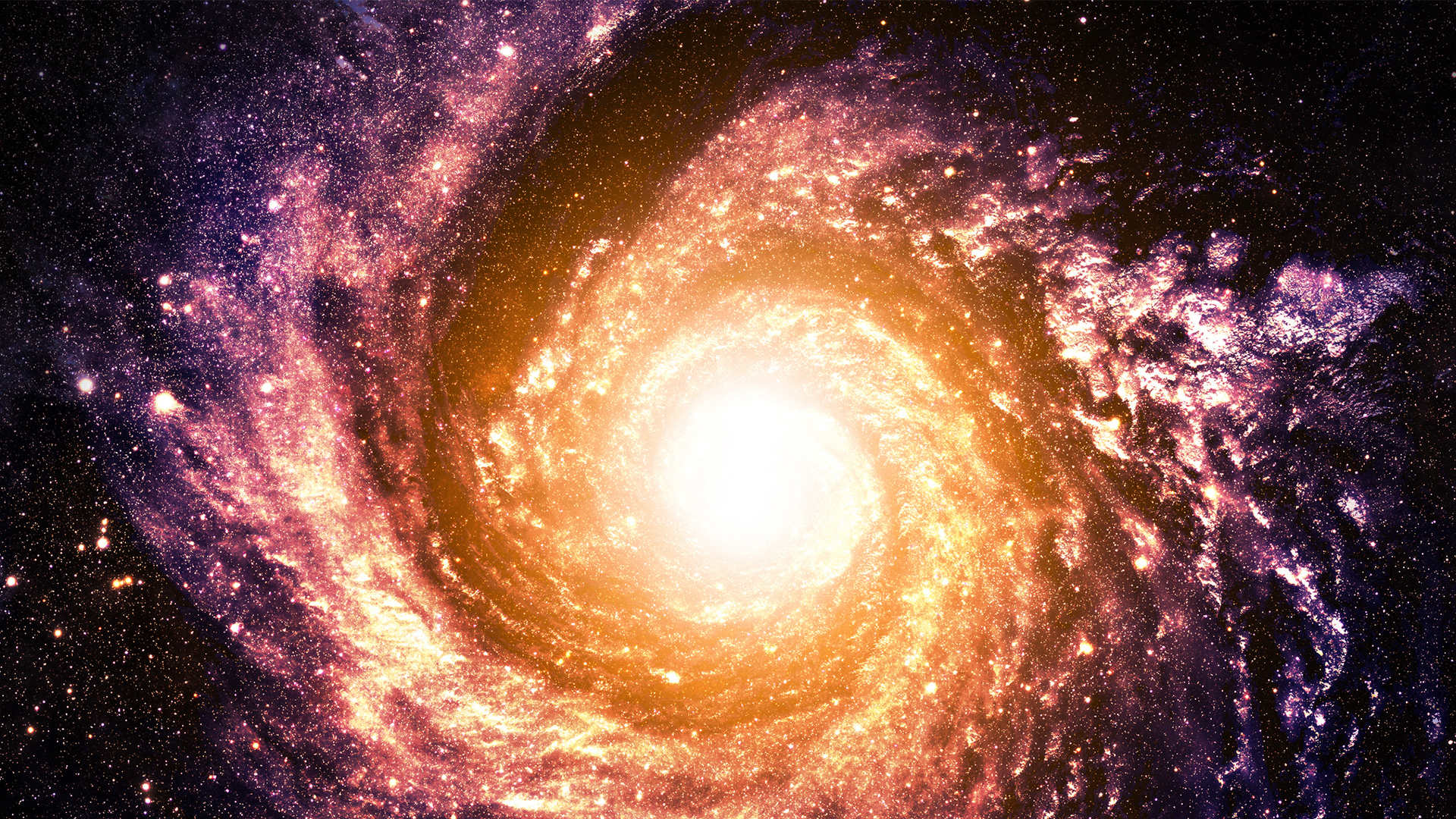
Recent research has unveiled a new analysis of quasar time delays that suggests the universe is expanding at a faster rate than previously estimated. This finding intensifies the ongoing debate surrounding the Hubble tension, which highlights the discrepancy between measurements of the universe’s expansion in the early universe and those observed today.
The study, conducted by an international team of astronomers, focused on the phenomenon of cosmic lensing, where the light from distant quasars is bent by the gravity of intervening galaxies. By examining these time delays in quasar light, researchers were able to derive a more accurate estimate of the current expansion rate of the universe.
New Insights into Cosmic Expansion
The results indicate that the universe could be expanding at a rate of approximately 73 kilometers per second per megaparsec, which stands in stark contrast to earlier predictions based on the cosmic microwave background radiation from the early universe. This significant discrepancy raises questions about our understanding of fundamental physics and could imply the existence of unknown forces or particles influencing cosmic expansion.
According to experts, this new analysis not only sharpens the Hubble tension but also hints at potential new physics that could transform our understanding of the universe. The findings were published in a leading astrophysics journal in January 2023 and have sparked considerable interest within the scientific community.
Researchers involved in this study emphasize the importance of continued observation and analysis of distant quasars. Each observation provides critical data that could further refine our understanding of cosmic expansion and may eventually help reconcile the differences between early-universe predictions and current measurements.
Implications for Cosmology and Beyond
The implications of a faster-expanding universe extend beyond theoretical physics. Understanding the rate of expansion is crucial for various fields, including cosmology and astrophysics. A clearer picture of cosmic expansion could influence models that predict the fate of the universe and how galaxies evolve over time.
Moreover, this research connects with ongoing efforts to explore dark energy, a mysterious force believed to be driving the accelerated expansion of the universe. As scientists delve deeper into these cosmic mysteries, they may uncover new insights that challenge long-held beliefs and reshape our understanding of the cosmos.
The collaboration among international researchers highlights the global effort to tackle these fundamental questions. The findings serve as a reminder of the dynamic nature of scientific inquiry and the ongoing quest to understand the universe’s complexities. As more data becomes available, the scientific community remains hopeful that answers will emerge, bringing clarity to the Hubble tension and expanding our grasp of the universe’s true nature.