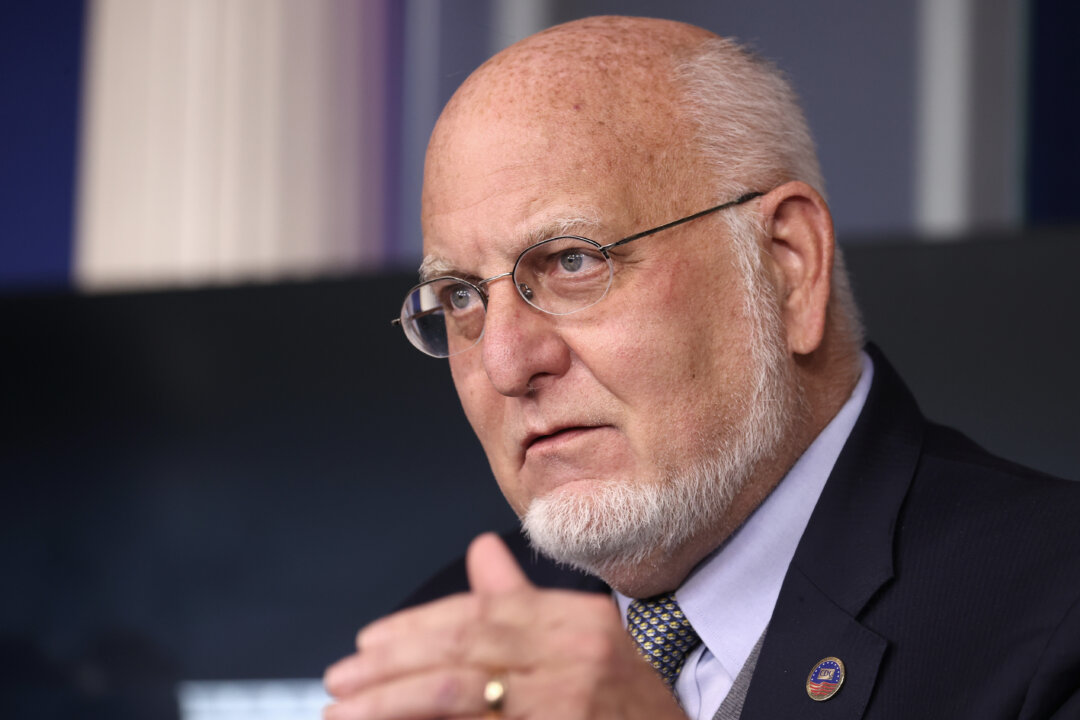
A former official from the Centers for Disease Control and Prevention, Dr. Robert Redfield, has called for the withdrawal of mRNA COVID-19 vaccines produced by Pfizer and Moderna. In an interview with EpochTV’s program “American Thought Leaders,” Dr. Redfield expressed concerns about the safety and long-term effects of these vaccines, stating he would like to see their use curtailed or eliminated altogether. The interview is scheduled for release on December 9, 2023.
Dr. Redfield, who served as the director of the CDC from March 2020 to January 2021, emphasized the need for caution regarding the mRNA technology employed in these vaccines. He remarked, “I think there’s too many unknowns” regarding the vaccines’ long-term effects. His comments come at a time when public health discussions around vaccine safety are increasingly relevant.
Background on mRNA Vaccines
The mRNA vaccines, developed by Pfizer and Moderna, were the first of their kind to receive emergency use authorization from regulatory bodies in late 2020. They utilize messenger ribonucleic acid (mRNA) technology to stimulate an immune response against the virus that causes COVID-19. The rapid development and deployment of these vaccines have played a critical role in combatting the pandemic.
Despite their widespread use and the millions of doses administered globally, concerns about potential side effects and long-term health implications have been raised by various health professionals and researchers. Dr. Redfield’s call for their removal adds to an ongoing debate about vaccine safety that has intensified as new variants of the virus emerge.
Dr. Redfield’s position is not entirely isolated within the health community. Some experts have echoed similar sentiments, advocating for further studies and transparent data regarding vaccine safety. The discussion about the mRNA vaccines is part of a broader discourse on pandemic management and vaccine trust among the public.
Implications for Public Health
The implications of Dr. Redfield’s statements could be significant, particularly as public health officials continue to navigate vaccination strategies amid changing virus dynamics. Calls for the removal of these vaccines may influence public perception and vaccination rates, which are crucial for achieving widespread immunity.
Regulatory agencies such as the CDC and the World Health Organization have consistently maintained that the benefits of mRNA vaccines in preventing severe illness and death from COVID-19 far outweigh the risks. They have emphasized the importance of ongoing monitoring and research to ensure vaccine safety.
As the health community grapples with these issues, the conversation surrounding COVID-19 vaccines remains pivotal. The outcome of the discussions about mRNA technology could shape future vaccine development and public trust in vaccinations, influencing health policy worldwide. Dr. Redfield’s remarks may prompt renewed scrutiny into the efficacy and safety protocols of existing vaccines, further complicating the landscape of public health initiatives as they evolve.