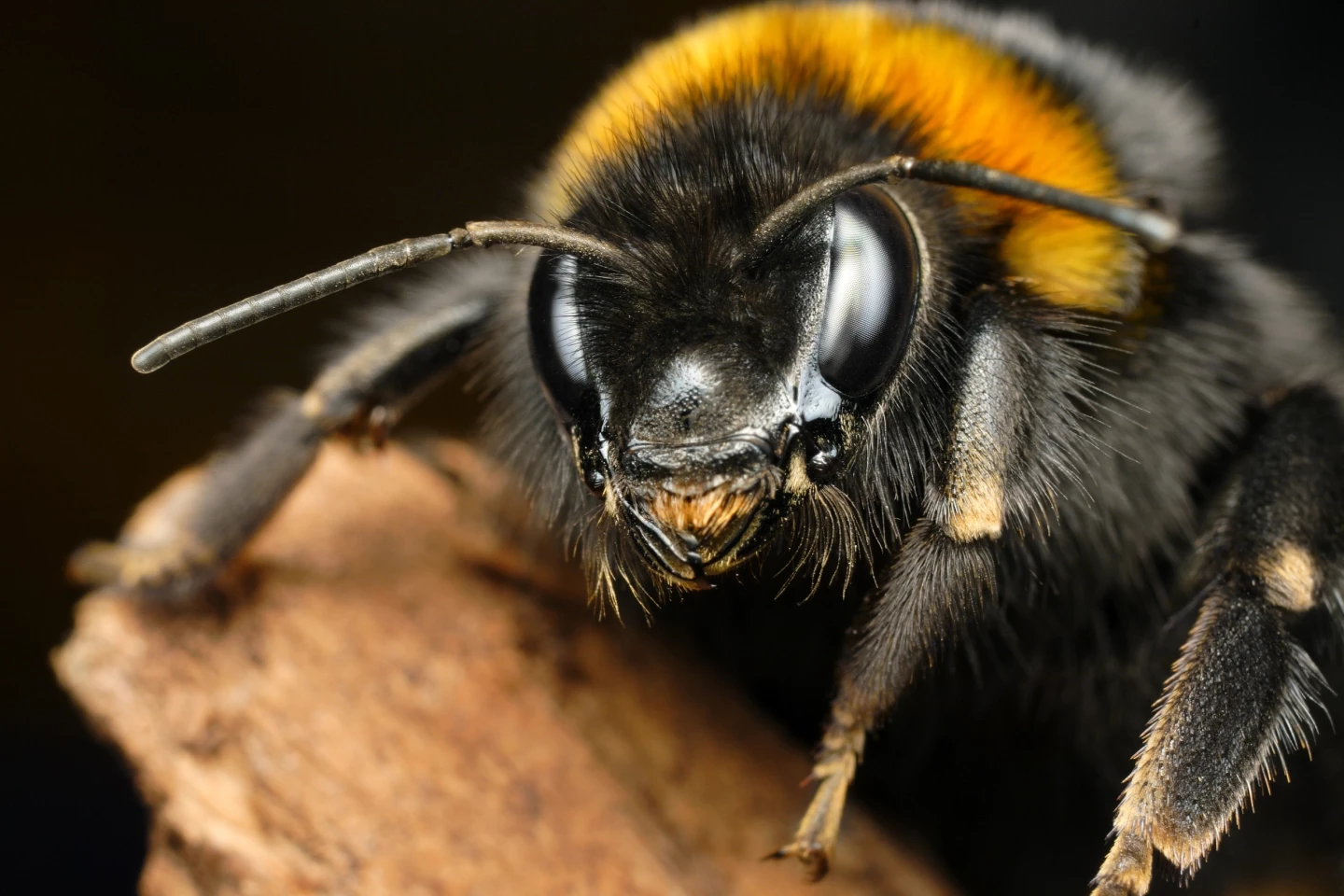
Bumblebees exhibit a surprising dimension of behavior that suggests a form of positivity influencing their interactions, according to a recent study conducted by researchers at Southern Medical University. The findings challenge the traditional perception of these insects as simple creatures and offer new insights into their social dynamics.
The study, which was published on March 1, 2024, reveals that bumblebees communicate in ways that can be likened to the spread of positivity among their colonies. Researchers observed that when a bumblebee encounters a rewarding flower, its positive experiences can influence the behavior of other bees nearby. This contagion of positivity appears to enhance foraging efficiency within the group.
Research Findings and Implications
The team at Southern Medical University conducted their research by observing bumblebee colonies in various environments. They discovered that bees that experienced a successful visit to a flower were more likely to return to the colony and communicate their findings through specific movements and pheromones. These signals not only conveyed information about food sources but also fostered a positive atmosphere among the bees.
According to the lead researcher, Dr. Li Wei, the findings indicate that bumblebee behavior is more complex than previously understood. “Bumblebees are not merely responding to their environment; they are actively shaping their social interactions based on positive experiences,” Dr. Wei stated. This revelation could have significant implications for understanding animal behavior and communication.
The study emphasizes the importance of social dynamics in bumblebee colonies, showing that when one bee finds a rich source of nectar, its enthusiasm can motivate others to explore similar areas. This collective behavior not only improves the efficacy of foraging but also strengthens the overall health of the colony.
Broader Impact on Ecology and Conservation
The insights from this research extend beyond the bumblebee population. Understanding the mechanisms of positivity in these insects can inform conservation efforts, especially as many bumblebee species face threats from habitat loss and climate change. By fostering environments that encourage positive interactions among bumblebees, conservationists may enhance their survival rates.
Additionally, the study contributes to a growing body of research aimed at understanding the social structures of insects. As scientists continue to explore the nuances of animal behavior, findings like these underscore the complexity and interconnectedness of ecological systems.
In summary, the research from Southern Medical University presents a fascinating look into the social lives of bumblebees, revealing that these insects are capable of communicating positivity in ways that impact their entire colony. As studies like this unfold, they challenge our perceptions of animal intelligence and the intricate behaviors that govern life in the natural world.