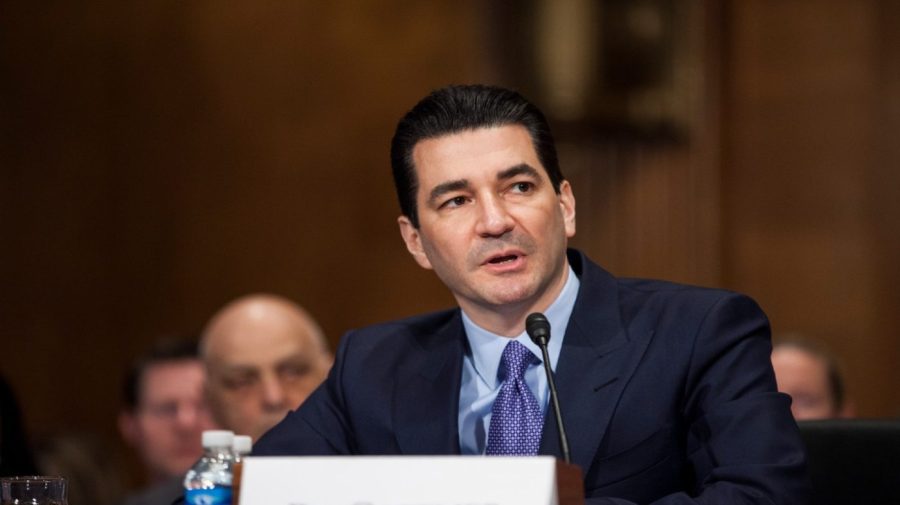
Former FDA Commissioner Scott Gottlieb has publicly refuted President Donald Trump’s claims regarding the transmission of hepatitis B. During an interview on CBS News’s “Face the Nation” on October 15, 2023, Gottlieb stated that Trump’s assertion that the disease is “mostly” transmitted through sexual contact or contaminated needles is “simply not true.”
Gottlieb’s comments come in response to remarks made by Trump earlier in the week. The president suggested that a significant portion of hepatitis B cases arises from sexual activity or the use of dirty needles. “That’s the problem. That’s simply not true,” Gottlieb emphasized during the segment hosted by Margaret Brennan.
According to health authorities, hepatitis B is primarily transmitted through contact with infectious body fluids, including blood, semen, and vaginal secretions. While sexual transmission is a recognized mode of spread, it is not the only route. The Centers for Disease Control and Prevention (CDC) categorizes other significant transmission pathways, such as from mother to child at birth and through sharing personal items like razors or toothbrushes that may have come into contact with infected blood.
Gottlieb, who served as the commissioner from 2017 to 2019, has been a vocal advocate for public health accuracy. He stressed the importance of understanding the diverse modes of transmission to combat misconceptions that could hinder prevention efforts. Addressing the public during the interview, he stated, “Public understanding of how diseases are spread is critical to effective prevention strategies.”
The former commissioner’s remarks underscore the ongoing challenges in addressing infectious diseases amid evolving public narratives. Misleading statements can contribute to stigma and misinformation, complicating efforts to promote vaccination and other preventative measures.
In addition to clarifying the transmission modes, Gottlieb called for continued education on hepatitis B, especially considering that the World Health Organization (WHO) estimates that approximately 296 million people worldwide are living with the virus. With such a significant global impact, understanding how hepatitis B spreads is crucial for effective public health responses.
As the conversation about hepatitis B continues, experts and authorities emphasize the need for accurate information to inform policy and healthcare practices, ensuring that the public receives reliable guidance regarding prevention and treatment options.