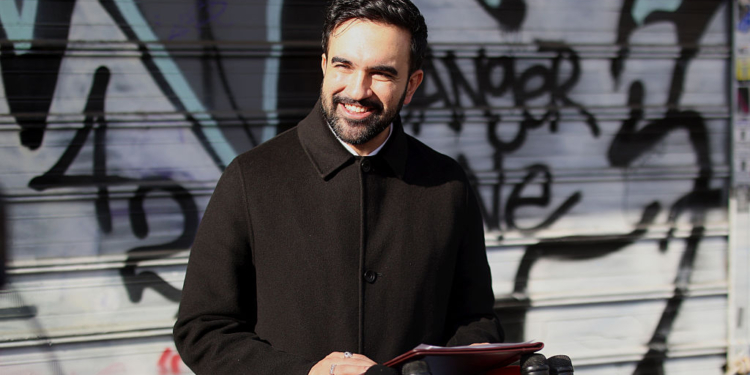
UPDATE: New York City’s incoming mayor, Zohran Mamdani, has made a controversial appointment that is already sparking heated debate. Just announced, Mamdani has selected community activist and former rapper Mysonne Linen to join his City Hall transition team, specifically focusing on public safety and criminal justice.
The decision, revealed through a November 26 Instagram post from Until Freedom, a social justice organization, has ignited widespread criticism. The post showcased Linen alongside fellow activists Tamika Mallory and Angelo Pinto, celebrating their roles in shaping Mamdani’s administration. “We are proud that Until Freedom leaders have been chosen to serve on Mayor-Elect Zohran Mamdani’s transition team,” the organization stated, emphasizing their commitment to “building something different.”
The backlash is centered around Linen’s criminal history. At 49 years old, the Bronx native and former Def Jam artist was convicted in 1999 for two felony robberies involving taxi drivers—one with a gun and another with a beer bottle. Prosecutors alleged his involvement in the 1997 robbery of cab driver Joseph Exiri and the 1998 holdup of Francisco Monsanto, both of whom testified against him. Despite his defense claiming he lacked motive due to a promising music career, Linen served seven years in prison before transitioning to advocacy work.
Until Freedom, where Linen has become a prominent figure, describes itself as “the definitive non-profit organization for community activism, education, and rapid response to tragedies resulting from injustice.” Linen actively promotes anti-violence campaigns and civic engagement through the organization.
Mamdani’s appointment of Linen has drawn immediate criticism, particularly from groups concerned about placing someone with a violent felony record in a role that influences the city’s policing policies. In a pointed statement, the organization Jews Fight Back remarked, “Mayor-elect Zohran Mamdani just appointed a convicted armed robber to help shape NYC’s crime and policing policy,” labeling the decision as “insane.”
Linen, undeterred by the backlash, reiterated his commitment to change on social media, stating, “We are building something different.” With Mamdani set to officially take office on January 1, 2026, this appointment will test the limits of public support for reimagining public safety in New York City.
As the situation develops, the implications of this decision raise critical questions about the balance between criminal justice reform and public safety. New Yorkers will be closely watching how Mamdani navigates these contentious waters in his forthcoming administration.