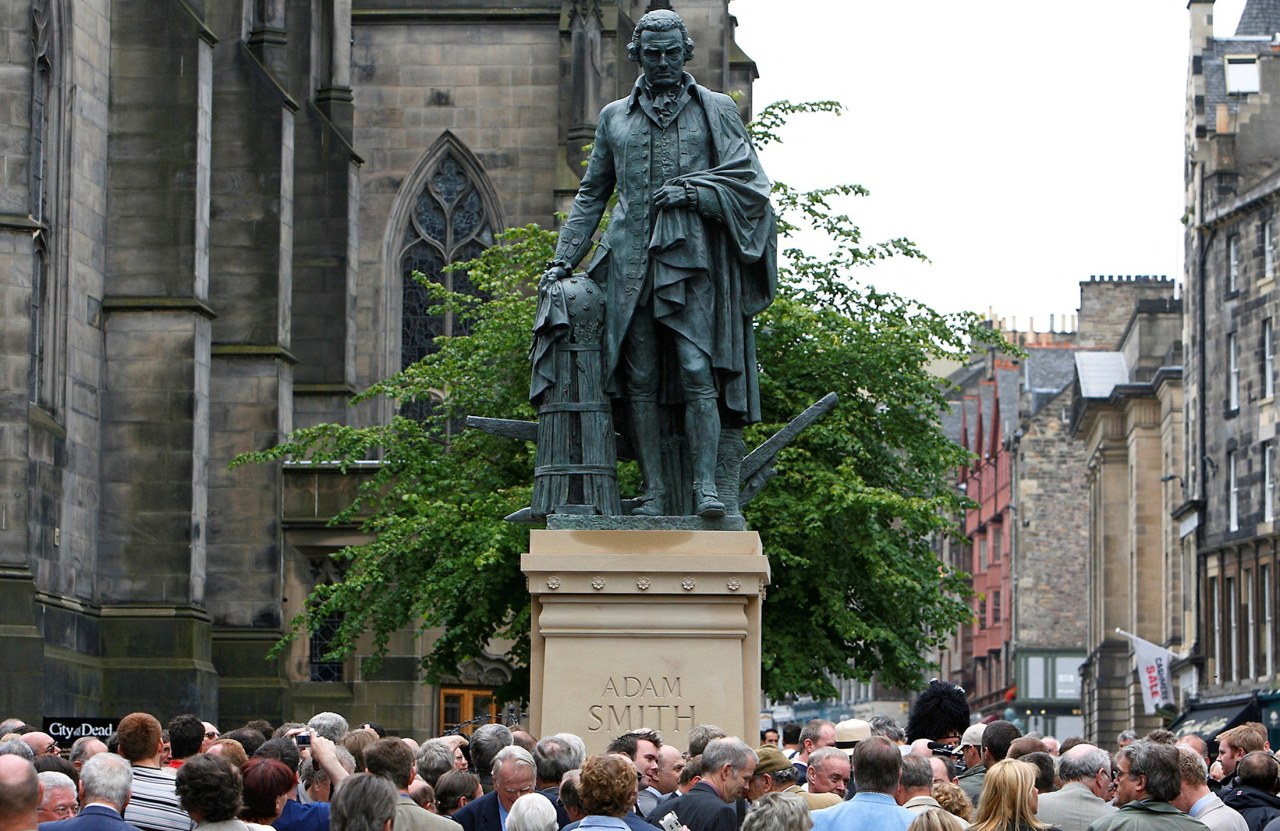
The notion of a new Scottish Enlightenment is gaining traction among intellectuals and commentators, particularly as discussions surrounding Scotland’s cultural and political identity intensify. In a recent exchange, prominent figures such as Fraser Nelson responded to critiques from Barton Swaim and Allan Massie, advocating for a renewed focus on Scotland’s rich heritage and its potential for future contributions to global discourse.
Historical Context and Modern Implications
The original Scottish Enlightenment, which flourished in the 18th century, produced influential thinkers like David Hume and Adam Smith. This period was marked by significant advancements in philosophy, economics, and the sciences, shaping not only Scotland but also the broader Western world. Nelson suggests that a modern resurgence could similarly impact contemporary thought and policy.
In his response, Nelson emphasized the importance of recognizing Scotland’s unique position within the United Kingdom and Europe. He argued that the dynamic interplay of ideas and cultural influences could inspire a new wave of innovation and creativity, akin to that of the 18th century. This call to action resonates amidst ongoing debates about Scotland’s governance and identity in the 21st century.
A Call for Intellectual Engagement
Nelson’s critique of Swaim and Massie’s views includes a reminder of the vital role intellectual engagement plays in shaping national identity. He posits that Scotland’s future depends on fostering a vibrant intellectual community that encourages dialogue and debate. This sentiment reflects a growing awareness among Scottish thinkers of their potential to influence global conversations.
The exchange highlights the necessity of building a framework for collaboration among various sectors, including academia, politics, and the arts. By leveraging Scotland’s historical legacy, advocates believe that contemporary thinkers can address pressing issues such as climate change, social justice, and economic inequality.
As these discussions evolve, the question remains: can Scotland harness its rich intellectual traditions to inspire a new era of enlightenment? The ongoing dialogue among leaders like Nelson, Swaim, and Massie offers a promising glimpse into the possibilities that lie ahead.
Ultimately, the vision of a new Scottish Enlightenment is not merely about revisiting the past but also about actively engaging with today’s challenges. With a renewed commitment to intellectualism and cultural discourse, Scotland may be poised to make significant contributions to the global stage once again.