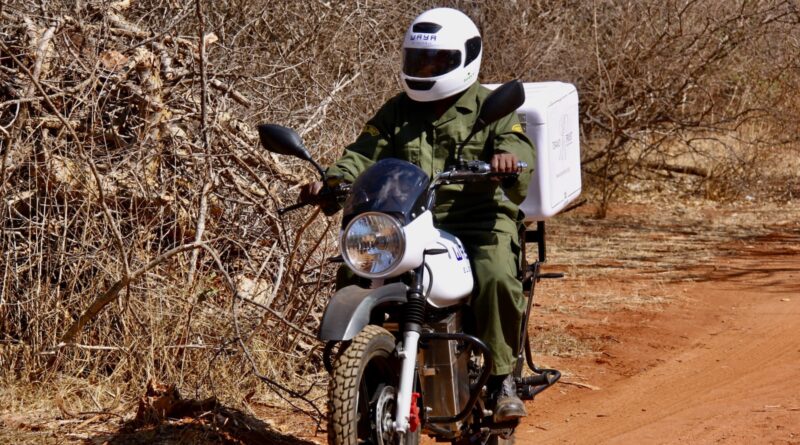
In a significant development for sustainable transport, Waya Electric is deploying its electric motorcycles within Kenya’s Tsavo Conservation Area. This initiative aims to address the unique challenges faced in remote environments while promoting eco-friendly mobility solutions. The Tsavo Conservation Area, covering over 21,000 km², represents one of Africa’s most vital wildlife conservation regions, making the introduction of electric motorcycles both timely and beneficial.
Waya Electric has emerged in the Kenyan market as an innovative player, focusing on the needs of local users. The company recognized a gap in performance-oriented electric motorcycle products, particularly for the motorcycle taxi sector, which includes over 2.5 million internal combustion engine (ICE) motorcycles in the country. Understanding the local landscape, Waya Electric conducted extensive research, identifying that many existing products were designed primarily for urban commuting and did not cater to the rugged demands of rural and off-road applications.
“Our engineering philosophy starts from the ground up: build for the toughest environments first, and let everything else follow,” stated Heiko Rehm, Chief Technology Officer of Waya Electric. This approach has informed the design of their motorcycles, ensuring that they are equipped to handle the severe conditions often found in Kenya’s rural regions.
The introduction of Waya’s electric motorcycles in the Tsavo Conservation Area serves multiple purposes. They are not only used for last-mile delivery, such as LPG supply, but also play a crucial role in wildlife conservation efforts. The quiet operation of electric motorcycles significantly reduces noise pollution, minimizing disturbances to wildlife and aiding conservation teams in their efforts.
In Tsavo, the motorcycles are tested against challenging terrains that include uneven ground and long-distance travel. “When a motorcycle can consistently perform in a conservancy, over uneven ground, long patrols, remote locations, and shifting terrain… it proves more than product reliability; it shows relevance,” Rehm added. This capability underscores the potential for electric mobility solutions to meet real community needs while supporting conservation initiatives.
Waya Electric’s model reflects a broader trend in the electrification of transportation across Africa. The conditions faced in conservation areas often mirror those in remote mining and agricultural sectors, where traditional fuel supply poses logistical challenges. By utilizing solar-powered charging stations, Waya Electric is poised to transform mobility in these hard-to-reach regions.
The implications of this shift are far-reaching. Electric motorcycles could become instrumental in enhancing agricultural productivity and improving access to essential services in rural communities. “This is what ‘built for Africa’ really means: engineering that reflects the continent’s realities, and technology that creates impact where it matters most,” Rehm concluded.
As Waya Electric continues its mission to promote e-mobility in Kenya, the success in the Tsavo Conservation Area could serve as a model for similar initiatives across the continent, paving the way for a more sustainable and efficient transportation landscape.