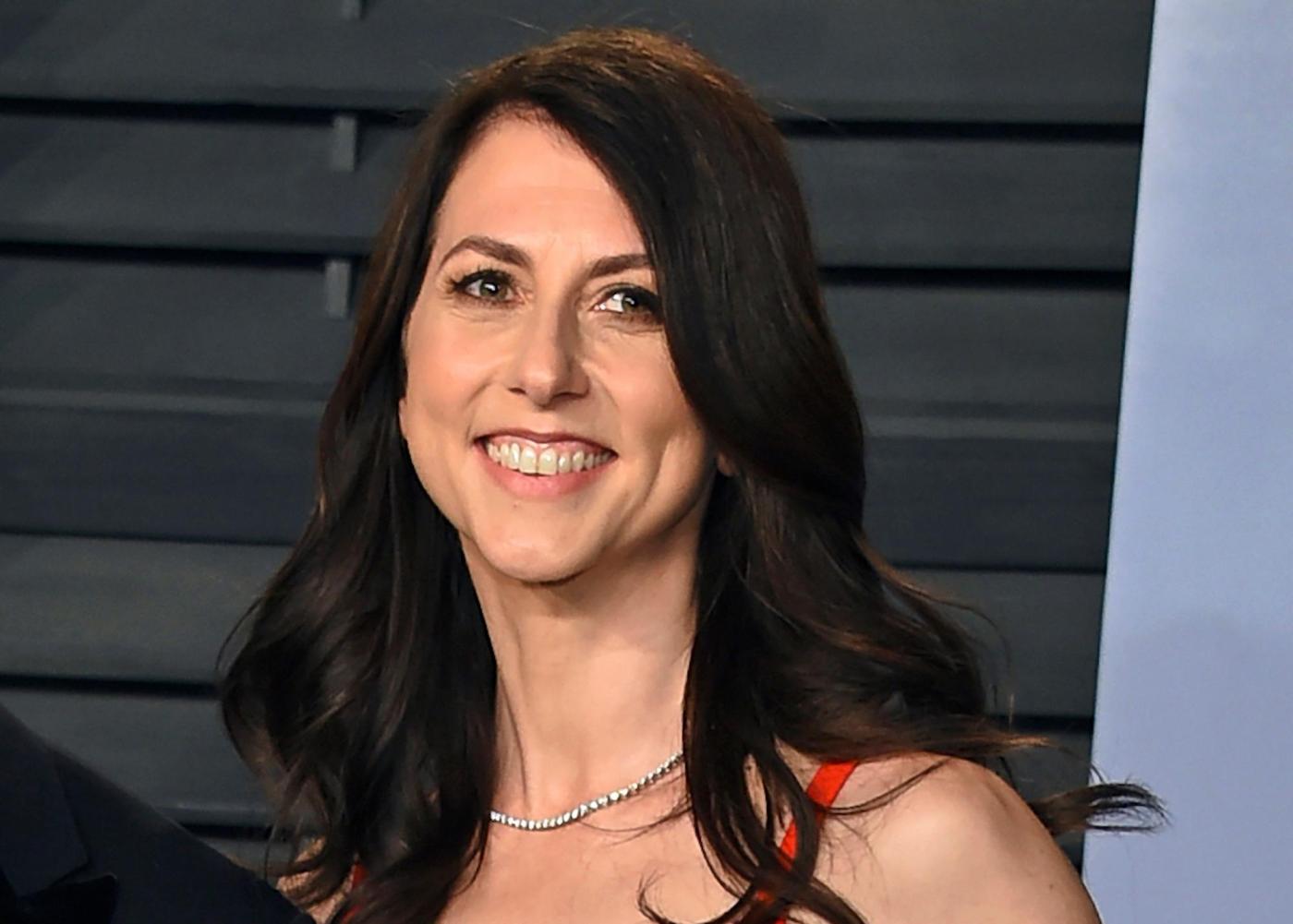
Philanthropist and author MacKenzie Scott announced donations totaling $7.1 billion to various nonprofit organizations in 2025, raising her total contributions since 2019 to $26.3 billion. Her latest giving highlights a focus on education and climate change initiatives, marking a significant shift in her philanthropic strategy.
Focus on Education and Climate Change
In her 2025 donations, Scott emphasized support for colleges and universities, particularly historically Black colleges and tribal institutions, alongside community colleges. This year’s contributions also included substantial gifts to organizations tackling climate change, with the largest donation of $90 million directed to the initiative Forests, People, Climate, which aims to combat tropical deforestation.
Scott began her philanthropic journey in 2019 following her divorce from Jeff Bezos, pledging to distribute the majority of her wealth. She has made her donations without requiring applications or progress reports, offering unrestricted funding that allows nonprofits the freedom to allocate resources as needed. This approach sets her apart from many traditional donors who often impose specific conditions on their contributions.
According to research by Panorama Global, Scott’s environmental donations represented only a small portion of her overall giving until 2025, where her focus on climate issues has notably intensified. Gabrielle Fitzgerald, founder and CEO of Panorama, noted, “What we’re now seeing is different years have different focus areas.” In 2024, less than 10% of her donations went to environmental causes, while in 2025, Scott’s philanthropic strategy aligns closely with pressing global challenges.
Significant Contributions to Minority Institutions
In addition to her climate-related donations, Scott allocated at least $783 million to historically Black colleges and universities (HBCUs) this year. This funding not only supports educational access but also reflects her commitment to institutions that demonstrate strong, consistent leadership within their communities. Marybeth Gasman, a professor at Rutgers University and HBCU expert, highlighted that Scott is particularly interested in institutions “rooted in community.”
Scott’s funding history reveals a pattern of reinvestment in organizations that have demonstrated effective community impact. For example, the nonprofit CAMFED, which focuses on girls’ education in African countries, has received multiple donations from Scott, including a record $60 million contribution in 2025.
The unrestricted nature of Scott’s donations allows recipient organizations to navigate challenges and innovate without the constraints of designated project funding. For instance, after funding cuts from the U.S. Agency for International Development, the nonprofit Village Enterprise utilized a grant from Scott to maintain essential programs aimed at alleviating poverty.
Moreover, her approach to philanthropy emphasizes humility and collaboration, as she often highlights the contributions of other stakeholders in her writings. Fitzgerald remarked, “She tries to not make her giving about herself,” contrasting her style with many other high-profile philanthropists.
Scott’s evolving philanthropic strategy signifies a shift toward addressing critical issues, particularly education and climate change. Her significant financial contributions not only exemplify a commitment to social equity but also illustrate the potential impact of unrestricted funding in fostering sustainable community development.