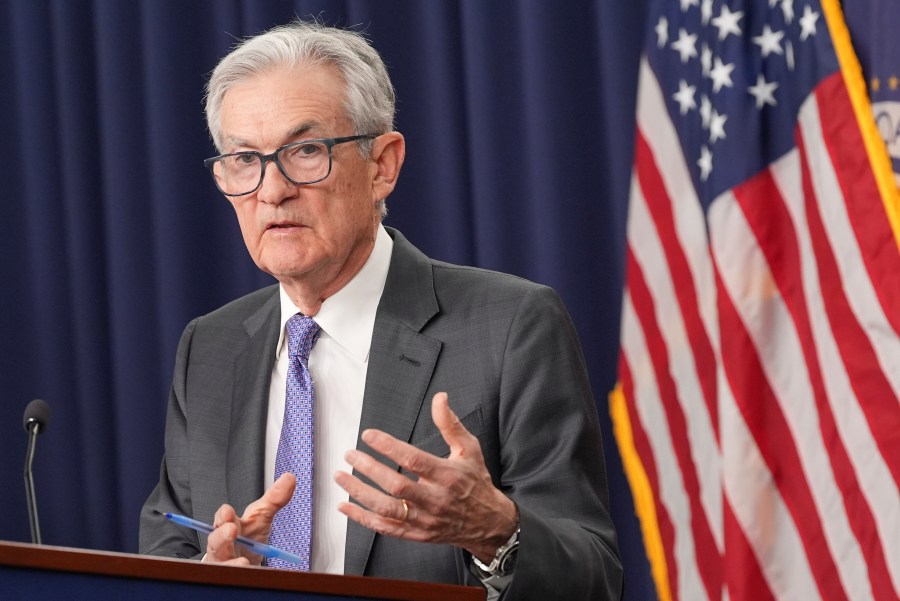
The Federal Reserve has reduced its benchmark interest rate by a quarter point, marking the third such cut since September 2023. This move lowers the key rate to approximately 3.6%, a level not seen in nearly three years. Prior to these adjustments, the Fed had maintained the rate steady for nine months, highlighting a significant shift in monetary policy aimed at stimulating economic growth.
The decision, announced on September 20, 2023, comes as the economy shows signs of both resilience and vulnerability. With inflation rates easing and economic activity fluctuating, the Fed seeks to balance these factors while supporting continued growth. The decrease in rates is designed to make borrowing cheaper, thereby encouraging spending and investment across various sectors.
Implications for Borrowers and Savers
For consumers, the rate cut could lead to lower interest rates on loans, including mortgages and personal loans. This change may facilitate home purchases and refinancing opportunities, providing relief to those previously deterred by higher costs. As rates decrease, borrowers can expect more favorable terms, enhancing affordability in an environment where housing prices have remained elevated.
Conversely, savers may find that lower rates mean reduced returns on savings accounts and fixed-income investments. As banks adjust their offerings in response to the Fed’s actions, interest rates on savings products are likely to decline, which could impact those relying on interest income. Many savers may need to reconsider their investment strategies to maintain growth.
Market Reactions and Future Outlook
Financial markets responded positively to the announcement, reflecting investor confidence in the Fed’s proactive measures. Stocks surged following the news, as investors anticipate increased consumer spending and a potential boost to corporate profits. Analysts suggest that the Fed’s ongoing adjustments indicate a commitment to fostering economic expansion, while remaining cautious about inflationary pressures.
Looking ahead, the Fed remains vigilant in monitoring economic indicators. Central bank officials have emphasized that future rate decisions will depend heavily on data related to employment, inflation, and global economic conditions. By prioritizing flexibility, the Fed aims to navigate the complexities of the current economic landscape.
The impact of this latest rate cut will be felt across various sectors. As banks adjust their lending and savings rates, both consumers and businesses will need to adapt to the new financial environment. The Fed’s actions serve as a reminder of the interconnectedness of monetary policy and everyday economic realities.