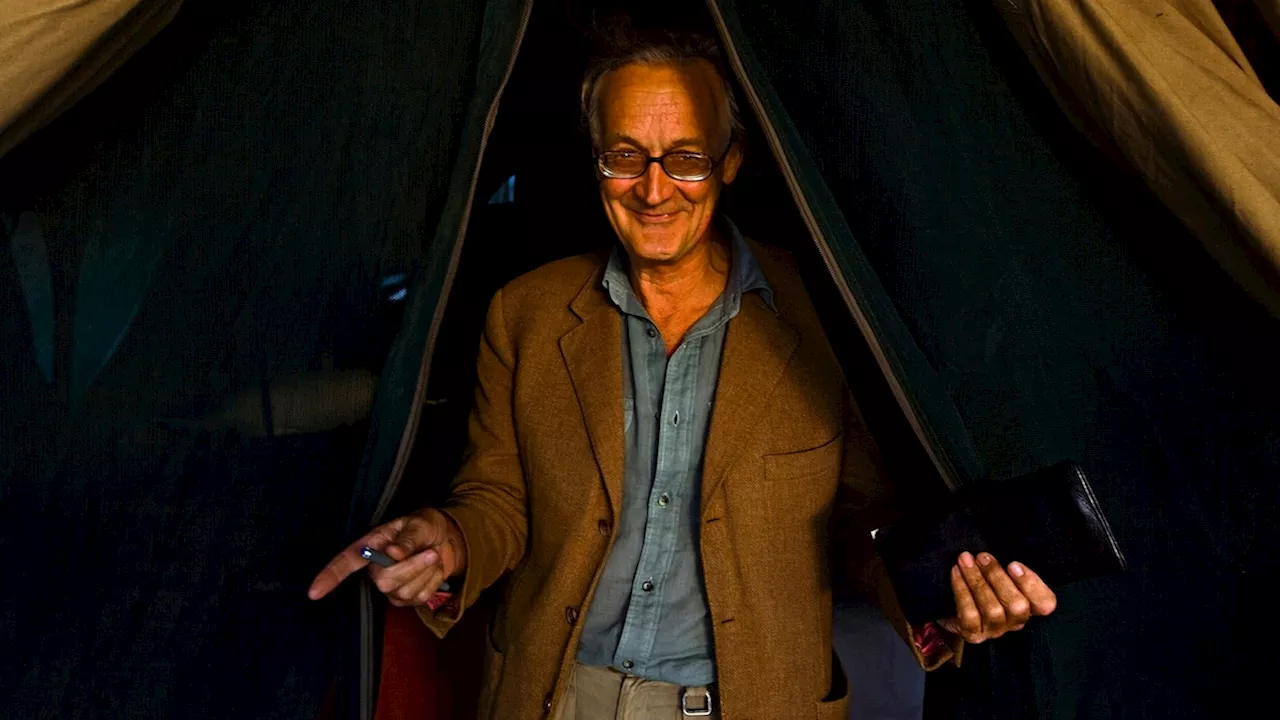
UPDATE: The conservation community is mourning the loss of Iain Douglas-Hamilton, the legendary zoologist who dedicated his life to saving Africa’s elephants. His groundbreaking work has profoundly impacted the survival of over 5,400 elephants in the Samburu-Laikipia ecosystem of Kenya.
Douglas-Hamilton, who passed away recently, was a pioneer in elephant research, having begun his efforts in the late 1970s amid a devastating poaching crisis that saw elephant populations plummet. He was instrumental in the fight against ivory trafficking, highlighting the urgent need for conservation measures that ultimately led to the 1989 ban on international ivory trade under the Convention on International Trade in Endangered Species.
His organization, Save the Elephants, has employed innovative technologies like GPS tracking to monitor elephant movements, revealing critical travel corridors essential for their survival. Currently, the project tracks around 20 elephants using advanced collars that send hourly location updates via SMS through Kenya’s mobile network, ensuring real-time insights into their behaviors and threats.
Douglas-Hamilton’s methodology allowed him to witness the complexities of elephant social structures firsthand. He famously named individual elephants and studied their interactions, deeply understanding their needs for sex, sustenance, and security. His unique approach emphasized the importance of close observation over merely counting populations, as he believed knowing individual elephants could lead to better conservation decisions.
His legacy is particularly poignant as conflicts between elephants and humans continue to rise due to Kenya’s growing population and agricultural pressures. As officials report, the delicate balance of coexistence is increasingly threatened, making Douglas-Hamilton’s work more critical than ever. His efforts to mentor young researchers have also laid a foundation for future generations to continue advocating for these majestic creatures.
In a tragic turn of events, just weeks after Douglas-Hamilton’s death, it was reported that Anne, a young elephant he had closely monitored, was found dead. Authorities suspect she was killed for her tusks, underscoring the ongoing perils elephants face.
The conservation community now faces a pressing challenge: to honor Douglas-Hamilton’s legacy by implementing effective strategies to protect elephants while addressing human-wildlife conflict. His life’s work serves as a reminder that the fight for wildlife conservation is far from over.
As we remember Iain Douglas-Hamilton, the question remains: What will be done to ensure the survival of Africa’s elephants in a world where their existence hangs by a thread? The urgent need for action is clear, and those who carry on his mission must act swiftly.
Stay tuned for more updates on conservation efforts inspired by Douglas-Hamilton’s groundbreaking work and the ongoing struggle to secure a future for Africa’s elephants.