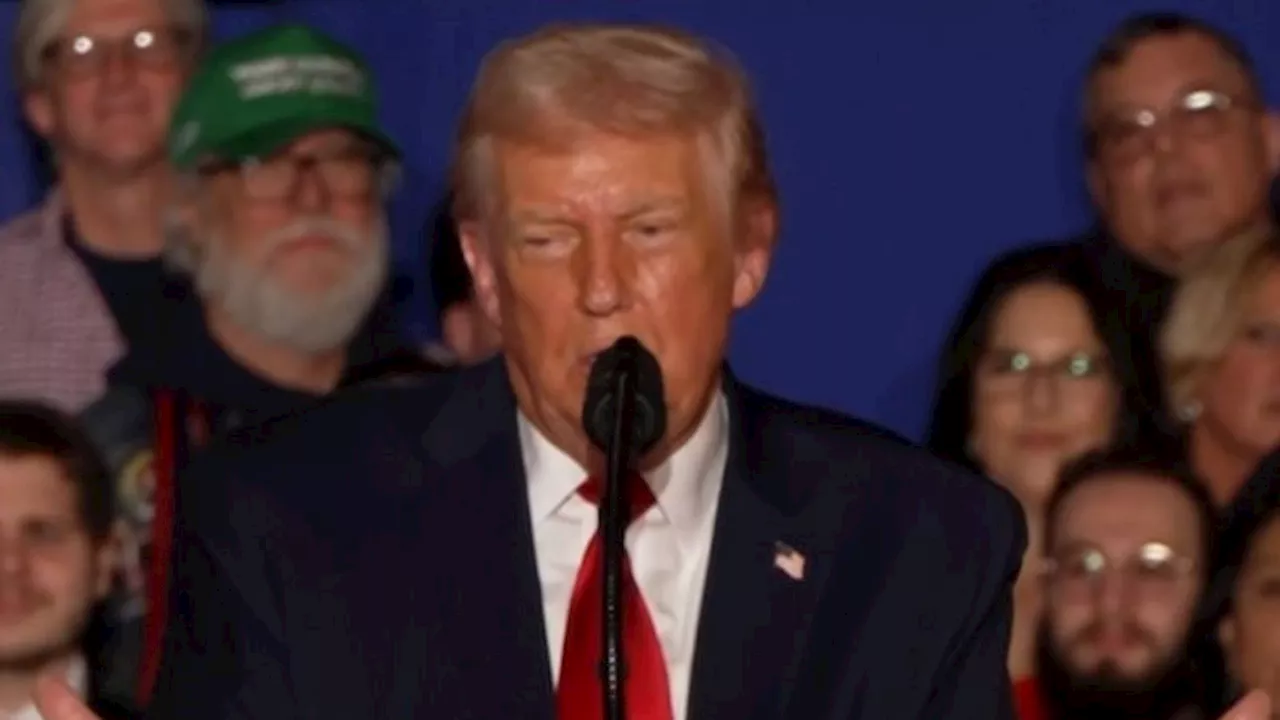
President Donald Trump has publicly confirmed that he used derogatory language to describe certain African nations during a private meeting with lawmakers in 2018. Speaking at a rally in Pennsylvania on Tuesday, Trump referred to these nations as “shithole countries,” a phrase he previously denied using when it was first reported.
During the rally, Trump reiterated his negative views on Somalia, labeling it as “filthy, dirty, disgusting, ridden with crime.” His comments have reignited discussions about his attitudes towards immigration and the African continent, which have drawn significant criticism in the past.
In response to Trump’s remarks, Representative Ilhan Omar expressed her disapproval, stating that such language perpetuates harmful stereotypes. Omar, who has often been at the center of political discourse related to immigration, emphasized the need for a more compassionate view of immigrant communities, particularly those from Africa.
The rally also featured Trump discussing his economic policies, which he claims will reduce inflation and improve the economic landscape for Americans. He criticized Democrats for rising prices, while attempting to present a new economic message. Despite this, Trump veered off script, often resorting to personal attacks and unrelated anecdotes.
In a separate incident, federal agents deployed pepper spray to disperse a crowd of protesters in a heavily Somali neighborhood in Minnesota. This action follows the Trump administration’s increased enforcement operations targeting the Somali community. According to officials from the Immigration and Customs Enforcement (ICE), no arrests were made during the operation, but they did not provide further details.
On another front, the Senate is preparing to vote on legislation aimed at addressing rising healthcare costs. Majority Leader John Thune announced that a vote will take place on a Republican-led alternative to the Democrats’ proposed three-year extension of enhanced tax credits from the Affordable Care Act. However, neither proposal is expected to receive the 60 votes needed to pass.
The political landscape is further complicated by Trump’s admission regarding his past comments. This acknowledgment is likely to influence voter sentiment as he campaigns for the upcoming 2024 elections. The implications of his remarks could resonate not only within the African community but also among broader constituencies concerned with racial and ethnic relations in the United States.
Additionally, as Trump continues to navigate through a crowded political arena, his rhetoric remains a focal point for discussions on immigration reform and racial equality. The public’s reaction to his statements will be closely monitored as the election approaches, shaping the narrative around his campaign and policies.
As the political climate evolves, citizens and lawmakers alike will be watching closely to see how these events unfold, particularly in relation to immigration policy and community relations across the nation.