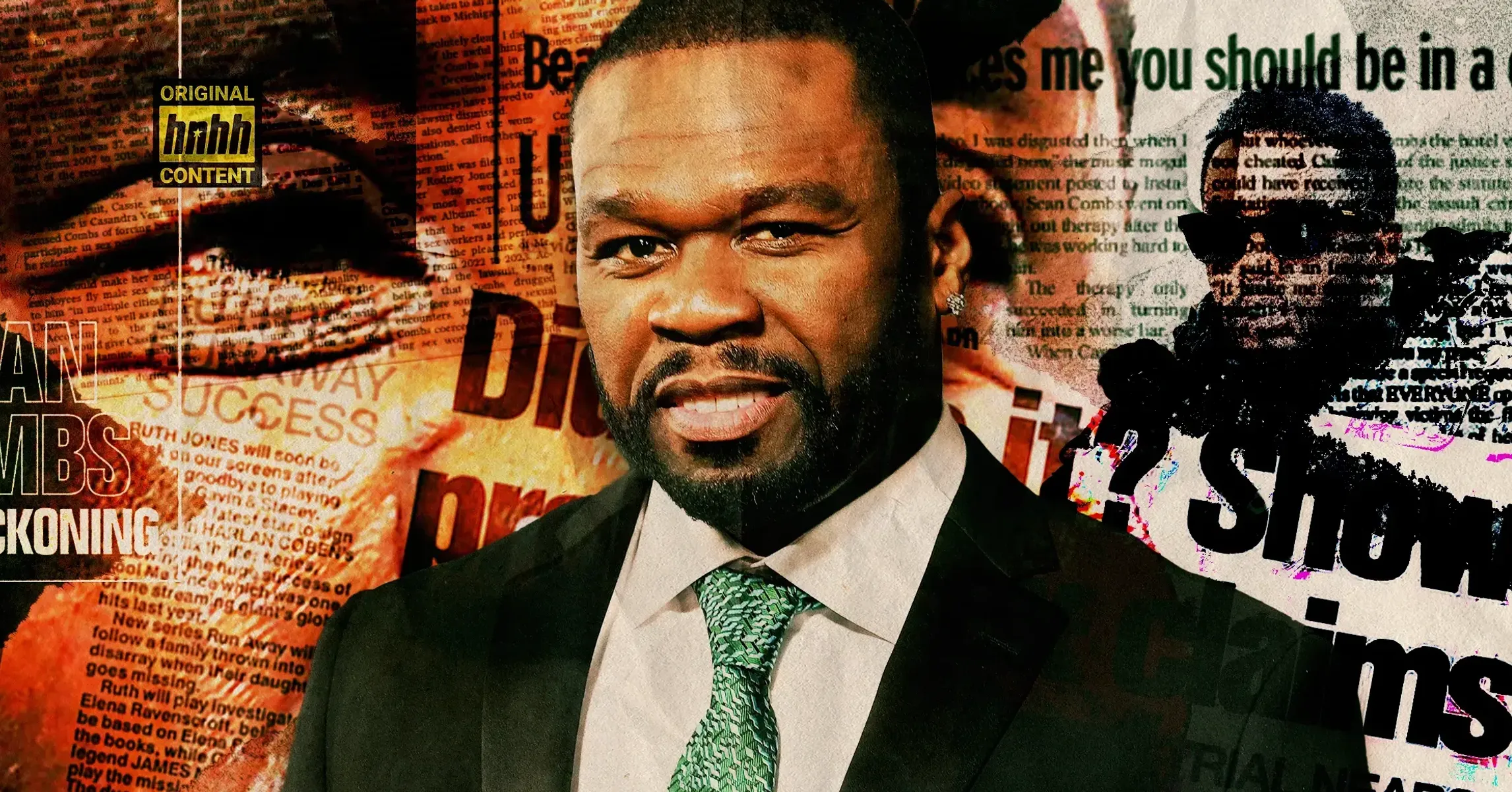
The release of the documentary *The Reckoning*, which explores the rise and fall of Sean “Diddy” Combs, has reignited scrutiny of Curtis “50 Cent” Jackson. As the executive producer of the Netflix project, Jackson aimed to shed light on Diddy’s alleged abuses of power. However, his involvement has led to renewed attention on Jackson’s own history of abuse allegations, prompting discussions about the complexities of accountability in the entertainment industry.
While *The Reckoning* focuses on Diddy, the narrative around Jackson has become increasingly complicated. Social media conversations have resurfaced Jackson’s past allegations, including charges of physical assault, domestic violence, and rape. Some cases have been dismissed, others settled, and at least one remains active. In a striking contradiction, Jackson has positioned himself as a critic of Diddy while facing accusations that echo similar themes of abuse.
Public interest in Jackson’s history intensified following a statement from model and actress Daphne Joy, who accused him of raping and physically abusing her during their relationship. Joy previously reported in 2013 that Jackson had broken into her home and vandalized her property. She later accepted a plea deal in which Jackson pleaded no contest to a vandalism charge and received probation, community service, and counseling.
In March 2024, amid ongoing discussions about Diddy, Joy took to Instagram to voice her grievances against Jackson. “Let’s put the real focus on your true evil actions of raping me and physically abusing me,” she stated, directly addressing him. Jackson responded by filing a defamation lawsuit against Joy, which he later dismissed.
Subsequently, in early 2025, a civil lawsuit was filed by Guadalupe de los Santos, who alleged that Jackson’s SUV struck him while he was riding a scooter. This case was settled shortly before the premiere of *The Reckoning*. De los Santos claimed that an occupant of Jackson’s vehicle intentionally opened the door to hit him.
The legal challenges for Jackson continued when a woman named Jahaira Rodriguez filed a lawsuit claiming physical assault, sexual, and emotional abuse. This lawsuit is particularly noteworthy as it surfaced years after Jackson’s bankruptcy filing in 2015, which discharged his debts in 2017. In August 2025, a judge decided to reopen his bankruptcy case, indicating that the allegations against him warranted further examination.
As these stories resurface, the conversation around the documentary has shifted from solely focusing on Diddy to examining the implications of Jackson’s role as a moral authority in the narrative. Critics are questioning the validity of Jackson’s stance when his own past remains fraught with allegations and unresolved matters.
The impact of *The Reckoning* extends beyond the stories of Diddy and Jackson. It highlights a broader discussion about the accountability of public figures and the complexities of their pasts. Jackson’s involvement in the documentary raises questions about the ethics of confronting another’s alleged abuses while carrying the weight of similar accusations.
The scrutiny surrounding both men reflects a growing awareness of the need for accountability in the entertainment industry. As conversations around abuse and power dynamics continue, the public is left to grapple with the contradictions present in the narratives of influential figures like Jackson and Diddy. The documentary may have been an attempt to expose one man’s alleged wrongdoings, but it simultaneously reopened wounds related to another, emphasizing that the discourse on abuse is far from over.