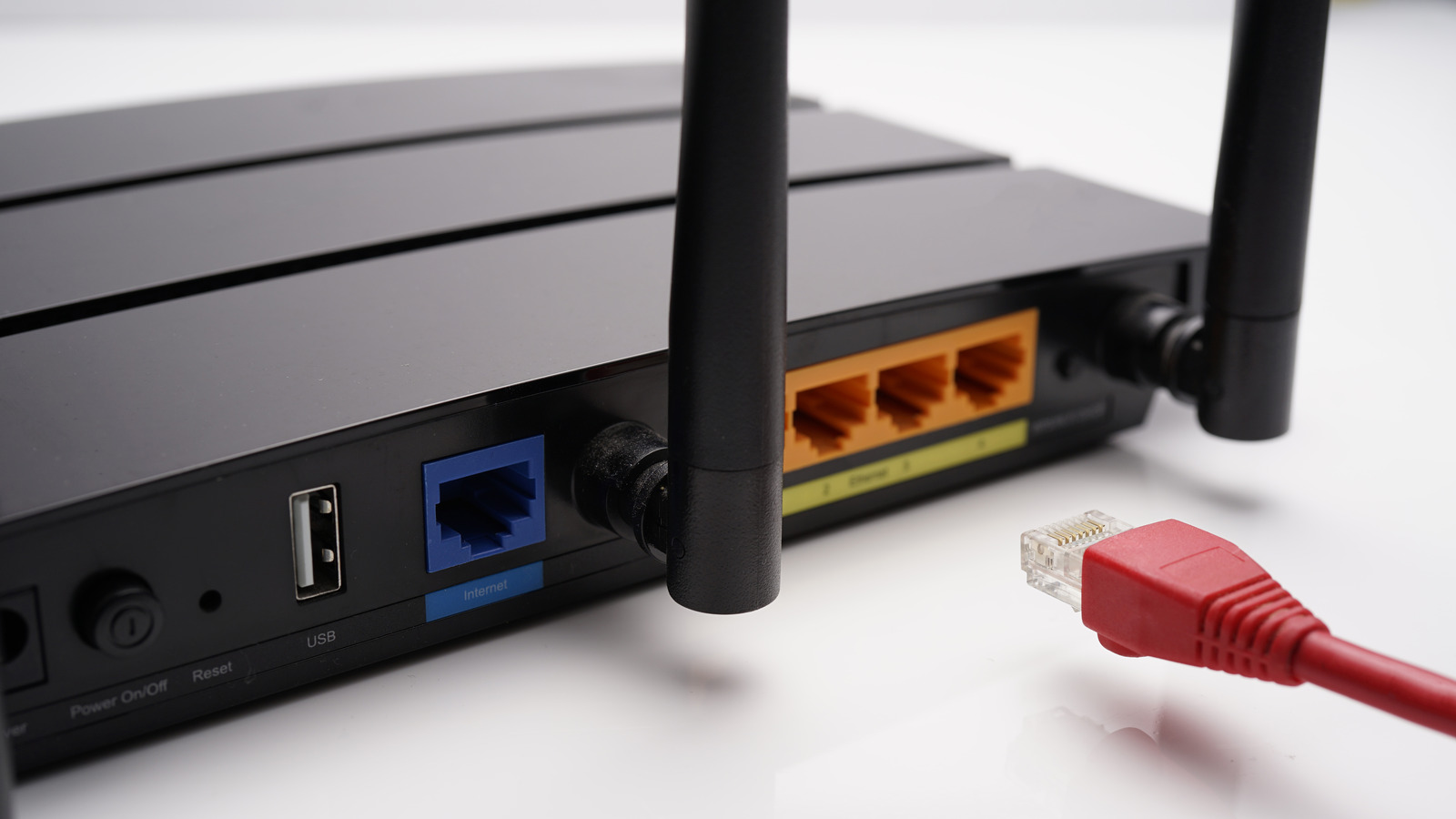
URGENT UPDATE: Recent findings reveal that the once-reliable 2.4 GHz router is now considered outdated for modern households. With 80% of U.S. households relying on home network routers, the limitations of these older devices are becoming increasingly apparent in a world dominated by high-demand connectivity.
As technology rapidly advances, consumers are left questioning the performance of their aging routers. The 2.4 GHz Wi-Fi band, which became mainstream with the introduction of the 802.11b standard in 1999, offers maximum speeds of only 100 Mbps. This pales in comparison to the 5 GHz routers, which can reach speeds up to 1 Gbps, and the latest 6 GHz Wi-Fi 7 band, boasting speeds of 2 Gbps.
The struggle is real for households with multiple devices streaming, gaming, and working from home. The congested 2.4 GHz spectrum is often overcrowded with interference from everyday devices like baby monitors, security cameras, and even microwave ovens. This congestion significantly hampers performance, especially in multi-unit dwellings where signals easily penetrate walls.
Despite its shortcomings, the 2.4 GHz router still holds some advantages, such as better coverage and the ability to penetrate obstacles. However, it is crucial for users to consider upgrading to more advanced options. Experts recommend investing in a dual-band router, like the TP-Link Archer GE230, which allows for both legacy device connections and modern high-speed demands.
Before tossing that old router, there are ways to repurpose it effectively. While it can’t be the primary hub for a busy network, it can still serve as a dedicated lane for less data-intensive Internet of Things (IoT) devices, such as smart plugs, thermostats, and garage door openers. Additionally, users could leverage the 2.4 GHz router as a Wi-Fi extender to eliminate dead spots in their homes.
However, expecting a 2.4 GHz router to handle streaming video, remote work, and gaming is unrealistic. The solution lies in creating a hybrid setup: a modern dual- or tri-band router can manage the heavy lifting, while the older router can support lower-bandwidth needs.
In a world where connectivity is crucial, understanding the limitations of older technology is essential. Users are urged to evaluate their home networks and consider upgrades to ensure seamless connectivity. Don’t get left behind in the fast-paced digital age; upgrade your router today for a more efficient and reliable internet experience.
Stay tuned for more updates on technology and connectivity trends impacting your daily life.