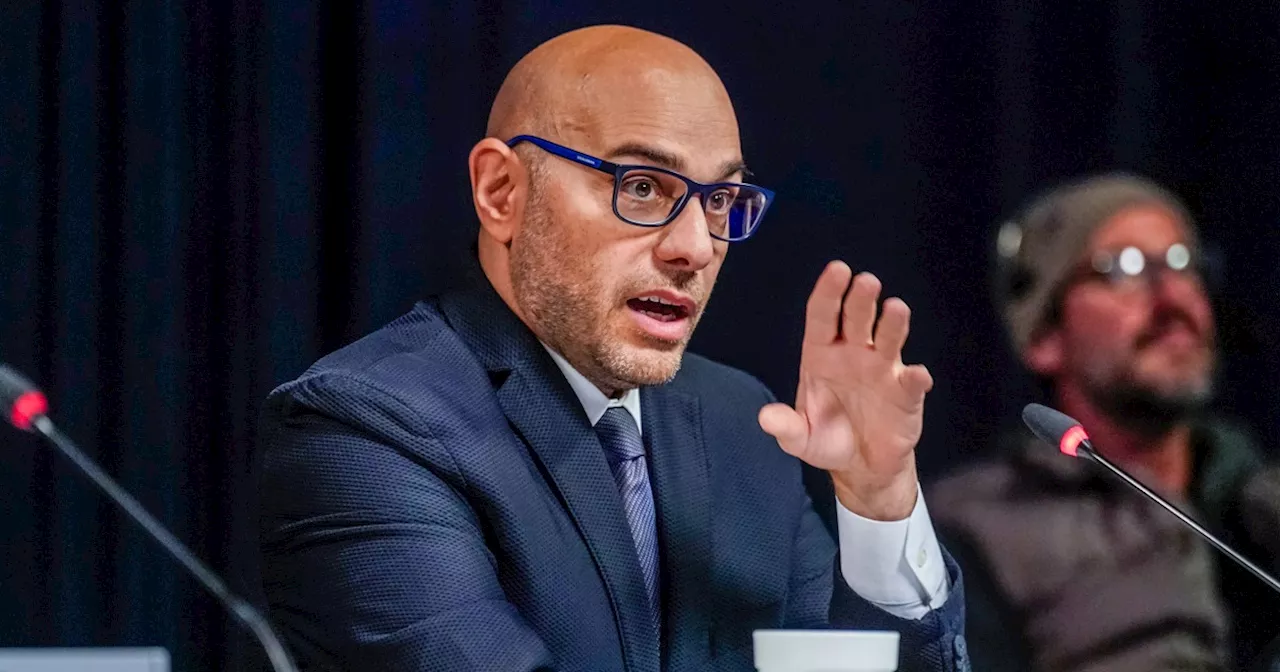
A recent comprehensive study has raised significant concerns about the safety and effectiveness of medical cannabis, concluding that many of its purported benefits may be overstated. The findings, led by Dr. Michael Hsu, an addiction psychiatrist at UCLA, indicate “insufficient evidence” to support the use of medical cannabis for various conditions, while highlighting serious risks that could outweigh its potential advantages.
As medical cannabis becomes increasingly accepted—now legal in 40 states and Washington, D.C.—more Americans are turning to it for relief from chronic pain, anxiety, and other health issues. A staggering 90% of U.S. adults support its use when prescribed by a healthcare provider. Despite this widespread enthusiasm, Dr. Hsu emphasizes the need for honest discussions regarding the scientific understanding of medical cannabis. “Patients deserve honest conversations about what the science does and doesn’t tell us about medical cannabis,” he stated.
Key Findings from the Study
The research reviewed over 2,500 scientific papers published between January 2010 and September 2025. It compared the efficacy of medical cannabis available at dispensaries with FDA-approved pharmaceutical-grade cannabinoids, including products containing THC and CBD. While these approved medications proved effective for specific conditions like chemotherapy-induced nausea and certain severe seizure disorders, the evidence supporting medical cannabis for common ailments was lacking.
For instance, despite over half of users seeking relief for acute pain, the review found no substantial clinical proof that medical cannabis provides effective pain management. Current treatment guidelines do not endorse cannabis-based therapies as a first-line option for pain relief. Furthermore, studies on its application for conditions like insomnia, anxiety, PTSD, and rheumatoid arthritis yielded weak or inconclusive results.
Risks Associated with Medical Cannabis
The research also highlighted alarming risks associated with medical cannabis use. Long-term studies indicate that adolescents consuming high-potency cannabis face a significantly higher incidence of psychotic symptoms, with 12.4% affected compared to 7.1% of those using lower-potency products. Additionally, those adolescents are more likely to develop generalized anxiety disorder, with 19.1% experiencing it versus 11.6% among their peers using less potent cannabis.
The study found that approximately 29% of medical cannabis users meet the criteria for cannabis use disorder, a condition characterized by a compulsive urge to use cannabis and withdrawal symptoms upon cessation. This disorder is particularly prevalent among individuals who begin cannabis use before age 18, who are four to seven times more likely to develop dependence compared to adults.
Moreover, daily use of medical cannabis—especially high-potency or inhaled forms—was linked to increased cardiovascular risks, including higher chances of heart attack, stroke, and coronary artery disease. In light of these findings, Dr. Hsu and his colleagues recommend that healthcare providers screen patients for cardiovascular disease and psychotic disorders before prescribing THC-containing products. They stress the importance of weighing potential harms against benefits.
“Clear guidance from clinicians is essential to support safe, evidence-based decision-making when discussing medical cannabis with their patients,” Dr. Hsu noted.
While the study presented valuable insights, the authors acknowledged limitations, including the absence of a systematic review and formal bias assessment. The diversity of research designs and cannabis products tested means findings may not be universally applicable.
Dr. Hsu called for further research to clarify the potential benefits and risks of medical cannabis, stating, “By supporting more rigorous studies, we can provide clearer guidance and improve clinical care for patients.”
As speculation grows surrounding potential changes to cannabis classification under federal law, news outlets have reported that President Trump may consider reclassifying cannabis from Schedule I to Schedule III. This change would acknowledge cannabis as less dangerous and more acceptable for medical use, a significant shift in the regulatory landscape. In anticipation of this, cannabis stocks surged, reflecting investor optimism regarding potential regulatory changes.
The study serves as a crucial reminder of the need for ongoing research and careful consideration when discussing the use of medical cannabis in clinical practice.