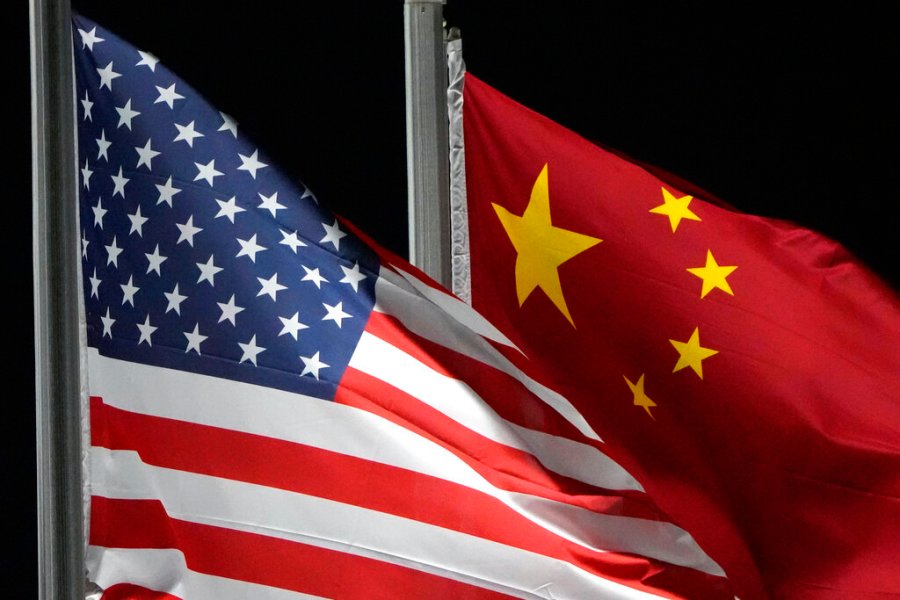
The United States’ strategy of decoupling from China is not yielding the intended results, causing significant financial setbacks for American businesses and fostering greater technological independence in China. This policy, aimed at reducing reliance on Chinese technology, is creating confusion among U.S. allies and undermining the competitive edge of American firms.
The U.S. government, particularly through the U.S. Department of Commerce, has implemented various measures to limit technology transfers and investments in China. Despite these efforts, recent data suggests that the approach is backfiring. According to a report released in September 2023 by the European Union Chamber of Commerce in China, American companies operating in China have reported a 30% decline in profitability, attributing this drop to the escalating tensions and restrictive policies.
Financial Consequences for American Businesses
Many American firms are reevaluating their operations in China due to the shifting political landscape. Companies that once thrived in the Chinese market are now facing increased operational costs and regulatory hurdles. For instance, Apple and Intel have both indicated that their supply chains are suffering from the fallout of U.S. decoupling policies. The uncertainty has affected their ability to compete effectively, leading to a reassessment of their future strategies in the region.
In addition to the direct financial impact, American businesses are grappling with reputational damage. The perception of instability in U.S.-China relations is leading to hesitation from potential investors, further exacerbating the situation. A survey conducted by the American Chamber of Commerce in China found that 70% of its members expressed concerns about the long-term viability of their operations in the country.
China’s Accelerating Technological Independence
While American businesses struggle, China is making swift strides towards self-sufficiency in technology. The Chinese government has ramped up investments in domestic innovation, targeting sectors such as artificial intelligence and semiconductor manufacturing. Recent reports indicate that China’s investment in research and development reached a staggering ¥2 trillion (approximately $280 billion) in 2023, reflecting an unwavering commitment to reducing reliance on foreign technology.
Moreover, Chinese firms are increasingly closing the gap with their American counterparts. For example, companies like Huawei and Alibaba are rapidly advancing in sectors previously dominated by U.S. firms. This shift poses significant challenges to U.S. technological leadership, as China’s burgeoning capabilities threaten to outpace American innovations.
The U.S.’s strategic decoupling, aimed at containing China’s rise, is inadvertently accelerating its technological development. With funding and resources flowing into domestic industries, the gap between the two nations is likely to widen unless a more collaborative approach is adopted.
In summary, the current U.S. policy of decoupling from China is proving ineffective and costly. American businesses are bearing the brunt of a strategy that has not only confused allies but also spurred China’s quest for technological independence. As the landscape continues to evolve, it remains crucial for U.S. policymakers to reassess their approach to avoid further detrimental impacts on American innovation and global competitiveness.