The European Union has imposed sanctions on two prominent traders in the Russian oil market, a significant action aimed at disrupting financial networks supporting Moscow’s military operations in Ukraine. This decision, announced on December 5, 2023, highlights the ongoing efforts by the EU to apply economic pressure on Russia following its invasion of Ukraine.
The sanctioned individuals, identified as Igor Sechin and Vladimir Bogdanov, are influential figures in the Russian oil trade. The EU alleges that their operations have facilitated the flow of funds to the Kremlin, effectively contributing to the war effort. The sanctions include asset freezes and travel bans, marking a concerted effort by European authorities to curb Russia’s capacity to finance its military activities.
Impact on the Oil Trade
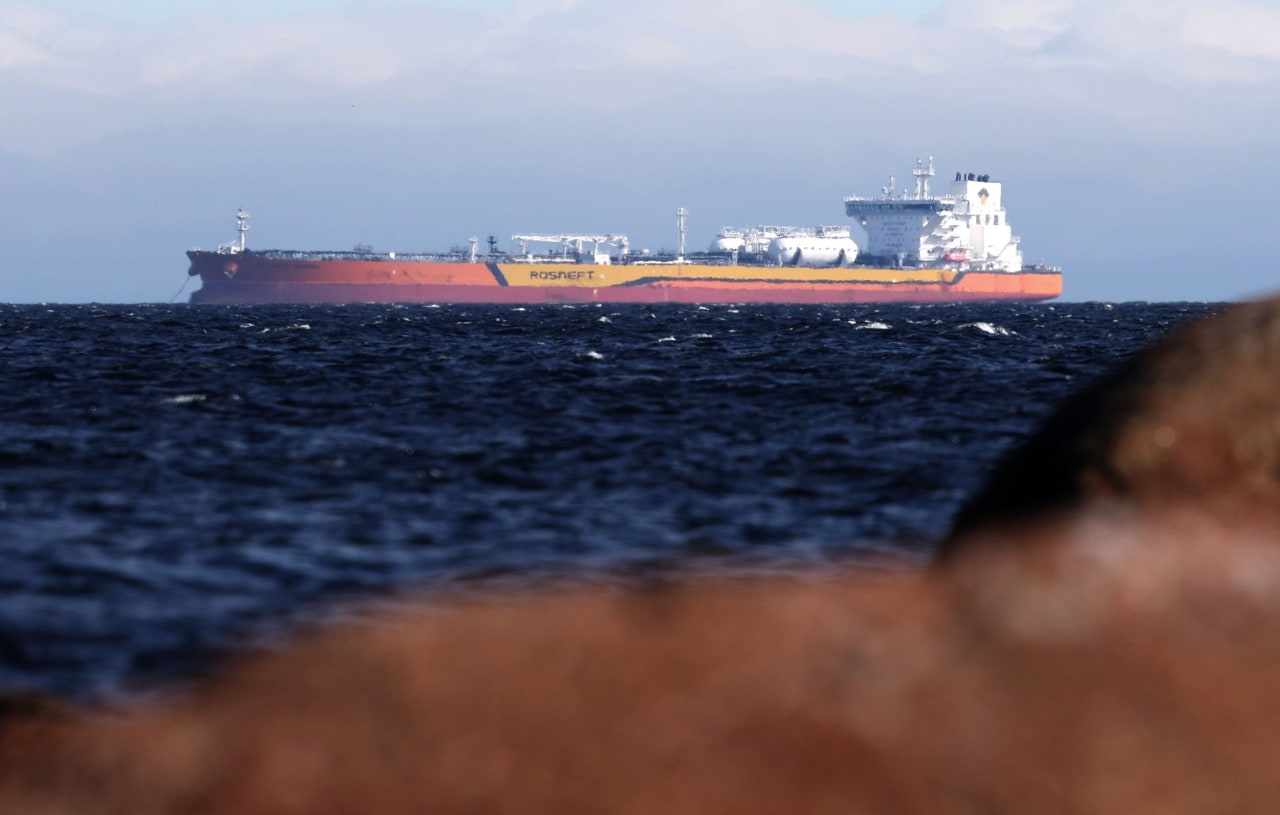
The sanctions are expected to have a substantial effect on the Russian oil industry, which has been a critical revenue source for the government. According to the EU, the oil trade has generated billions for Moscow, enabling the financing of its military campaigns. In 2022 alone, Russian oil exports accounted for approximately $80 billion, underscoring the significance of this sector to the national economy.
European officials have noted that the sanctions specifically target entities involved in clandestine operations. The EU aims to dismantle trade networks that have flourished despite previous sanctions. The recent measures are part of a broader strategy to isolate Russia economically and politically on the global stage.
The ramifications of these sanctions extend beyond the immediate targets. The oil market is notoriously interconnected, and disruptions to Russian oil supplies could lead to fluctuations in global prices. Analysts warn that the sanctions may further strain relations between Russia and the EU, as Moscow could retaliate by limiting energy supplies to Europe.
Broader Geopolitical Context
The decision to impose sanctions comes amid increasing international scrutiny of Russia’s actions in Ukraine. Global leaders have expressed their commitment to supporting Ukraine, both politically and economically. The EU’s latest sanctions signal a unified stance among member states against Russian aggression.
In response to the sanctions, the Kremlin has denounced the EU’s actions as politically motivated. Russian officials argue that the measures are unlikely to achieve their intended goals, as they assert that the country has alternative markets for its oil exports. Countries in Asia and the Middle East have already been identified as key partners that could absorb any excess supply.
As the situation continues to evolve, the impact of these sanctions on the global oil market and geopolitical dynamics remains to be seen. Observers will be closely monitoring how these developments influence the ongoing conflict in Ukraine and the broader strategies employed by the EU and its allies.
The EU’s sanctions against Russian oil traders mark a significant escalation in the economic battle over the future of Ukraine. With the stakes higher than ever, the international community is grappling with the complexities of energy dependence and geopolitical stability.