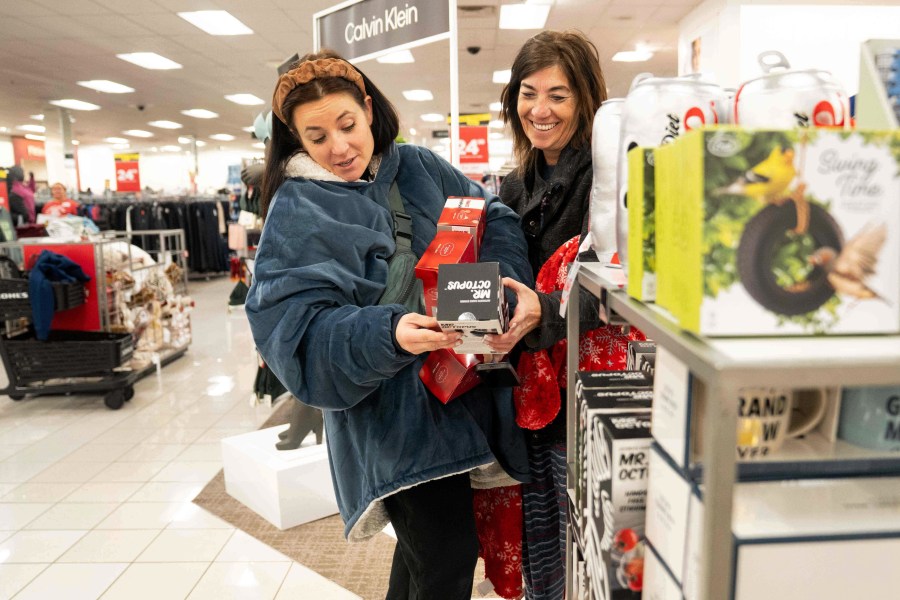
U.S. retail sales remained stable in October, showing no change from the previous month, as consumers adjusted their spending habits in response to rising prices and ongoing economic uncertainties. According to the U.S. Department of Commerce, the figures reflect a cautious approach from shoppers following a robust summer spending season.
Excluding the automotive sector, sales at retail outlets and restaurants saw a slight increase of 0.4% in October compared to September. This modest rise suggests that while consumers are still purchasing, they are doing so more selectively. The overall stability in sales points to a hesitancy among shoppers as they navigate a landscape marked by inflation and fluctuating economic conditions.
The retail sector has been a key indicator of consumer confidence and economic health. Following a summer where spending surged due to pent-up demand, the current data indicates a shift in consumer behavior. Factors contributing to this moderation include concerns over inflation, which has affected prices on a range of goods, from groceries to clothing.
In October, many retailers reported mixed results. Some continued to benefit from strong sales in essential categories, while discretionary spending appeared to wane. As consumers grapple with the impact of higher prices, businesses may need to adapt their strategies to retain customer interest.
While October’s figures suggest a pause in the momentum seen earlier in the year, analysts are closely monitoring trends in consumer behavior. The upcoming holiday season will be a critical period for retailers, as they seek to entice shoppers who may be more price-sensitive than in previous years.
As the economy evolves, the retail sector will undoubtedly reflect the broader challenges and opportunities faced by consumers. The ongoing dialogue around inflation and economic stability will shape the purchasing decisions of millions across the United States.