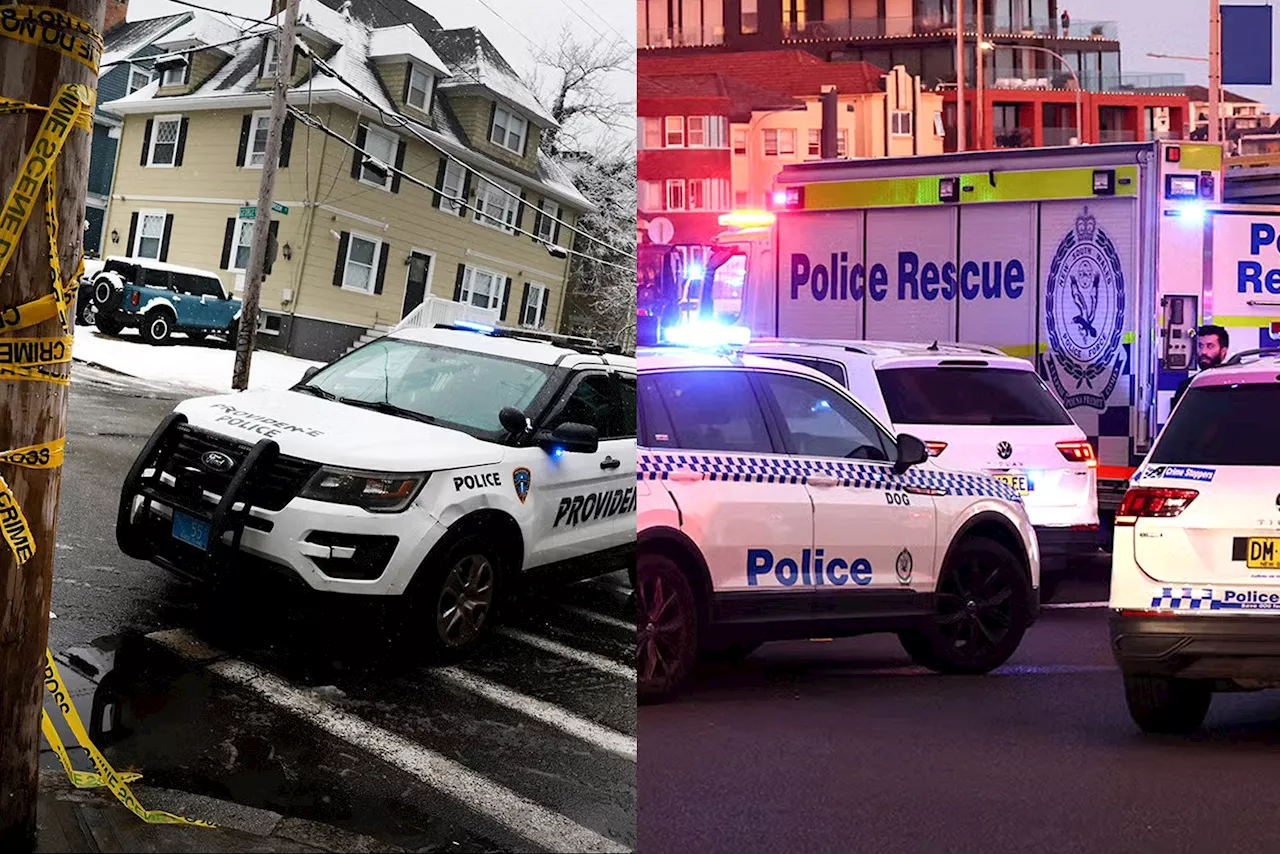
Tragedy struck recently at both Bondi Beach in Australia and Brown University in the United States, bringing renewed focus to the urgent need for gun control measures in the U.S. The incidents have sparked conversations about campus safety and the potential for adopting frameworks similar to Australia’s National Firearms Agreement (NFA). This agreement, implemented in 1996 after a devastating mass shooting, offers insights that could help create safer environments for students and faculty across American campuses.
The events at Bondi Beach, which tragically targeted Jewish individuals, resonated deeply within academic communities, particularly at nearby Brown University and Amherst College. Many students and faculty from these institutions share connections, amplifying the emotional impact of the attacks. Such incidents not only highlight the pervasive fear present in educational settings but also raise critical questions about ensuring a safe atmosphere conducive to learning and research.
Australia’s NFA serves as a powerful example of effective gun regulation. Following the 1996 Port Arthur massacre, the NFA introduced comprehensive measures including strict licensing requirements, limitations on firearm purchases, and a ban on certain types of weapons. As a result, Australia has experienced a significant decline in gun-related homicides and mass shootings. The success of this legislation underscores the potential for well-crafted gun control policies to mitigate violence in educational settings.
Learning from Australia’s Approach
A key takeaway from Australia’s experience is the importance of a national-level solution to gun control. In contrast, the fragmented landscape of gun laws in the United States allows individuals to exploit gaps between state regulations. The NFA’s uniform application across Australia demonstrates the effectiveness of a coherent framework in addressing gun violence. Importantly, this approach does not aim to eliminate firearms altogether but rather ensures that individuals can only possess weapons for legitimate reasons.
While some cite the Second Amendment and the entrenched gun culture in the United States as barriers to reform, it remains feasible to implement regulations that respect constitutional rights. The National Instant Criminal Background Check System is one example of a practical measure that can enhance firearm safety. This system includes licensing requirements and identifies ‘prohibited persons’ who cannot legally purchase firearms.
Congress must consider adopting similar measures to improve safety on campuses across America. In light of the recent tragedies, it is imperative to establish a national framework that protects students, faculty, and the broader community. The call for a U.S. version of Australia’s National Firearms Agreement is not merely a policy suggestion; it represents a necessary step towards a safer future.
The tragic events at Bondi Beach and Brown University serve as stark reminders of the ongoing challenges related to gun violence. They compel us to reflect on how to create secure and nurturing environments for education and research. By examining successful policies from other countries, we can work towards solutions that prioritize safety without infringing on personal rights.
The conversation surrounding gun control is fraught with complexity, yet the potential benefits of well-designed regulations are clear. As communities grapple with the aftermath of violence, it becomes increasingly essential to advocate for comprehensive measures that protect individuals while fostering an environment where education can flourish free from fear.