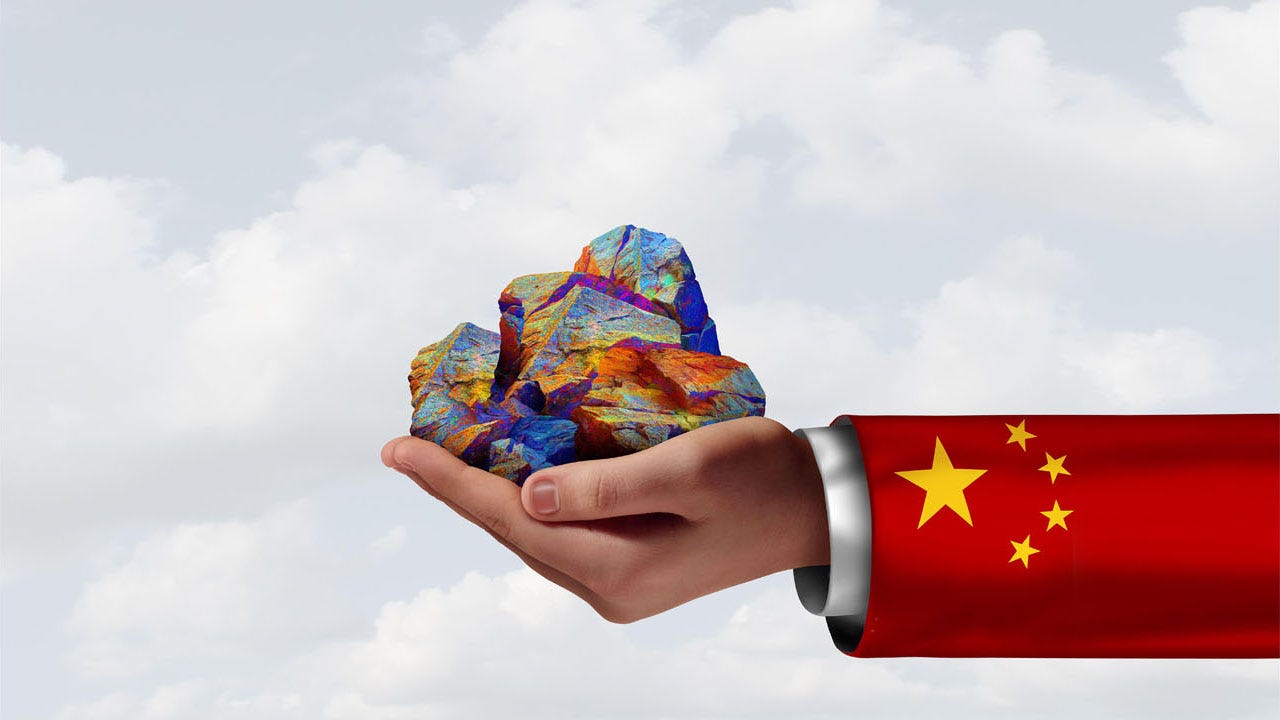
New reports confirm that CIOs face escalating risks in the supply chain for rare earth elements (REEs), critical to semiconductors and data center infrastructure. A recent trade agreement announced in November temporarily suspends export controls on REEs from China, which dominates the market by supplying approximately 70% of global rare earths and refining around 90%. This development brings short-term relief, but experts warn that the long-term risks remain severe and require immediate attention.
According to Cori Masters, senior research analyst director at Gartner, this agreement is not a permanent fix. “It’s still viewed from a supply chain perspective as a single source of supply,” Masters stated, highlighting the dangers of over-reliance on one geography. While CIOs currently report no major delays in server equipment delivery, the underlying risk persists and could lead to prolonged lead times in the future.
The complexity of the tech supply chain exacerbates this issue. Many CIOs are unaware that REEs are embedded deep within the supply chain, particularly in the Tier 3–5 segments, which include refinement and chemical separation. Ashish Nadkarni, group vice president at IDC, emphasizes that when CIOs buy servers from major vendors like Dell or HP, they often overlook the critical components that rely on REEs.
“Think of it like grocery shopping,” Nadkarni explained. If you ask a vendor why lettuce prices have surged, they might attribute it to inflation without knowing the root cause. This lack of visibility can mask deeper supply chain issues, as the effects of rising costs can lead to longer lead times for essential tech components.
To mitigate these risks, both Masters and Nadkarni recommend that CIOs demand transparency and commitment to diversification from their Tier 1 suppliers. They should actively seek insights into their vendors’ supply chains, looking for signs of material shortages and potential disruptions. “CIOs should be looking for indications within their supply base that they’re running out of materials,” Masters advised.
Moreover, utilizing supply chain risk management software can help CIOs gain better insights into their vendors and the broader market dynamics. “Many supply chain risk management solutions are available based on your industry,” Masters noted, emphasizing the importance of a centralized system for monitoring REEs not just in IT hardware but across various sectors including defense, healthcare, and clean energy.
CIOs are also encouraged to reward suppliers who explore alternative sourcing options. Although China maintains a significant monopoly on REEs, countries like the U.S. and Australia are actively working to extract rare earths sustainably. Encouraging these efforts could help build resilience in the supply chain over the long term.
Recycling rare earths from existing devices is another avenue, albeit one that currently faces challenges in terms of feasibility and cost. As the demand for semiconductors grows, the need for innovative solutions becomes increasingly critical.
The takeaway for CIOs is clear: vigilance is necessary. As the landscape of rare earth supply continues to evolve, proactive measures can help safeguard against future disruptions. The time to act is NOW.