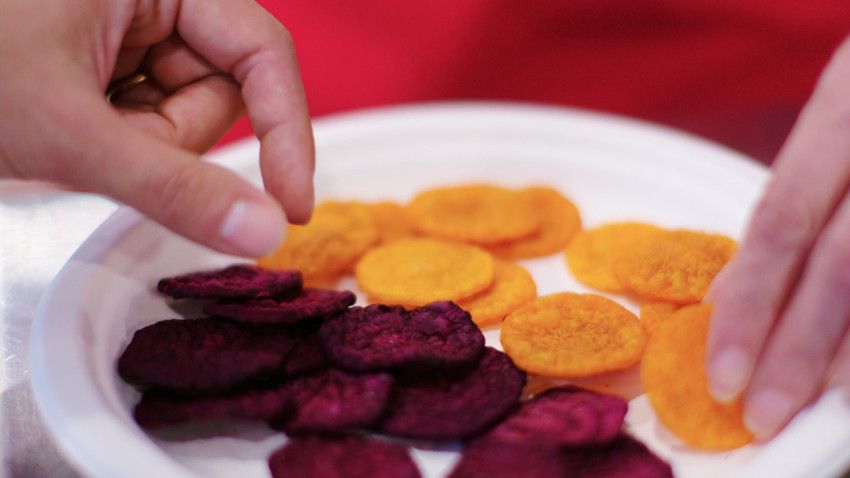
A novel method of microwave vacuum drying (MVD) has been developed to create crispy beet snacks, presenting a healthier alternative to traditional frying and baking methods. This technique, highlighted in a study published on December 5, 2023, in the journal Innovative Food Science and Emerging Technologies, promises to retain essential nutrients while producing shelf-stable products.
Chang Chen, an assistant professor of food science at Cornell AgriTech, emphasized the importance of maintaining heat-sensitive nutrients, which are often diminished in baked or deep-fried products. He stated, “We wanted to produce a healthy snack from whole vegetables, with all-natural ingredients and high fiber. We said, what if we can engineer the process and achieve the same texture without adding any oil?”
Beets Boosting Agriculture in New York
The beet is gaining popularity among health-conscious consumers and food processors, leading to a significant agricultural boom in New York. Current agricultural data indicates that New York produces more beets than any other state, accounting for over one-fifth of all acreage dedicated to this root vegetable. This growth is attributed to the introduction of improved beet varieties, rising demand for healthier food options, and ongoing collaborations with agricultural scientists at Cornell.
The MVD process combines reduced pressure with microwave energy, allowing for quicker moisture removal at lower temperatures compared to conventional drying methods. This innovative approach helps retain the flavor, color, and nutritional quality of beets while producing appealing, crispy snacks. Researchers tested the method on thinly sliced beets, aiming to create a snack that surpasses the texture and nutritional profile of traditional potato and banana chips.
Initial findings reveal that the MVD technique can produce dry and crispy beet snacks with reduced energy consumption and shorter processing times. “We have achieved a good puff, usually only seen in deep-frying,” Chen noted. “And they are even crispier than fried chips.”
Expanding Snack Options
According to Diane Makovic, a doctoral student in food science who conducted her thesis on beet chips using MVD, starch plays a crucial role in achieving the desired puffiness. “You need a thin layer of gelatinized starch. The puffs form when you use high heat and interior water evaporates and creates the puff,” she explained. This method could also be adapted for other starchy vegetables, such as potatoes and butternut squash.
Chen highlighted the potential for MVD to be applied to a wider range of fruits and vegetables that are challenging to dry without compromising quality. “From a product line perspective, yams and sweet potatoes are high in nutrients and with natural sweetness,” he said. The research team is also exploring the use of apples for future snack innovations.
For New York’s beet farmers, who supply the root vegetable for various markets including fresh consumption and processing into health supplements, this breakthrough in snack production could enhance market opportunities. Beets have increasingly appeared in products such as sports drinks, nutrition bars, and supplements like Super Beets, reflecting a growing consumer preference for functional foods rich in fiber, antioxidants, and micronutrients.
The research was funded by the U.S. Department of Agriculture National Institute of Food and Agriculture and the Cornell AgriTech Director’s Venture Fund, showcasing a commitment to advancing agricultural practices and promoting healthier snack options.