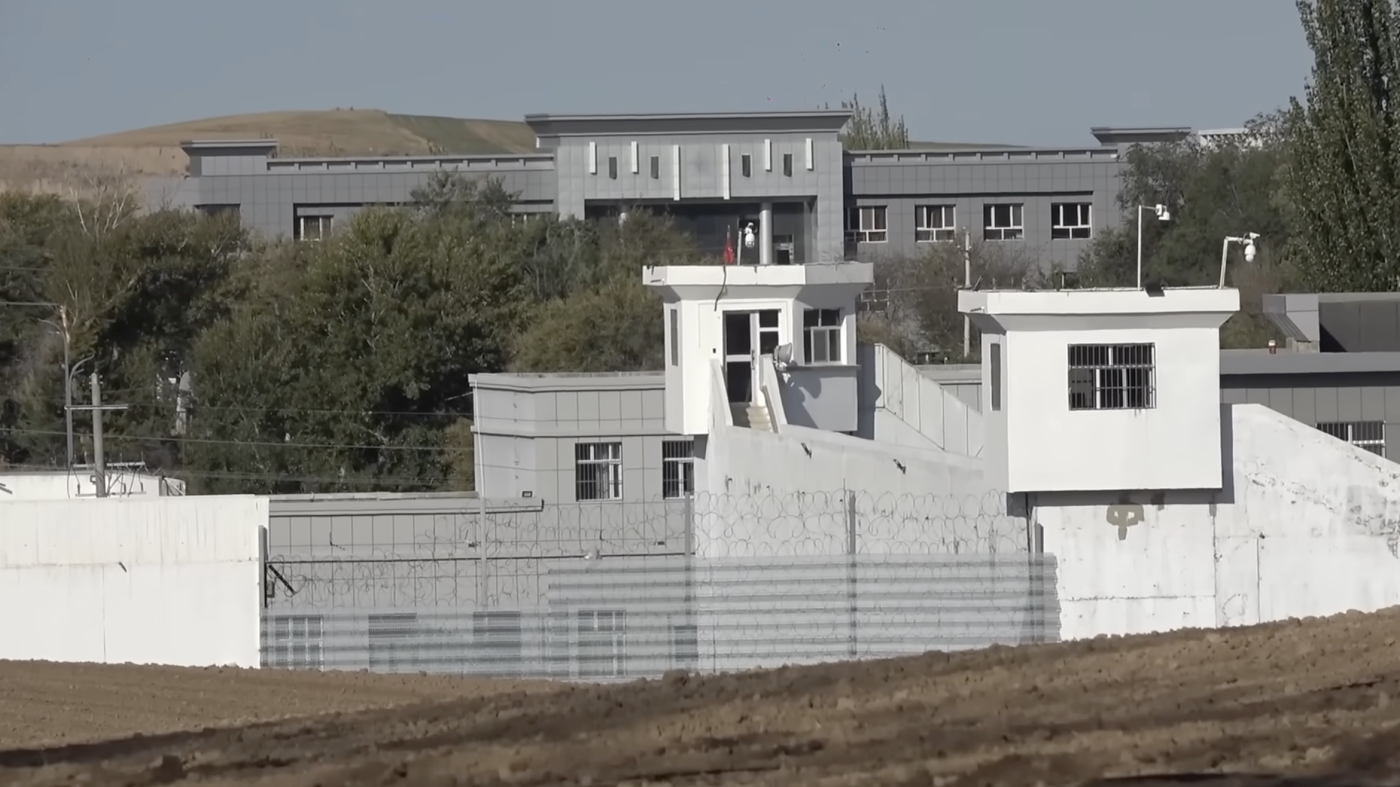
A Chinese man who filmed secret footage in Xinjiang now faces potential deportation from the United States. Guan Heng, 38, embarked on a perilous journey to the U.S. in October 2021, believing that his exposure of human rights abuses would lead to his arrest in China. After a grueling 23-hour ride in a small inflatable boat from the Bahamas, he reached Florida’s shores hoping to seek asylum.
Guan’s video, a roughly 20-minute compilation documenting what he described as detention camps in Xinjiang, has become a focal point in his asylum case. He shared his story with Human Rights in China, a U.S.-based advocacy group that has been raising awareness about his situation. Currently held in immigration detention in upstate New York, Guan appeared via video link in an immigration court this week, where his asylum application remains pending. A subsequent hearing is scheduled for January 12, 2024.
If his application is denied, he could face deportation to Uganda, a possibility raised by a lawyer from the Department of Homeland Security during a recent hearing. This type of third-country deportation was affirmed by the U.S. Supreme Court in July. Guan’s case has prompted scrutiny regarding the expanding immigration policies in the U.S.
Democratic Representative Raja Krishnamoorthi of Illinois expressed support for Guan, describing his situation as a “textbook example of why asylum exists.” In a letter to Homeland Security Secretary Kristi Noem, he highlighted the urgent need to consider Guan’s circumstances, given his documented escape from potential persecution in China.
According to a statement from the Department of Homeland Security, Immigration and Customs Enforcement (ICE) agents encountered Guan while executing a search warrant related to his roommate. The agency stated, “This illegal alien from China entered the U.S. illegally at an unknown date and time. All of his claims will be heard before an immigration judge.”
Guan’s journey began in 2020 when he was inspired by English-language news reports detailing China’s extrajudicial detention of Uyghurs and other ethnic minorities in Xinjiang. Motivated to document these human rights violations, he traveled to the region and filmed extensive footage, but felt unable to publish it while still in China. In July 2021, he left China for Ecuador, which permitted visa-free entry for Chinese nationals at that time. From Ecuador, he traveled to the Bahamas, where he purchased the inflatable boat that would take him to the U.S.
Since arriving in the U.S., Guan applied for asylum and obtained a work permit, making ends meet by driving for Uber and taking on various odd jobs. Unfortunately, his life took a turn this past August when ICE agents arrested him while investigating his roommate. His lawyer, Chen Chuangchuang, described Guan’s capture as a matter of “bad luck.”
The case has drawn criticism from human rights advocates, who argue that the U.S. should protect Guan as a whistleblower. Guan’s family remains in China and reports that they have faced extensive interrogation since his departure. His mother, Luo Yun, who now resides in Taiwan, stated, “There is not one family member of his who has been left unaffected and not investigated.” She expressed hope for her son’s future, emphasizing the risks he faces if returned to China.
Within China, authorities have aggressively pursued individuals suspected of threatening national security concerning Xinjiang, particularly those who share information about the region’s conditions. The situation remains critical as Guan awaits the outcome of his asylum application, highlighting the complex intersection of immigration, human rights, and international relations.