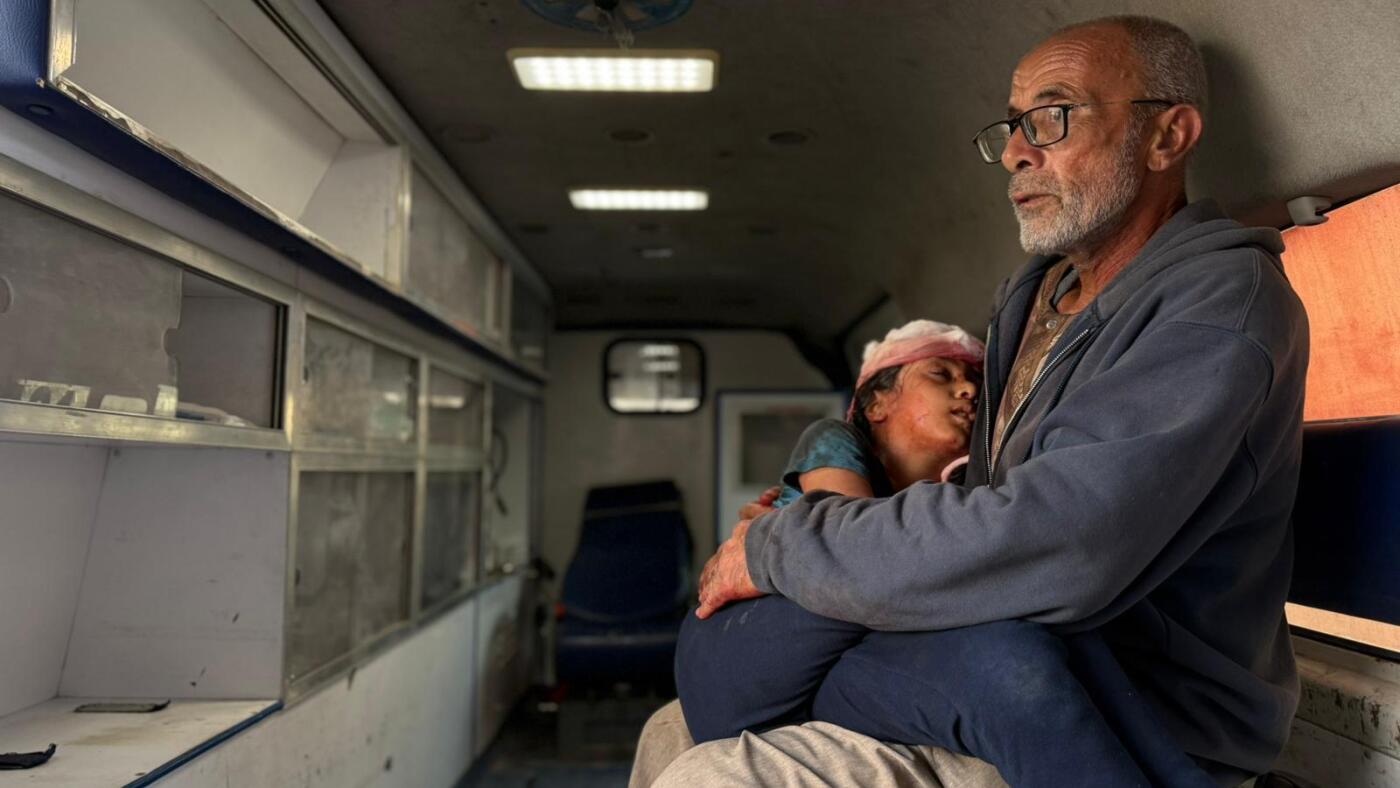
When ten-year-old Bayan Al-Ankah was reportedly shot in the head by the Israeli military last week while in a displaced persons camp in Gaza, it highlighted the ongoing violence in the region. Her death is among several hundred Palestinian casualties during a fragile ceasefire between Hamas and Israel. Mediators from Qatar and Egypt now express concerns that this truce is increasingly threatened by near-daily Israeli attacks in Gaza.
The future of the U.S.-backed ceasefire relies heavily on two pivotal actions: the deployment of an international force in Gaza and the disarmament of Hamas. Yet, discussions surrounding these crucial steps remain fraught with uncertainty. Countries are still deliberating over fundamental details, and the U.S. aims to have international forces in Gaza by early 2026, despite facing considerable challenges.
A recent document from the U.S. State Department outlines the Trump administration’s vision for these international troops, emphasizing their role in “supporting the demilitarization of Gaza” and “dismantling terrorist infrastructure.” However, many nations have expressed reluctance to send troops to confront Hamas regarding its weapons.
The United Nations Security Council recently mandated international troops to operate in Gaza until the end of 2027, although the exact role of these forces remains ambiguous. The U.S. convened representatives from numerous countries in Doha this week to discuss plans for the proposed International Stabilization Force (ISF). This meeting was strictly preliminary, with no commitments made regarding troop contributions.
Countries such as Italy, Egypt, Indonesia, Azerbaijan, and Turkey are among those considered potential contributors to the ISF, according to officials and media reports. Turkey’s Foreign Minister Hakan Fidan emphasized that any military personnel deployed should serve as peacekeepers along the border between territories controlled by Hamas and Israel, rather than directly disarming Hamas.
Egypt’s Foreign Minister Badr Abdelatty echoed this sentiment, stating that the ISF’s mandate should focus on peacekeeping rather than peace enforcement. He urged for the immediate deployment of monitors, citing daily violations of the ceasefire by Israel.
In contrast, Israeli Prime Minister Benjamin Netanyahu expressed skepticism about the ability of an international force to effectively disarm Hamas. He stated, “Our friends in America want to try and establish a multinational force to do the job. I told them … please, be my guest.” Israel has voiced opposition to Turkey’s involvement, viewing it as a nation sympathetic to Hamas. Furthermore, Israel has asserted it will not withdraw troops from Gaza until the territory is fully demilitarized.
Qatari Foreign Ministry spokesman Majed Al-Ansari highlighted the existing disagreements among countries regarding the sequencing of disarmament and troop withdrawal. “Sequencing is the issue,” he noted, suggesting that delays in decision-making could jeopardize the ceasefire.
While Hamas leaders in exile in Doha are reportedly open to disarmament, they emphasize that it must be linked to a robust political process leading to the establishment of a Palestinian state. Bassem Naim, a Hamas negotiator, mentioned, “We are ready to go for a ceasefire for five, seven, 10 years,” but insisted that disarmament must occur alongside assurances that Gaza will not be attacked.
Hamas has expressed willingness to accept the ISF as a peacekeeping force, provided it operates as a buffer between Israeli forces and Palestinians. However, they stipulate that any international troops should not be stationed within Palestinian population centers.
As discussions continue, the humanitarian situation in Gaza remains dire. Mediators from Egypt and Qatar report that Israel is not allowing the agreed-upon quantity or type of aid into the region. The United Nations indicates that a quarter of families in Gaza are still limited to just one meal a day, while basic medicines remain largely unavailable.
Israeli airstrikes during the conflict have severely damaged Gaza’s infrastructure, with over 90% of homes reported as destroyed or damaged, according to the U.N. The health ministry in Gaza has reported over 70,000 Palestinian fatalities since hostilities began, sparked by a Hamas-led attack that claimed nearly 1,200 lives in Israel.
Aid organizations like the Norwegian Refugee Council have stated that, even during the ceasefire, Israel continues to block essential aid needed for winter survival. Recent severe storms have worsened conditions, displacing families and leading to fatalities from exposure.
As the situation evolves, the urgent need for a comprehensive and sustainable solution remains clear, with the welfare of the Palestinian people hanging in the balance.