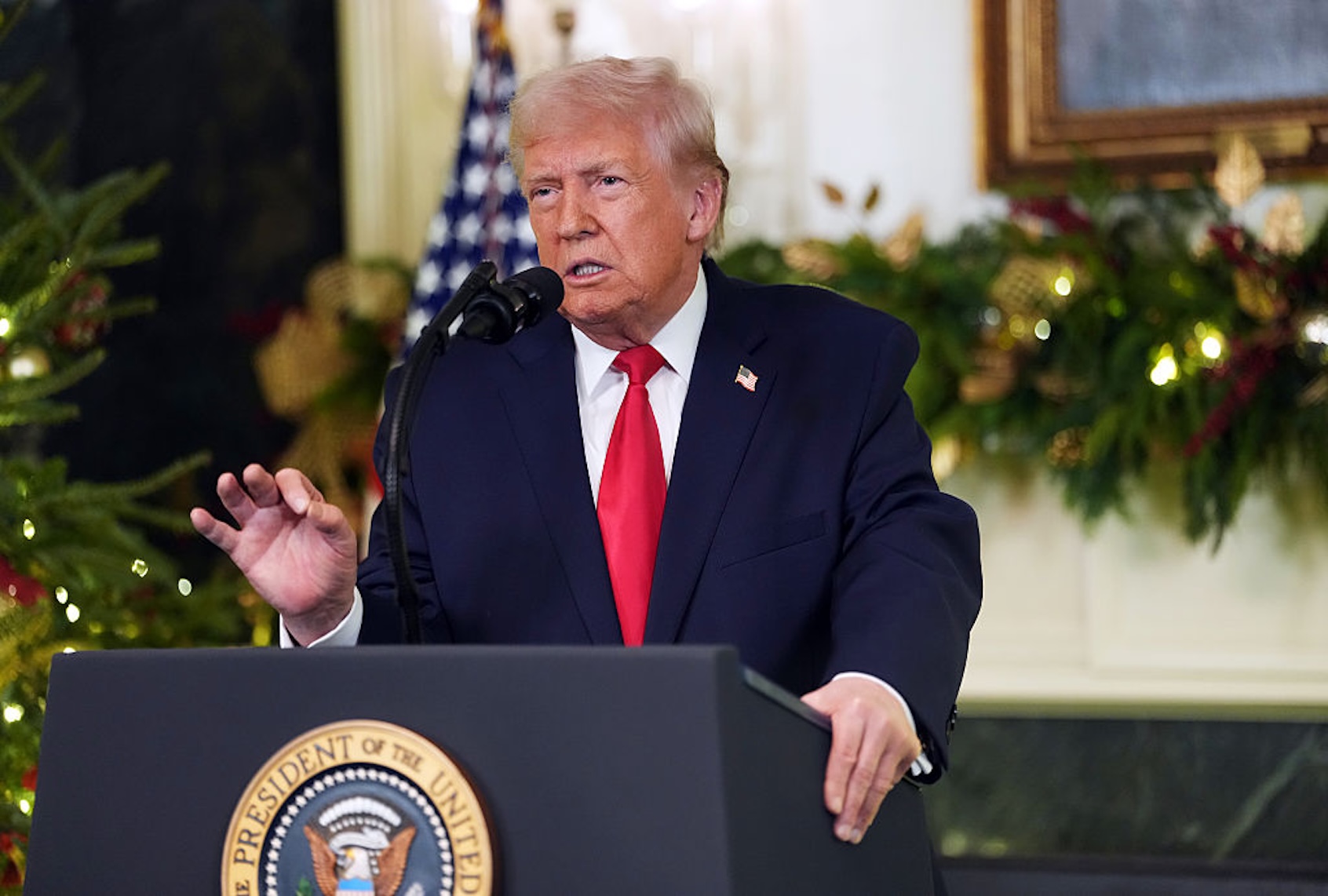
In a primetime address from the White House on March 15, 2026, former President Donald Trump aimed to reshape the economic narrative leading into the midterm elections. The 18-minute speech, delivered from the Diplomatic Reception Room, focused on what he characterized as the successes of the Trump administration’s economic policies, despite rising concerns about inflation and job losses.
During the speech, Trump asserted, “One year ago our country was dead,” claiming that the nation faced imminent economic failure. He went on to declare, “Now we’re the hottest country anywhere in the world,” citing conversations with various global leaders to support his claims. This rhetoric appears to be an attempt to regain control of a narrative that has been increasingly unfavorable as economic conditions shift.
Trump’s address included several assertions about the economy that have been contradicted by current data. He claimed that “inflation is stopped” and that prices are falling, while directing blame at the Democratic Party and President Joe Biden for ongoing economic challenges. According to recent statistics, inflation peaked at 9.1% in 2022, a significant concern for voters who have directly experienced its effects on everyday costs.
The Biden administration has faced scrutiny for its messaging around economic recovery, particularly after the initial surge of inflation post-COVID-19 pandemic. Although the administration achieved a decrease in inflation to approximately 2.5%, many Americans have continued to feel the pinch at grocery stores and other essential services. The Economist even highlighted the American economy as “The Envy of the World,” illustrating a positive recovery narrative that has not resonated with all voters.
Trump’s approach seems to echo mistakes made by both Biden and Vice President Kamala Harris during the 2024 election cycle, which involved underestimating the impact of inflation on voters’ sentiments. The former president’s retrospective grading of his economic performance as an “A-plus-plus-plus-plus-plus” raises questions about his disconnect from the broader public sentiment regarding economic stability.
In the address, Trump emphasized that the economic situation was inherited from the previous administration, characterizing it as “the worst the world has ever seen.” Despite this claim, inflation rates were at approximately 3% when he took office, a number that has remained consistent in the latest reports. Additionally, the job market shows signs of cooling, with unemployment recently rising to 4.6%, the highest level since 2022.
The speech also introduced a narrative around tariffs as a supposed remedy for economic woes. Despite Trump’s assertions that his tariffs would lead to economic salvation, recent data indicates that small businesses are struggling under these policies, while larger corporations have depleted their inventories. Economic observers suggest that this stagnation could lead to further challenges ahead.
As Trump continues to promote a future economic boom, skepticism remains among voters, particularly those who feel abandoned by previous promises. A recent Reuters/Ipsos poll indicated a decline in Trump’s economic approval rating, dropping from 36% to 33%, with disapproval rising from 52% to 58%. This shift signals growing frustration among constituents regarding the administration’s economic management.
In the wake of the address, key figures within Trump’s administration, including Chief of Staff Susie Wiles and Vice President JD Vance, have reiterated the administration’s commitment to economic improvement. Vance, in a recent speech, echoed Trump’s sentiments, blaming Democrats for ongoing affordability issues while making controversial claims about undocumented immigrants contributing to the housing crisis.
As Trump and his administration prepare to campaign in the lead-up to the November midterm elections, the persistent economic concerns among voters may complicate their messaging. With promises of imminent economic relief and a return to prosperity, the administration faces a challenging landscape where public skepticism could significantly impact their electoral prospects.