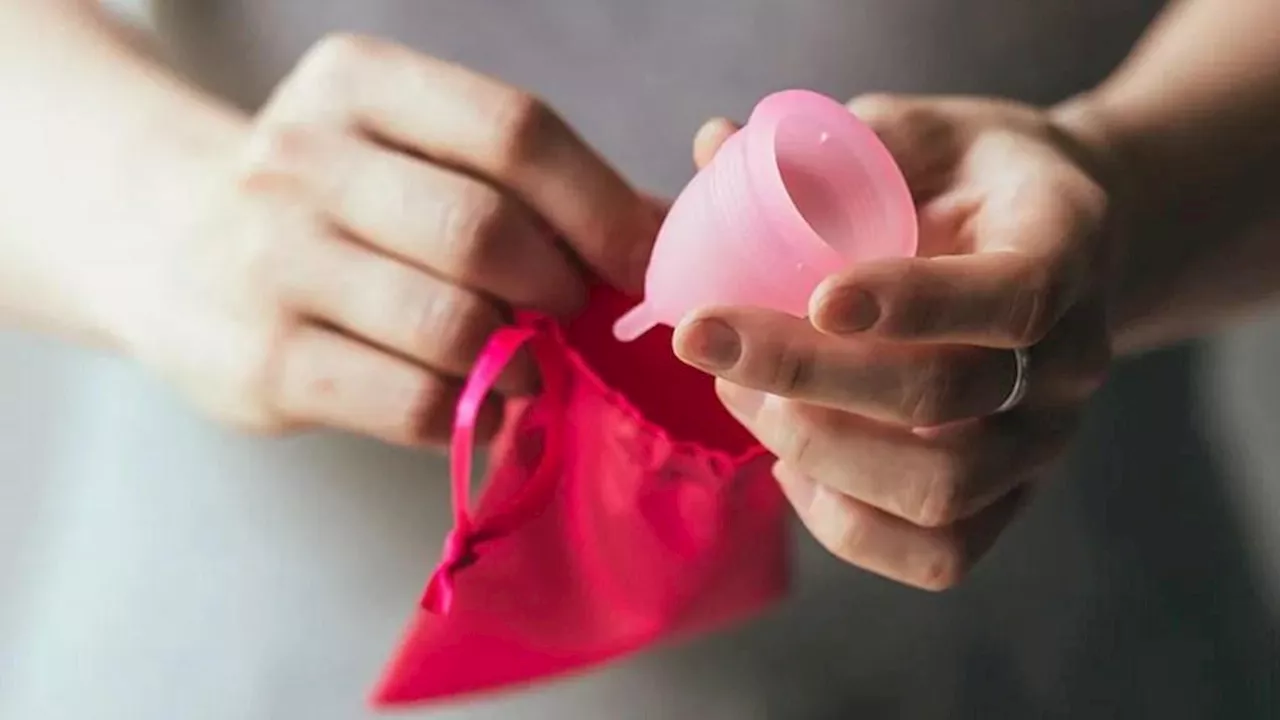
UPDATE: The latest insights into choosing the right menstrual cup for a high cervix are now available, offering crucial information for those seeking sustainable and comfortable alternatives to traditional sanitary products. With a growing number of options on the market, selecting the best menstrual cup has never been more important.
Menstrual cups provide a reliable and eco-friendly solution for managing periods, especially for those who prefer to avoid pads and tampons. As concerns over environmental impact rise, many consumers are turning to these innovative products, and understanding your needs is key to making the right choice.
For individuals with a high cervix, size and firmness significantly impact comfort and effectiveness. The larger size is typically recommended for those who have given birth vaginally or are over 30 years old, while a smaller size is best for those under 30 or who have not given birth. This distinction is essential for ensuring a proper fit and minimizing leaks.
Menstrual cups can last for several years with proper care, making them a cost-effective choice in the long run. While they typically range from $10-$40, most high-quality options fall between $15-$25. Unlike disposable products, which must be purchased monthly, menstrual cups offer a sustainable way to manage menstrual health.
Cleaning your menstrual cup is critical. It should be sanitized before first use and between menstrual periods. Common cleaning methods include boiling the cup for 5 to 10 minutes or using natural solutions like baking soda or castile soap. Following the specific guidelines from the manufacturer ensures optimal hygiene and longevity.
In terms of materials, most menstrual cups for a high cervix are made from medical-grade silicone, latex, or thermoplastic elastomer (TPE). TPE is known for its durability, while medical-grade silicone is ideal for those with latex allergies. The firmness of a cup also plays a role; firmer cups tend to seal better but may be harder to insert. Medium-firm options are available for those seeking a balance of comfort and effectiveness.
Capacity is another important factor. Menstrual cups generally hold between 10 milliliters to 40 milliliters. Most average around 20-30 milliliters, which is adequate for most users, unless experiencing particularly heavy flow.
Featured products include a soft silicone menstrual cup with a leakproof design and a flexible stem, making it ideal for users with normal to heavy flows. Another recommended option is a medical-grade silicone cup that includes a fabric pouch for easy storage, perfect for activities like sleeping, swimming, or exercising.
It’s essential to note that while some users may face a learning curve, the comfort and effectiveness of these products often outweigh initial challenges.
As interest in sustainable menstrual health products rises, this guide equips consumers with the knowledge to make informed choices. With menstrual cups gaining popularity, the conversation around their benefits and usage continues to expand. For those interested in exploring this eco-friendly alternative, now is the time to act and choose the right menstrual cup that fits your lifestyle.
Stay tuned for more updates on sustainable menstrual products and their impact on health and the environment.