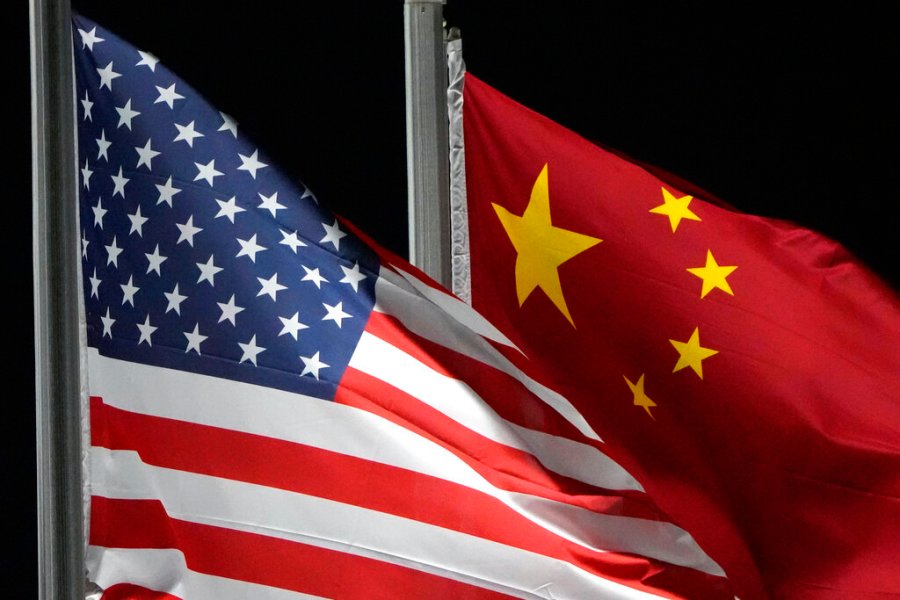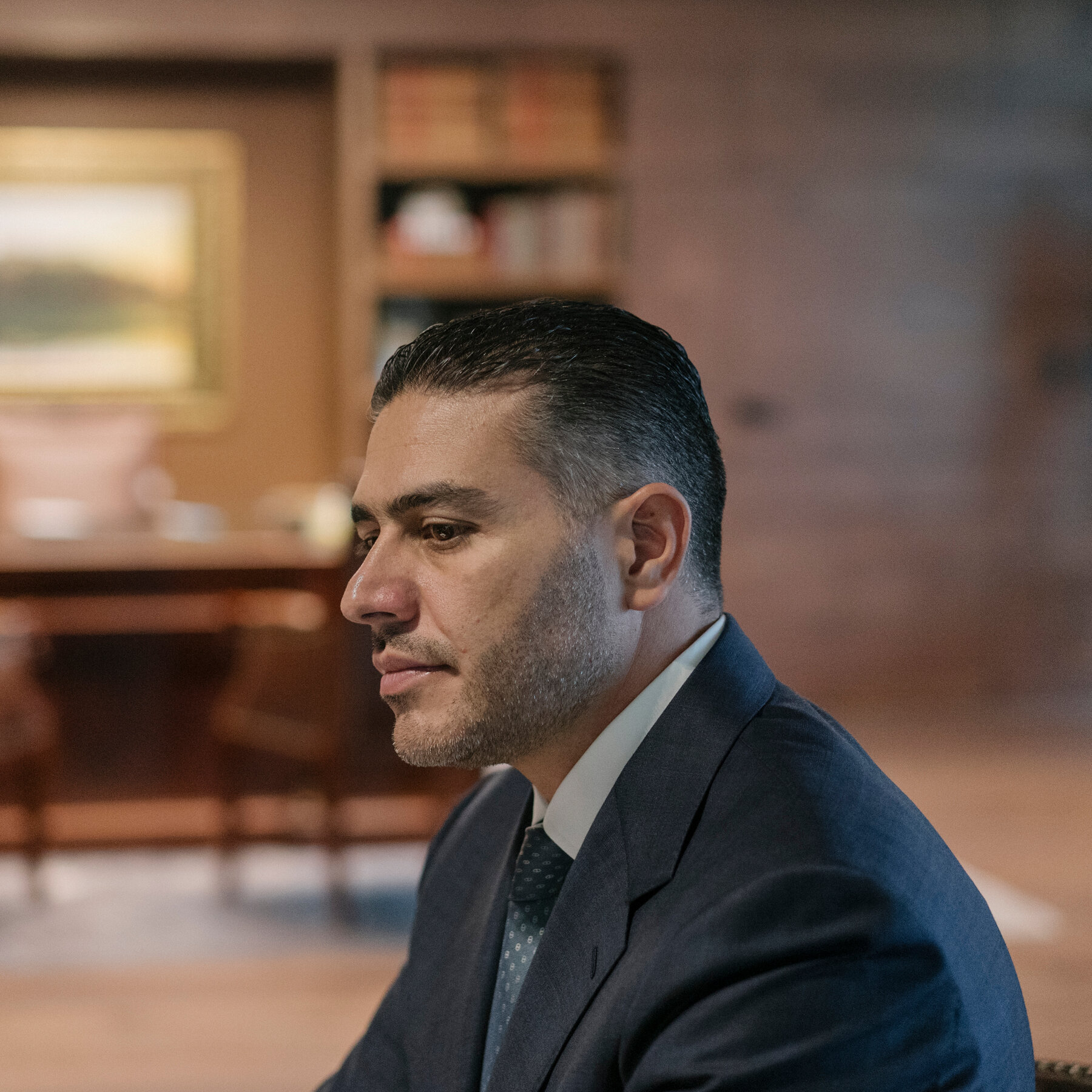
In a recent interview with The New York Times, Mexico’s Security Chief, Omar García Harfuch, detailed the government’s ongoing offensive against powerful drug cartels. This aggressive approach aims to dismantle the operations of notorious organizations such as the Sinaloa Cartel and the Jalisco New Generation Cartel. Harfuch emphasized that collaboration with international partners, particularly the White House, is crucial in addressing the challenges posed by these criminal groups.
The conversation covered the evolution of cartel violence in Mexico, which has escalated significantly in recent years. Harfuch noted that the government’s efforts have led to notable successes, including the capture of key cartel leaders. For instance, in 2021, the arrest of leaders from both the Sinaloa and Jalisco cartels marked a turning point in the fight against organized crime. Despite these victories, Harfuch acknowledged that the battle is far from over, with ongoing threats to public safety.
Strengthening Ties with the United States
Harfuch highlighted the importance of maintaining strong relations with the United States, especially in the context of shared security interests. He mentioned that Mexico has received support from the U.S. government in terms of intelligence sharing and resources. This partnership has been instrumental in enhancing Mexico’s capabilities to combat drug trafficking and related violence.
The security chief also discussed the impact of U.S. drug consumption on cartel operations. He pointed out that the demand for drugs in the U.S. fuels the activities of these criminal organizations, creating a cycle of violence that extends beyond Mexico’s borders. Harfuch advocated for comprehensive strategies that address both supply and demand to effectively tackle the issue.
Challenges Ahead
Despite progress, Harfuch admitted that significant challenges remain. Corruption within local law enforcement and government agencies continues to undermine efforts to combat cartels effectively. He stressed that tackling this corruption is essential for the success of any security strategy.
The security chief expressed optimism about the future, citing an increase in public support for government initiatives aimed at reducing cartel influence. He believes that with sustained effort and cooperation from both Mexican and U.S. authorities, the tide can be turned against organized crime in Mexico.
In conclusion, Omar García Harfuch‘s insights reveal a complex landscape in the ongoing fight against drug cartels in Mexico. His emphasis on international cooperation and internal reform underscores the multifaceted approach needed to address this pressing issue. As the country navigates these challenges, the collaboration between Mexico and the United States will play a pivotal role in shaping the future of security in the region.