A proposal to rename Chaim Herzog Park in Rathgar, Ireland, has triggered a significant diplomatic dispute between Ireland and Israel. This situation has drawn the attention of U.S. lawmakers, who are now navigating the complexities of relationships with both nations. The U.S. has strong connections with both countries, each of which has influential diaspora communities in America.
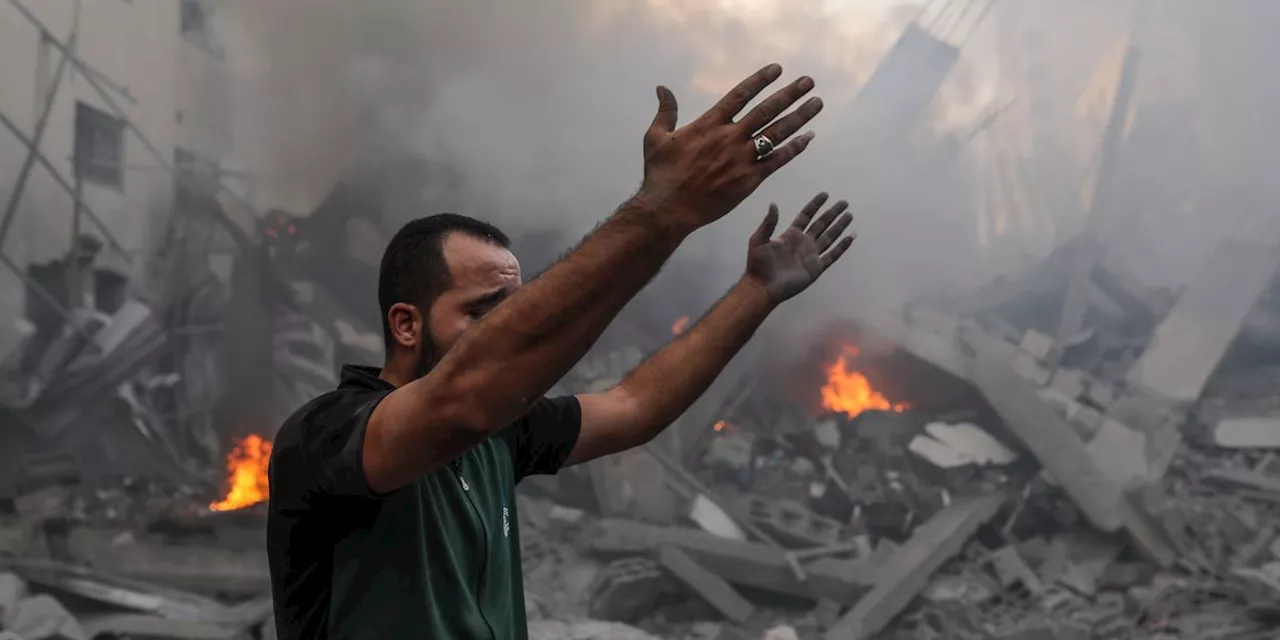
The controversy centers on a proposed bill in Ireland’s Parliament aimed at enhancing sanctions on Israeli companies involved in the ongoing conflict with the Palestinians. This has raised concerns among U.S. lawmakers. Rep. Josh Gottheimer stated that Ireland’s approach could jeopardize its relationship with the U.S., warning of potential economic sanctions if the legislation progresses. He emphasized, “Their one-sided approach to Israel could damage the relationship between the U.S. and Ireland.”
In 2023, Ireland became Israel’s second-largest trading partner, purchasing $3.89 billion in Israeli goods, while the U.S. imported $103.76 billion from Ireland. This economic interdependence complicates the political landscape as both nations aim to protect their interests.
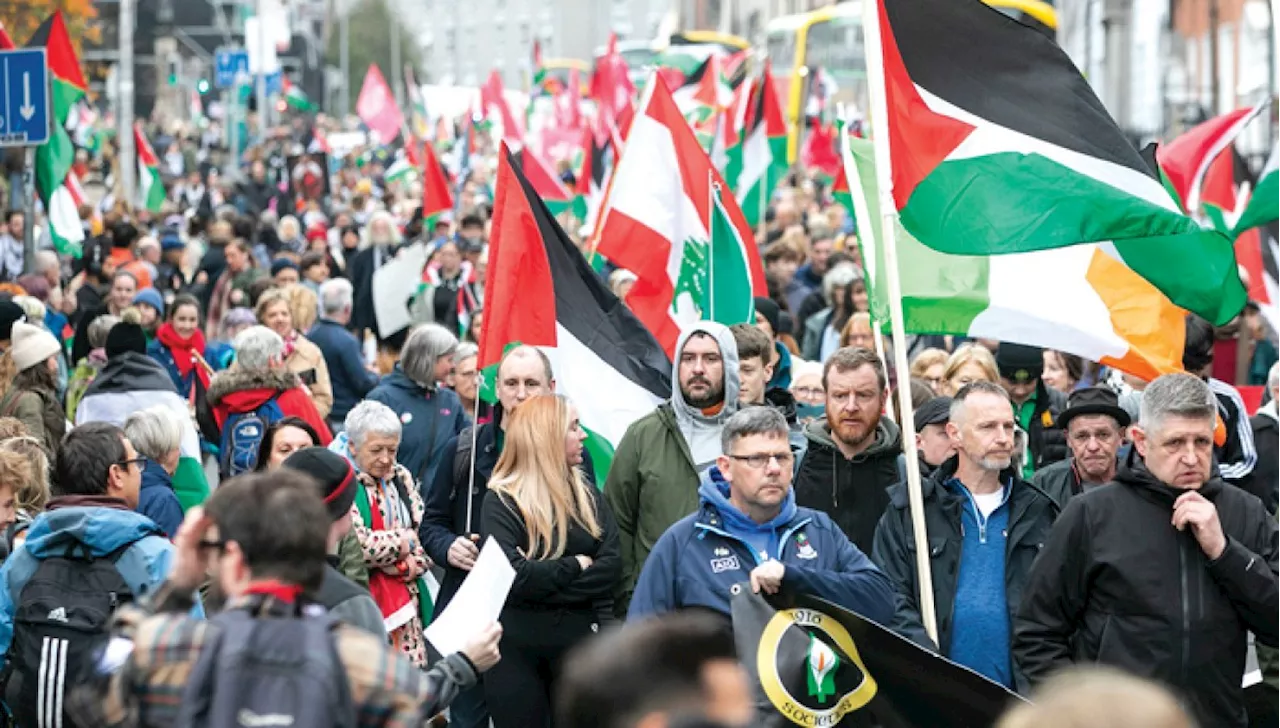
The late Israeli President Chaim Herzog, who was born in Belfast, represents a historical connection between the two countries. Herzog’s presidency from 1983 to 1993 was mainly ceremonial, yet his legacy persists in Ireland, particularly in Rathgar, where the park was dedicated in 1995 during his visit. The move to rename the park as a protest against Israel’s military actions in Gaza has sparked backlash from various political figures in both the U.S. and Ireland.
Irish Foreign Minister Helen McEntee expressed her disapproval of the renaming proposal, stating, “Renaming a Dublin park in this way — to remove the name of an Irish Jewish man — has nothing to do with this and has no place in our inclusive republic.” Her remarks provided a sense of relief to the Jewish community in Ireland, which numbers less than 3,000. Maurice Cohen, chairman of the Jewish Representative Council of Ireland, noted that the community feels increasingly vulnerable amid rising tensions due to the Israel-Palestine conflict.
Despite the temporary shelving of the renaming proposal, Cohen voiced concerns that the situation was heavily influenced by pressure from U.S. lawmakers. “They have got pressure from various politicians from Washington and Capitol Hill,” he remarked, highlighting the apprehension felt within the community regarding the political climate.
The situation intensified with Sen. Lindsey Graham’s condemnation of Ireland’s actions, claiming, “When you think it couldn’t get any worse in Ireland regarding animosity toward Israel and the Jewish people, it just did.” Such statements from prominent American figures have unsettled Irish Americans who support a balanced view of their ancestral homeland.
Amid these tensions, there is a legislative backdrop involving potential boycotts against Israel. O’Dwyer, vice president of the advocacy group Irish American Democrats, warned of the implications of such legislation, stating, “There are laws and regulations in close to 40 states mandating boycotts of entities that boycott Israel.” This sentiment is echoed by Gottheimer, who cautioned that Ireland could face severe economic consequences should the proposed law advance.
Proponents of the Irish stance argue that the nation’s historical struggles resonate with the Palestinian cause, a sentiment that has been deeply rooted in Irish society since the 1980s. Ireland has a long history of advocating for oppressed groups, which has included supporting the Palestinian cause, particularly among nationalists seeking to address colonial injustices.
Political analysts suggest that, despite the strong rhetoric, the economic ties between the U.S. and Ireland will ultimately prevent a severe rift. Scott Lucas, a professor at the Clinton Institute, University College Dublin, noted that the mutual dependencies are too significant to disrupt. He stated, “There’s just too much that the countries need from one another.”
The ongoing dispute over the renaming of Herzog Park highlights the complexities of international relations and the impact of local legislation on global diplomacy. As both Israel and Ireland continue to navigate their respective political landscapes, the engagement of U.S. lawmakers underscores the intertwined nature of these relationships and the potential repercussions for Ireland’s economic future.
The situation remains fluid, with further developments expected as both nations address the implications of their policies and the sentiments of their respective communities.