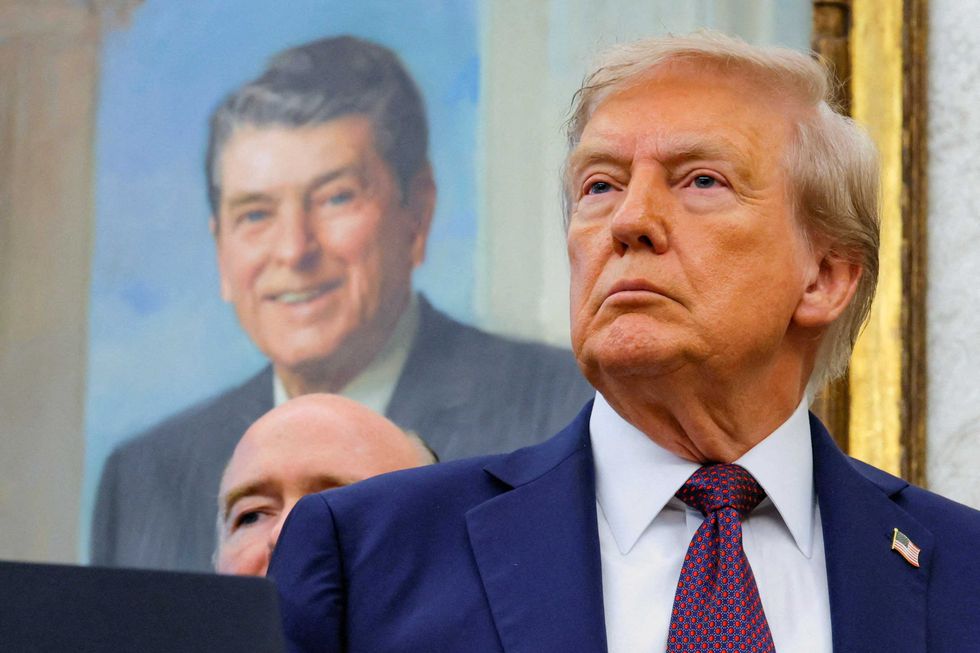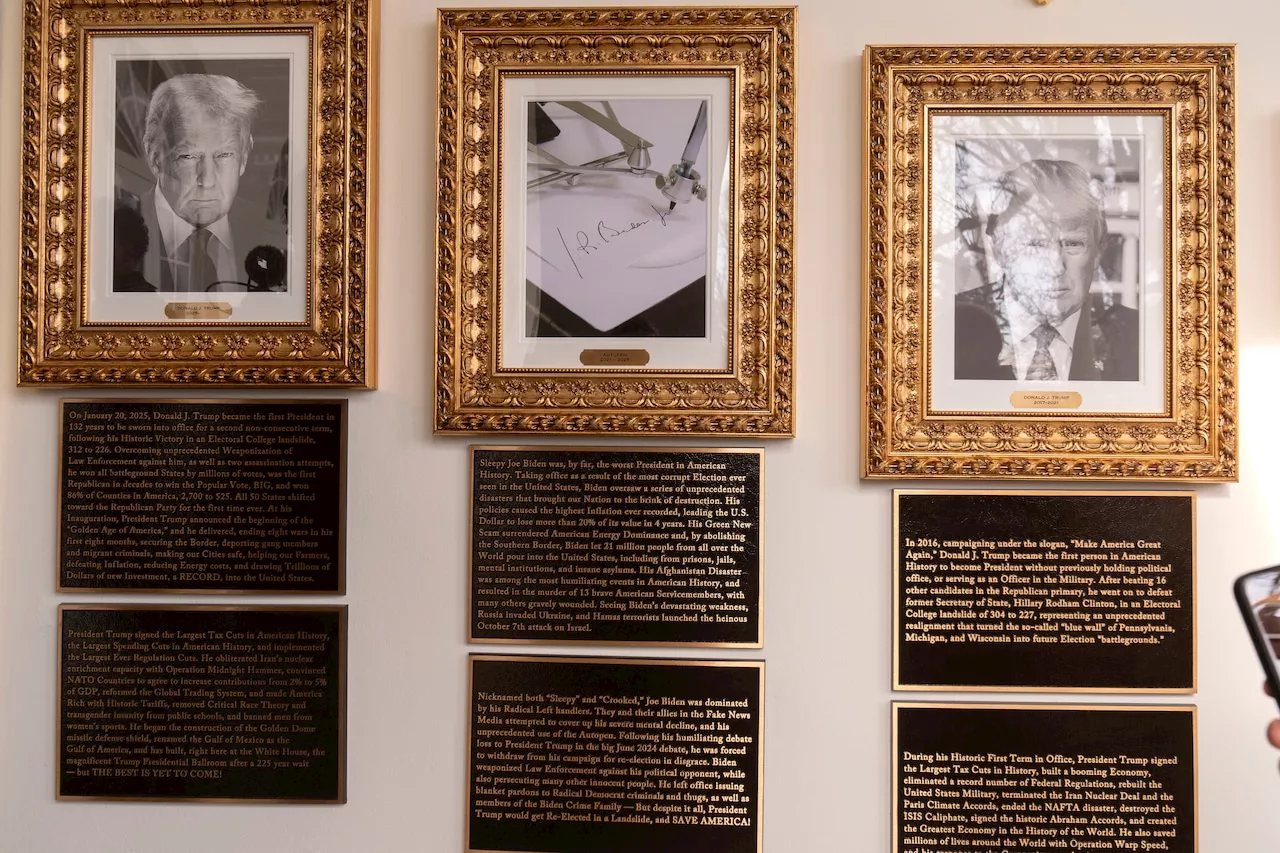
In a surprising departure from his colleagues, Fox News host Brian Kilmeade expressed concern over the recent installation of controversial plaques beneath the portraits of former Presidents Barack Obama and Joe Biden at the White House. The plaques, part of what has been called Trump’s “Walk of Fame,” feature critical commentary about both leaders, igniting discussions about the appropriateness of such political displays.
The plaques were unveiled on December 17, 2025, at the White House’s Colonnade in Washington, D.C.. They include pointed claims about Biden’s presidency, labeling him as a result of a “corrupt election” and stating he has overseen “unprecedented disasters.” Specifically, one plaque under Biden’s portrait claims, “Taking office as a result of the most corrupt Election ever seen in the United States, Biden oversaw a series of unprecedented disasters that brought our Nation to the brink of destruction.”
In contrast, the plaque for Obama describes him as “one of the most divisive political figures in American History,” criticizing his administration’s policies, particularly the Affordable Care Act. It states, “He crippled small businesses with crushing regulation and environmental red tape, devastated American coal miners, and weaponized the IRS and Federal bureaucracies against his political opponents.”
Kilmeade’s Dissent from Fox Colleagues
Kilmeade’s remarks set him apart from fellow Fox pundit Jesse Watters, who dismissed the plaques as Trump “having a little fun.” Kilmeade argued for a more respectful approach to presidential history, suggesting that the profiles of past leaders should stand without derogatory commentary. “Just put the profiles up there. I am not for dispelling or saying anything bad,” he stated, highlighting the historical perspective that some presidents, initially viewed unfavorably, can later be reassessed as significant figures.
While acknowledging the complexities of presidential legacies, Kilmeade expressed skepticism regarding Biden’s potential reevaluation in the future, stating, “I don’t think it’s going to happen with Joe Biden, but I am not for the trolling.” His comments reflect a growing concern among some commentators about the politicization of presidential history in the current climate.
Public Reactions and Broader Implications
The installation of the plaques has sparked varied reactions across the political spectrum. Critics argue that such displays trivialize the office of the presidency and may deepen divisions in an already polarized political environment. Supporters, however, view it as an expression of free speech and a reflection of Trump’s confrontational style.
As the nation approaches another election cycle, these actions at the White House may further influence public perception of both Trump and his predecessors. The ongoing discussions surrounding these plaques highlight the contentious nature of American politics, particularly in the context of presidential legacies and public memory.
As commentators continue to debate the implications of these plaques, the conversation underscores the importance of how history is framed in the public sphere. Whether viewed as a form of political expression or as an inappropriate display of partisanship, the plaques contribute to a complex narrative about leadership and accountability in the United States.