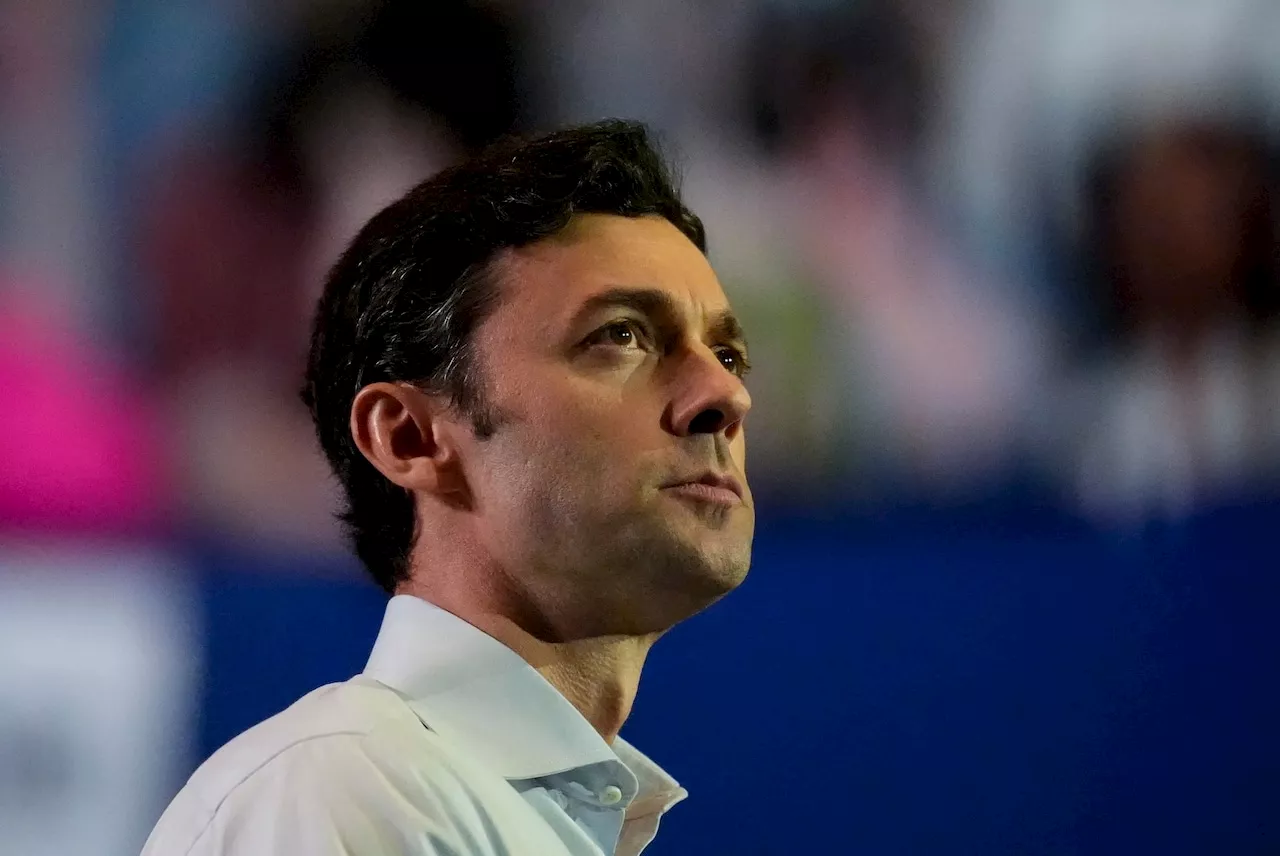
U.S. Senator Jon Ossoff of Georgia, once perceived as vulnerable ahead of the 2026 Senate elections, now appears to have solidified his position as a strong contender for reelection. This shift has sparked a growing sense of unease among prominent Republican figures, who caution that the party may face significant losses in the midterms if it fails to adjust its strategies.
In March 2025, Ossoff spoke at a Rally for our Republic event in Atlanta, showcasing his increasing confidence as a first-term lawmaker. A year ago, Ossoff was seen as the Democratic Party’s likely casualty, especially after former President Donald Trump successfully recaptured Georgia. At that time, Republicans were optimistic about rallying behind Governor Brian Kemp to challenge Ossoff. Now, in a striking reversal, Ossoff has amassed a campaign war chest of $21 million, leading all Congressional candidates on the ballot in 2026 in fundraising efforts.
Ossoff has effectively fended off any serious primary challenges, consolidating Democratic support and harnessing discontent over Trump’s presidency. He has committed to opposing Trump’s policies, even advocating for another impeachment while also appealing to moderate voters. Recent Democratic victories, including flipping two Public Service Commission seats and winning a Republican-leaning House seat in a special election, have further boosted his momentum.
“This is one of the most unpopular policy agendas in American history,” Ossoff stated in a recent interview, emphasizing a broad base of discontent that includes independents and some of Trump’s own supporters. The current climate has led Democrats to recall the momentum they experienced during the 2020 elections, when Ossoff and fellow Senator Raphael Warnock capitalized on anti-Trump sentiment to win runoff elections that shifted Senate control.
Republicans, while not in outright panic, are increasingly anxious about their prospects in a seat that was once considered highly flippable. The party’s disarray is evident, as key figures like Cole Muzio, head of the conservative Frontline Policy Council, have noted that the party appears “unfocused, unmotivated, unorganized, uninspired and underfunded.” Muzio warns that unless there is a significant change in dynamics, the GOP may need to focus more on defending existing seats rather than attempting to unseat Ossoff.
A major setback for the Republican campaign occurred when Kemp, despite pressure, declined to run against Ossoff, instead endorsing newcomer Derek Dooley, a former football coach without a political background. The Republican field now consists of Dooley, along with U.S. Representatives Buddy Carter and Mike Collins, but lacks a clear consensus candidate. As the May primary approaches, internal conflicts may complicate their strategy further.
While Democrats are encouraged by current trends, they remain cautious. Historical precedents warn against premature optimism. Charlie Bailey, Chair of the Democratic Party of Georgia, acknowledges Ossoff’s strong standing but cautions that Republicans are preparing to invest significant resources to challenge him. “We’ve got to make sure our infrastructure is built up,” Bailey remarked, highlighting efforts to establish a robust and coordinated campaign infrastructure.
Republicans are experimenting with new tactics to disrupt Ossoff’s momentum. Collins has employed an AI-generated advertisement against Ossoff, while Carter has called for increased federal immigration enforcement in Atlanta. Dooley has framed his rivals as products of a dysfunctional Washington. All three candidates are targeting Ossoff for his opposition to Trump’s key domestic policies, which include tax cuts and increased immigration enforcement.
Georgia GOP Chair Josh McKoon stated, “Defeating an incumbent U.S. senator is a tall order. But we’ve got great candidates across the board vying for the Republican nomination.” He emphasized that Ossoff, who previously positioned himself as a centrist, has developed a voting record that aligns more closely with the Democratic leadership in California than with Georgia voters.
Despite the partisan tensions, Ossoff has demonstrated a willingness to collaborate across the aisle, recently partnering with Republican Senator Cindy Hyde-Smith on legislation aimed at reducing income taxes for qualifying small businesses. This dual approach may resonate with former Trump supporters who are reassessing their political choices as the midterms approach.
Signs of grassroots energy among Democrats are increasingly evident. Last year, Democrat Eric Gisler captured a notable percentage of votes in a Republican-drawn district, and his recent victory in that same seat has bolstered optimism for Ossoff’s prospects. “There was a huge blue wave in 2018, and I see that happening again next year,” Gisler commented, linking current sentiments to a broader backlash against Trump’s policies.
In an unexpected turn, one of Ossoff’s harshest critics, Marjorie Taylor Greene, announced her retirement from Congress, stirring further discussions about Republican strategies for the upcoming elections. Muzio believes Republicans can regroup but must confront the challenges ahead directly. He cautioned against relying on familiar talking points and urged the party to articulate a more compelling narrative.
As the political landscape continues to evolve, both parties are aware that the upcoming midterms will be crucial. The stakes are high, and the battle for Georgia’s Senate seat is shaping up to be a defining moment in the broader national political context.