URGENT UPDATE: A fierce debate is erupting in the music industry as AI artists like Xania Monet are poised to challenge human creators for chart supremacy. This contentious discussion centers on whether AI-generated music should share space on platforms like Billboard, TikTok, and Spotify with traditional artists.
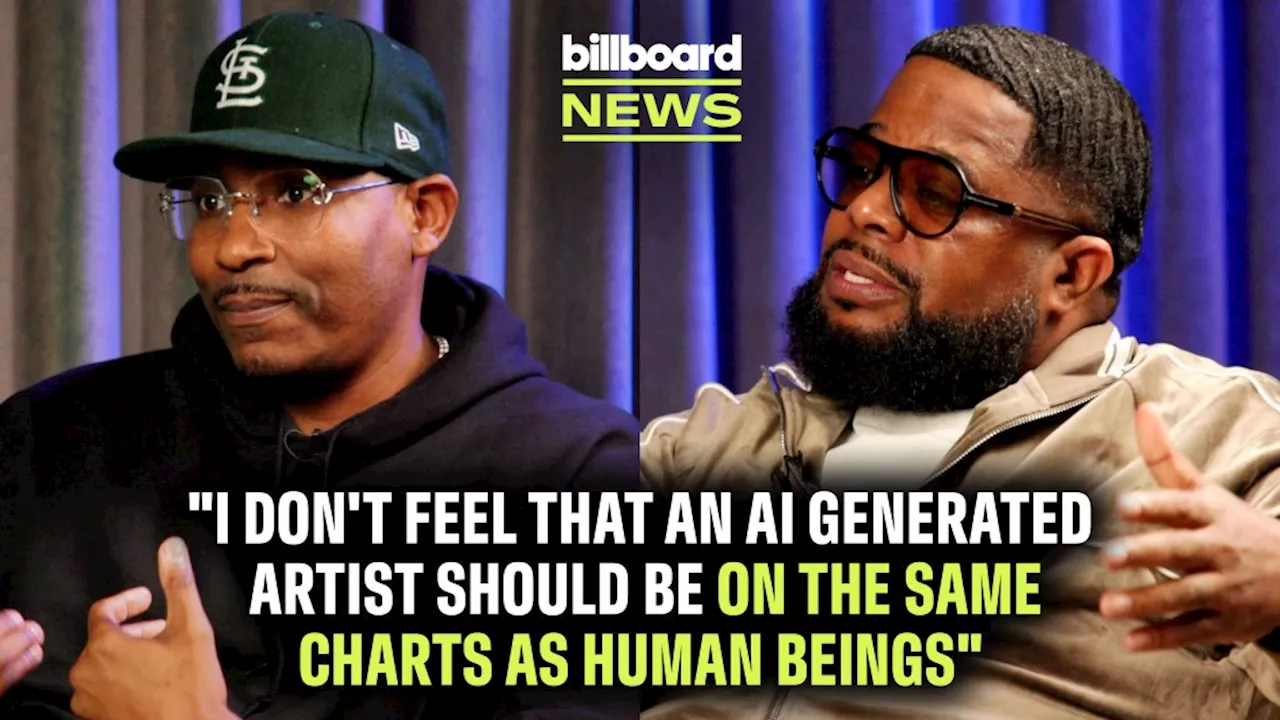
Just announced, industry leaders are weighing in on the implications of AI in music. Romel Murphy, manager of Xania Monet, and Prophet, CEO of the Black Music Action Coalition, are set to confront this pressing issue head-on. Their dialogue promises to uncover critical perspectives on the future of music creation and the evolving landscape of artist representation.
As the music industry adapts to technological advancements, the question remains: Should AI artists be allowed to chart alongside their human counterparts? This debate is unfolding against the backdrop of significant industry changes and growing concerns about authenticity and ownership in music.
Prophet emphasizes the importance of accountability in this evolving landscape, stating,
“We must ensure that the industry recognizes the profound implications of AI on music and the artists behind it.”
Meanwhile, Murphy advocates for the potential of AI to enhance creativity, highlighting that Xania Monet’s music is crafted with human input, merging artistic vision with innovative technology.
With streaming services revolutionizing how music is consumed, this debate is more relevant than ever. The integration of AI-generated content raises questions about how these artists will be categorized and whether they should receive the same recognition as human musicians.
Both guests bring unique insights to the conversation. Murphy, who has over 20 years in the industry, founded Daidream, a venture focused on AI music. He states, “I was thrust into this space unexpectedly and had to learn quickly. It’s a game-changer for creators.” On the other hand, Prophet represents a coalition that advocates for racial and social justice in the music industry, ensuring that the voices of marginalized artists are heard amidst these changes.
This dialogue is critical as the music industry grapples with the rise of AI artists. As more AI-generated music enters the charts, the lines between human and machine-created art blur. The implications for artists’ rights, royalties, and recognition are profound and warrant immediate attention.
As this conversation unfolds, the broader music community and fans alike are urged to participate. The outcomes of this debate could reshape the future of music, influencing not just who charts where, but also how society perceives creativity itself.
Stay tuned for further developments as industry experts continue to explore the implications of AI in music. What happens next could redefine the landscape for artists and listeners around the globe.