Health officials are sounding alarms as cases of influenza, norovirus, and COVID-19 surge ahead of the busy holiday travel season. The current flu season is primarily driven by the newly identified H3N2 subclade K strain, which has shown increased transmissibility and reduced effectiveness against the vaccine. With millions of families preparing to gather, the risk of widespread outbreaks is heightened.
The Centers for Disease Control and Prevention (CDC) reported that the H3N2 subclade K has become the dominant strain in the United States, responsible for approximately 89 percent of all H3N2 infections detected since late September. This strain emerged after the formulation of the 2025-26 flu vaccine, raising concerns about a potential decrease in vaccine efficacy. Despite the unchanged symptoms, which include fever, chills, fatigue, cough, and body aches, the mismatch between the vaccine and the circulating virus could lead to more severe cases.
According to the CDC’s latest data, there have been an estimated 4.6 million flu cases, 49,000 hospitalizations, and 1,900 deaths in the U.S. during this flu season. The number of positive cases significantly increased from 8.1 percent to 14.3 percent within just one week, highlighting a rapid escalation in infections. Many school districts are reporting closures due to large outbreaks among students and staff, further stressing the healthcare system.
Norovirus and Its Rapid Spread
Norovirus, often referred to as the “winter vomiting disease,” is also experiencing a notable surge across the country. Data from WastewaterSCAN indicates a 69 percent increase in viral concentrations since October, with the current risk categorized as “high.” The greatest outbreaks have been reported in the Northeast and Midwest, particularly in states like Illinois and Texas. As norovirus cases rise, schools have reported increased absenteeism and emergency room visits, prompting some institutions to implement temporary closures.
Recent clinical tests show nearly 14 percent positivity for norovirus, doubling the rate from just three months prior. Children have been disproportionately affected by these illnesses, leading to significant absenteeism in schools. In Marin County, California, for instance, about one-third of students were absent due to flu-like symptoms. Similar trends have been observed in New York City schools, where hundreds of pediatric flu cases have contributed to declining attendance.
Holiday Travel and Safety Recommendations
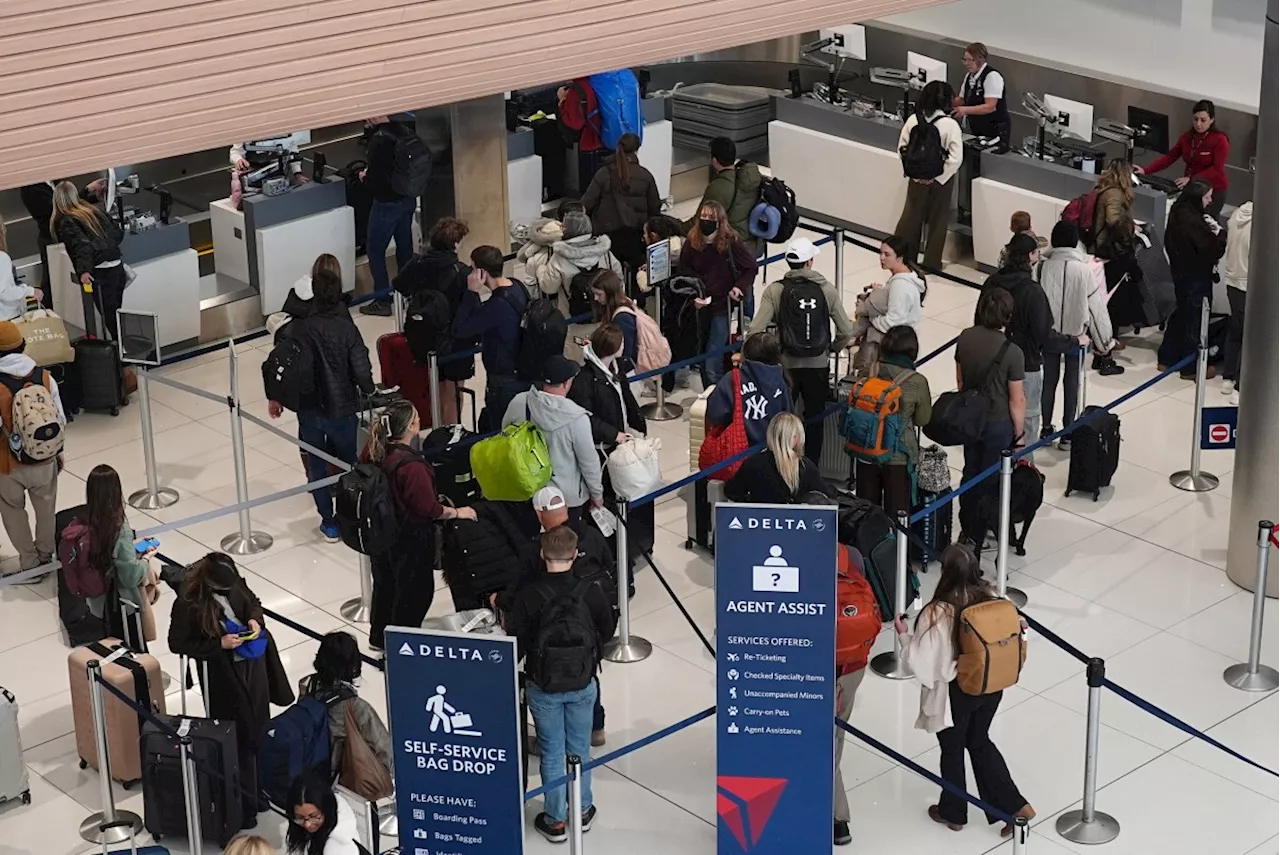
The impending holiday travel period is projected to be one of the busiest on record, with AAA estimating that 122 million Americans will travel between December 20 and January 1. Crowded airports, transit terminals, and family gatherings create optimal conditions for viral transmission. Health officials strongly advise individuals exhibiting symptoms to stay home and encourage practices such as frequent handwashing and vaccination against influenza and COVID-19. Even though the current vaccines may not provide perfect protection, they still significantly lower the risk of severe illness, hospitalization, and death.
Dr. Farrell Tobolowsky, medical director for communicable diseases at the San Francisco Department of Public Health, emphasized the importance of seeking medical advice if symptomatic, particularly for those at higher risk of severe illness. Virologist Dr. Andy Pekosz from Johns Hopkins Bloomberg School of Public Health noted that while the symptoms remain consistent, the current flu strain’s ability to infect more people will likely result in higher case numbers. Dr. Robert Hopkins Jr. from the National Foundation for Infectious Diseases expressed concern regarding the mutated strain’s potential to cause more severe disease.
As families prepare to return home after the holiday season, the CDC and various health agencies will continue closely monitoring viral trends, anticipating further spikes in cases. Public health officials urge vigilance and adherence to safety recommendations to mitigate the impact of these surging illnesses.