AUSTIN – Texas has initiated enforcement of Senate Bill 8, commonly referred to as the “bathroom bill,” which imposes restrictions on public restroom access based on an individual’s sex assigned at birth. The law, which took effect on March 1, 2024, is now the subject of intense scrutiny as local governments grapple with its implications.
On March 15, 2024, Texas Attorney General Ken Paxton announced the launch of a public tip line, enabling residents to report public institutions that they believe are failing to comply with Senate Bill 8. This development has reignited debates surrounding the law, which critics argue promotes discrimination and harassment, particularly towards transgender and gender-nonconforming individuals.
Opponents, including advocates from the Transgender Education Network of Texas, assert that the measure, formally known as the Women’s Privacy Act, compromises safety for all. Landon Richie, policy coordinator for the organization, stated, “Laws like SB 8 don’t only endanger and encourage discrimination against trans and gender expansive people; they also make essential facilities less safe for everyone.” Richie emphasized that the law could lead to unwarranted scrutiny of individuals’ gender identities, further perpetuating harassment.
Legal and Financial Implications
Senate Bill 8 applies to public facilities owned by cities, counties, state agencies, and educational institutions. Entities found in violation of the law could face fines ranging from $25,000 to $125,000, in addition to potential court costs, attorney fees, and injunctive relief. Proponents of the bill argue that it is essential for safeguarding the privacy of women and children in public spaces.
Despite its intended purpose, the law has faced substantial opposition from civil rights groups and local officials who deem it discriminatory and unconstitutional. Mike Siegel, a member of the Austin City Council, criticized the legislation, asserting, “Senate Bill 8 is an unjust law. It’s motivated by a hateful, discriminatory animus.”
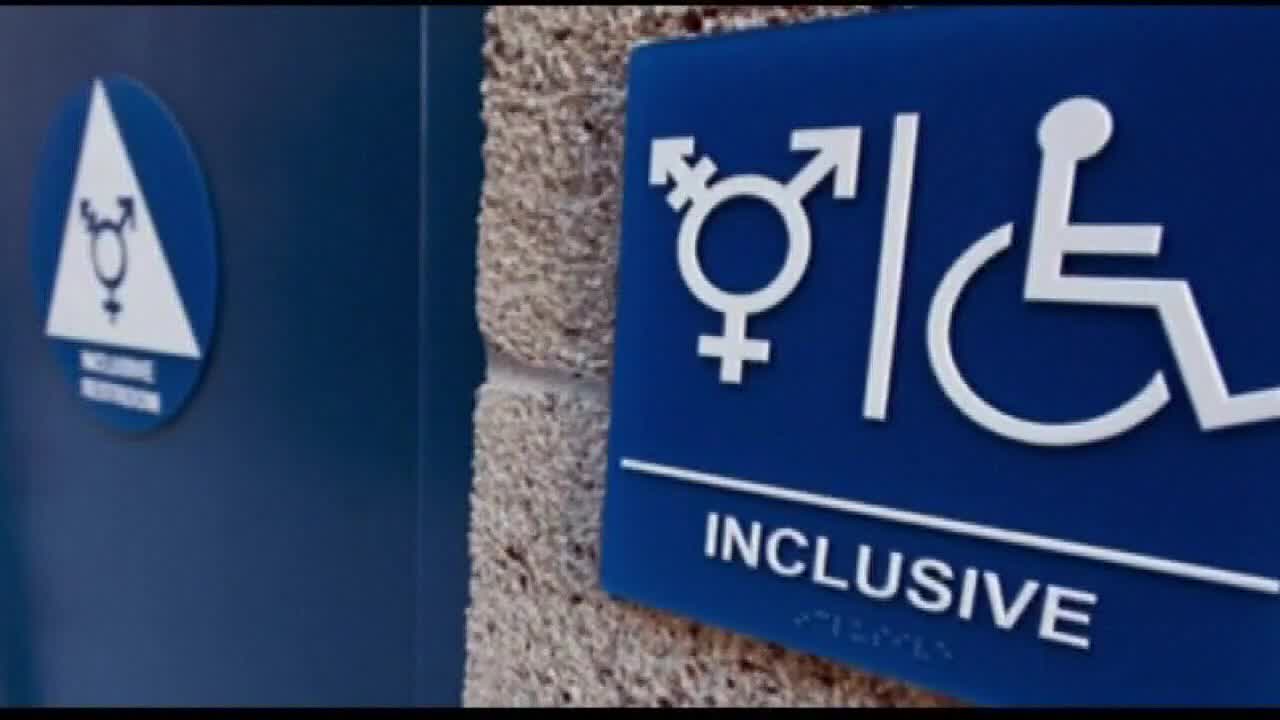
In response to the legislation, the Austin City Council has passed a resolution directing the city manager to develop a capital improvement plan to create gender-inclusive bathrooms in city-owned facilities. The initiative aims to establish fully enclosed, single-use restrooms that comply with state law while promoting inclusivity. The resolution prioritizes accessibility in public-facing facilities, including City Hall.
Council member José Velásquez expressed a commitment to counteract what he characterized as discriminatory rhetoric, stating, “Protecting our trans and non-binary friends is not optional.”
Future Developments and Challenges
The city manager is expected to present a comprehensive capital improvement program addressing bathroom inclusivity to the council by March 20, 2026. Meanwhile, organizations such as Equality Texas, the Human Rights Campaign, and the American Civil Liberties Union have voiced strong opposition to Senate Bill 8, and legal challenges are anticipated.
As local governments navigate the complexities of this new law, the implications for public policy and individual rights in Texas continue to unfold, drawing attention from across the nation. The ongoing debate highlights the intersection of legal frameworks, civil rights, and community safety in the state.