The city of Lowell is making significant strides in affordable housing development, aided by ongoing support from state officials. This past Tuesday, Ed Augustus, Secretary of the Executive Office of Housing and Livable Communities, visited Lowell to review the Merrimack Corridor Housing Project, a notable investment of nearly $100 million aimed at increasing affordable housing options in the Acre neighborhood.
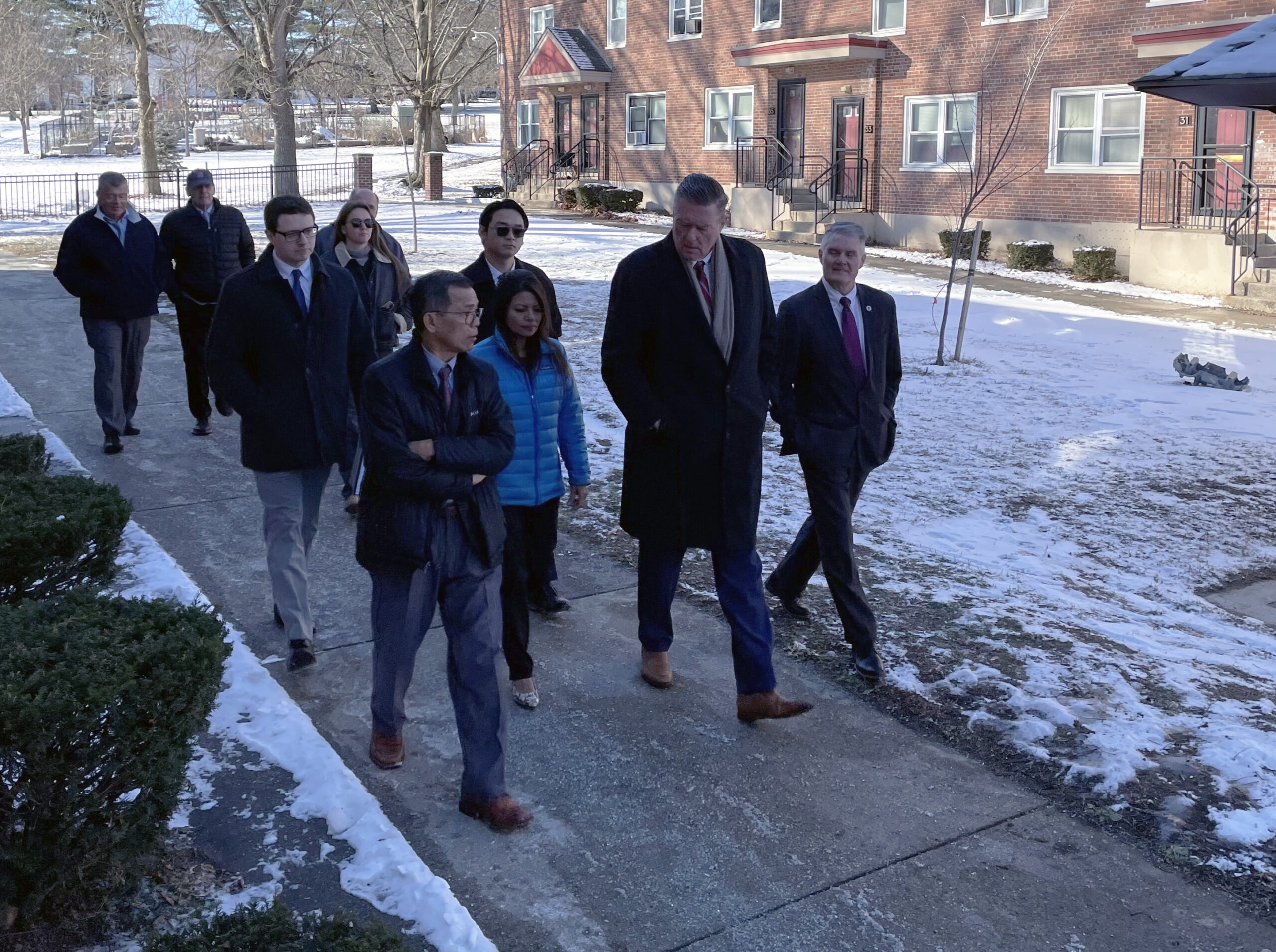
During his visit, Augustus attended a presentation from the Lowell Housing Authority (LHA) detailing this ambitious project, which is expected to substantially enhance the local housing landscape. Following the presentation, he participated in a walking tour of the LHA’s North Common Village, which further showcases the city’s commitment to expanding housing opportunities.
Augustus also inaugurated a new affordable housing development at 733 Broadway St., which features 52 affordable apartments and is designed to be energy-efficient and fully electric. This project not only adds valuable residential space but also preserves the historic character of the site, formerly home to the Merrimack Valley Food Bank. Such initiatives are crucial as Lowell continues to work towards strengthening its neighborhoods and providing housing solutions for its residents.
Ongoing Support and Future Developments
Earlier this year, Augustus toured various housing projects in Lowell that are currently under development or in the planning stages, collectively set to add nearly 300 new units to the city’s housing stock within a quarter-mile radius of City Hall. His involvement underscores the importance of sustained state engagement in local housing issues.
In addition to his recent activities, Augustus joined Governor Maura Healey in announcing the Housing Development Incentive Program at City Hall during the summer. Lowell was awarded $4.5 million for two downtown housing projects, representing the largest share of the $27 million allocated to 14 projects across the state. This funding aims to create a total of 547 new housing units in 11 Gateway Cities throughout Massachusetts.
Augustus emphasized Lowell’s proactive approach to housing, stating, “Lowell has been punching above its weight in terms of housing, not just public housing but housing in general.” His frequent visits to the city reflect a commitment to enhancing living conditions for Lowell’s residents through effective state-local collaboration.
Community Response and Fundraising Initiatives
In a separate development, State Representative Rodney Elliott is shifting his community fundraising efforts in light of the humanitarian crisis at the Thai-Cambodian border. Initially, a fundraiser was planned for his state Senate campaign, but given the recent surge in violence and displacement affecting approximately 400,000-500,000 refugees, Elliott has redirected his focus towards supporting this vulnerable population.
The fundraiser will be held on December 27 at Sompao Meas Hall in Lowell, featuring music by the Arun Reas Band. Suggested donations start at $40, and all proceeds will assist Khmer refugees in dire need of food, shelter, and water.
As the state Senate prepares for a special election on February 3, 2026, Elliott faces competition from candidates including State Rep. Vanna Howard and Republican candidate Sam Meas. The election will culminate in a general election on March 3, 2026.
The community’s proactive stance on housing and humanitarian efforts demonstrates a broader commitment to social responsibility and engagement. As Lowell navigates these complex challenges, the collaboration between state officials and local leaders remains critical in addressing the urgent needs of its residents.
Meanwhile, the Tyngsboro Select Board has joined other municipal authorities in advocating for increased local aid, based on reports from the Massachusetts Municipal Association. The reports highlight an “urgent need” for financial support to stabilize municipal finances amid rising costs and insufficient state aid.
These developments in Lowell illustrate a community striving to balance growth, housing, and humanitarian efforts while advocating for the necessary resources to sustain its progress. The engagement of state officials like Augustus signifies a vital partnership that aims to enhance the quality of life for all residents.