Efforts to improve health care in the United States often overlook vital resources already present within communities. In the Lehigh Valley region of Pennsylvania, three Federally Qualified Health Centers (FQHCs) provide essential care to thousands of residents each year. These centers—Valley Health Partners Community Health Center, Neighborhood Health Centers of the Lehigh Valley, and Star Community Health—are dedicated to delivering high-quality, affordable services to individuals regardless of their insurance status or ability to pay.
Each of these organizations operates independently but shares a common goal: to enhance health outcomes while reducing disparities in care. Together, they embody a model that emphasizes comprehensive, community-based primary care. Nationwide, FQHCs serve more than 30 million people annually, demonstrating a proven track record of effectiveness.
Comprehensive Care and Community Commitment
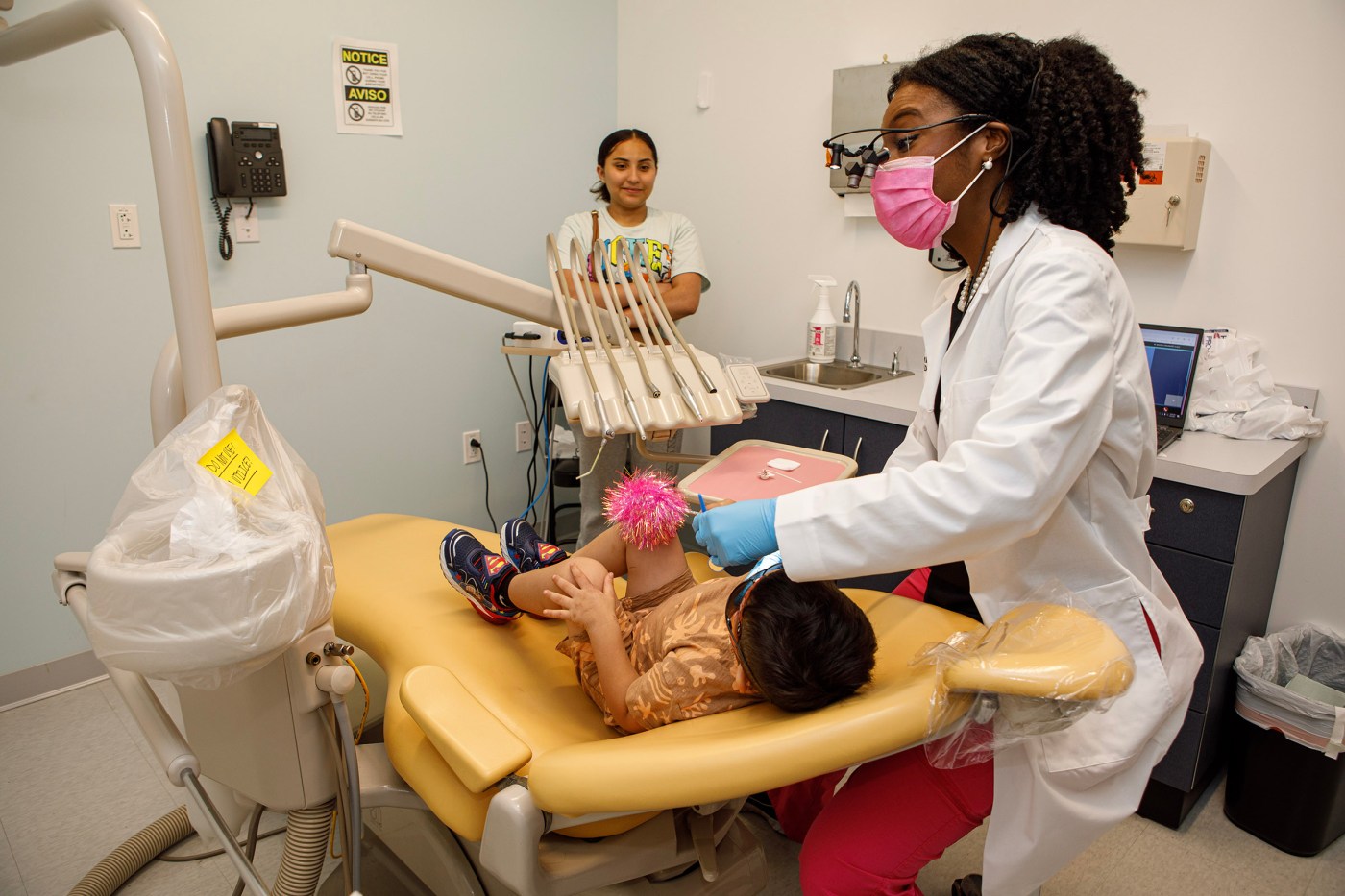
Valley Health Partners (VHP) stands out in its commitment to the most underserved neighborhoods in Allentown, and has recently expanded its services to Easton and the Poconos. VHP emphasizes values such as compassion, accessibility, and cultural sensitivity. It operates a network of family health centers, pediatric services, behavioral health programs, and dental clinics.
One notable initiative is its school-based health sites, which provide preventive care to children without disrupting their education. This access not only improves immediate health outcomes but also helps reduce chronic absenteeism—an issue that has long-term implications for students’ academic success. By working closely with the Lehigh Valley Health Network, VHP ensures that patients transitioning from hospital care have a reliable primary care provider, thereby minimizing the risk of complications and costly readmissions.
Neighborhood Health Centers of the Lehigh Valley (NHCLV) takes a collaborative approach to patient care. Operating clinics in Allentown, Bethlehem, and Easton, NHCLV offers integrated primary care, dental services, behavioral health support, and health education. This “medical home” model helps patients facing challenges such as housing instability or food insecurity.
NHCLV’s team-based strategy involves collaboration among physicians, nurse practitioners, behavioral health clinicians, dentists, and community health workers. This holistic view of patient care fosters a deeper understanding of the factors affecting individual health, leading to improved long-term outcomes.
Expanding Access Through Innovation
Star Community Health, affiliated with St. Luke’s University Health Network, provides additional services, including family medicine, dental care, and OB/GYN services. Its innovative mobile units and outreach programs bring essential health services directly to neighborhoods, schools, and community centers. These efforts are crucial in reaching children who might otherwise miss out on routine medical and dental care, preventing minor health issues from escalating into significant problems.
The combined efforts of VHP, NHCLV, and Star Community Health create a robust network of health resources in the Lehigh Valley. Collectively, they serve tens of thousands of residents, reduce unnecessary emergency room visits, and improve maternal and pediatric health outcomes. Furthermore, they address critical social issues such as language barriers and transportation challenges, ensuring that care is both culturally responsive and accessible.
As health care costs continue to rise and workforce shortages become more pronounced, the role of these FQHCs will only become more critical. Policymakers, employers, and community members need to recognize these centers as strategic assets rather than merely safety-net providers.
The ongoing commitment of Valley Health Partners, Neighborhood Health Centers of the Lehigh Valley, and Star Community Health demonstrates that high-quality, community-centered care is not only possible but essential. These organizations exemplify a model of health care that prioritizes dignity, equity, and access—qualities that are increasingly vital in today’s complex health landscape. As the region looks toward the future, these health centers will undoubtedly remain central to the health and well-being of the community.