The cost of health insurance is poised to more than double for approximately 22 million Americans starting on January 1, 2026, following Congress’s decision to reject an extension of essential subsidies. The enhanced premium tax credits provided under the Affordable Care Act (ACA) have significantly lowered insurance costs, but without Congressional intervention, these credits will expire at the end of the year. This change will result in enrollees facing much higher premiums.
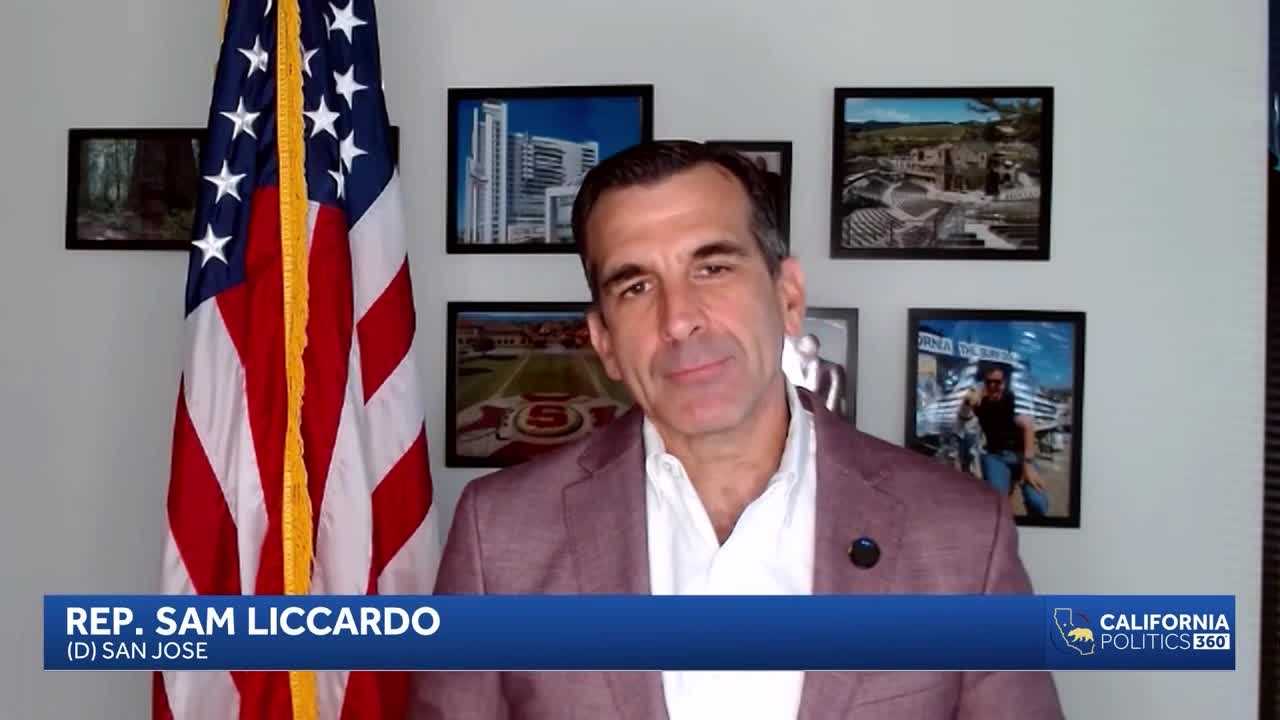
Several representatives from California attempted to mitigate the impact of this decision. A compromise bill, known as the Fix It Act, was introduced by Rep. Kevin Kiley and Rep. Sam Liccardo this fall. Their proposal aimed to extend the tax credits for an additional two years while funding them through various reforms in the insurance sector. However, due to a stalemate in Congress that resulted in a government shutdown, the bill did not progress.
Instead, a different proposal is likely to be voted on in the House, which suggests a three-year extension of the tax credits. This initiative is backed by Democrats and a small group of Republicans who have utilized a procedural maneuver to bring the bill to the floor. Despite this effort, House Speaker Mike Johnson declined to hold a vote before the holiday recess, leaving the future of the subsidies uncertain.
In an interview, Liccardo expressed disappointment, stating, “We thought we had a good compromise, many Republicans joined us in a bipartisan effort, and as we know, the momentum of the House has changed in different ways.” He warned that without the enhanced subsidies, an estimated 2 to 3 million Americans could lose their health insurance due to increased costs. The demographic most affected is expected to be younger and healthier enrollees, who may find premiums unaffordable.
Liccardo further explained that a decline in insured individuals would create a ripple effect, raising premiums for all insured parties. “That means all of our premiums will be 5% higher on average, because we no longer have as healthy an insurance pool,” he stated. This situation underscores the broader implications of reduced enrollment on the insurance market.
The political ramifications of this issue are significant, according to Liccardo. He noted that representatives on both sides of the aisle are grappling with the potential backlash from constituents over skyrocketing healthcare costs. “Americans in both parties will be hurt in a severe way by the steep increases in the cost of their healthcare,” he said, suggesting that voters may hold politicians accountable at the polls.
Looking ahead, Liccardo anticipates that the House will pass the three-year extension of the enhanced premium tax credits in January, shortly after the current subsidies expire. However, he believes that the Senate is likely to stall the bill, necessitating further negotiations to reach a viable compromise. “I’m working hard with colleagues in the Senate to see if we can get to a space where we can include some cost savings with extensions so we can actually help folks,” he added.
The outcome of these developments will be closely monitored, as millions of Americans prepare for potentially significant increases in their health insurance premiums. The urgency of this issue reflects broader concerns about healthcare affordability and access in the United States.