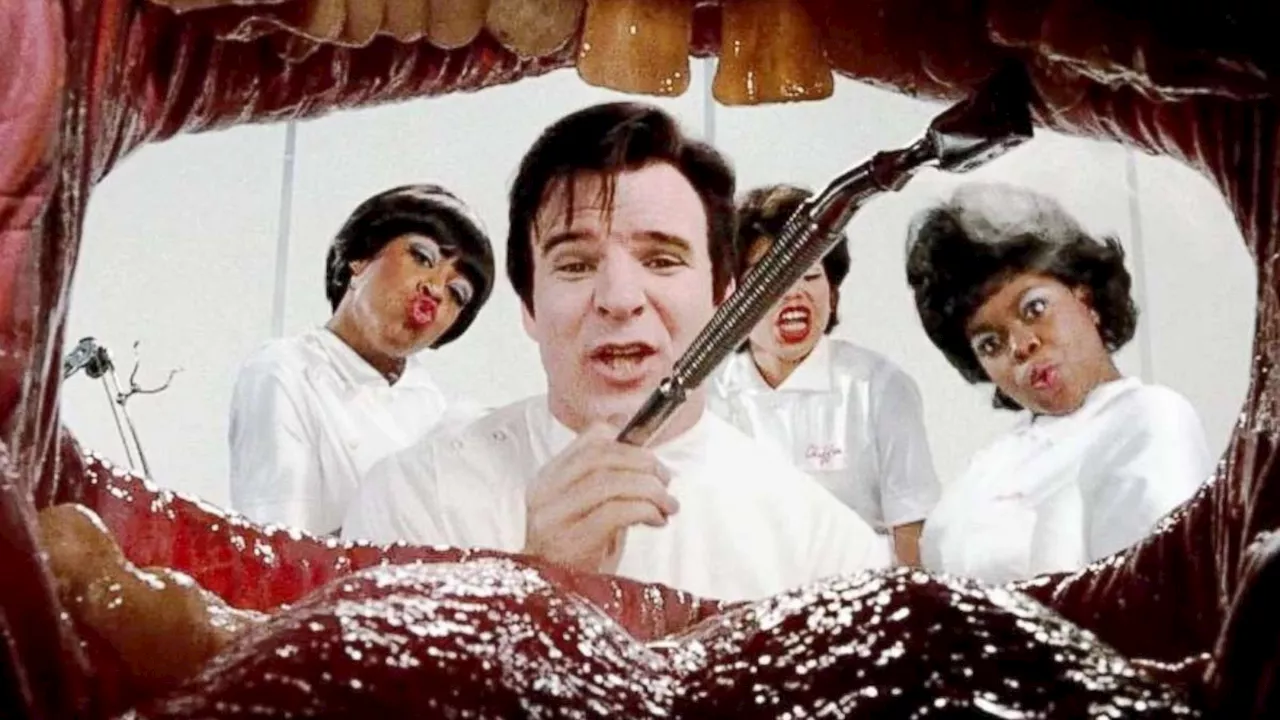
The evolution of the 1986 film Little Shop of Horrors reflects a fascinating journey from its Off-Broadway origins to cult classic status. Directed by Frank Oz, the film adapted the popular stage musical by Howard Ashman and Alan Menken, which itself was based on a 1960 movie. While the film initially saw modest success, it has since gained a devoted following, largely due to its unique blend of horror, comedy, and musical elements.
One of the most significant aspects of the film’s legacy is the controversial decision to change its original ending. Oz’s initial vision included a grim conclusion, where the protagonist, Seymour Krelborn, faces dire consequences for his Faustian bargain with the giant plant, Audrey II. During a test screening in San Jose, audience reactions turned overwhelmingly negative when the tone shifted towards tragedy. Viewers who had connected with the characters were dismayed, leading the studio to fear a box office disaster.
As a result, the original 23-minute climax was cut, and a new “happy ending” was filmed to appease audiences. In this sanitized version, Seymour successfully kills the plant, saves his love interest Audrey, and they escape to a conventional life in suburbia. While this ending provided immediate satisfaction, it significantly undermined the film’s central themes of ambition and consequence.
In the original narrative, Seymour’s journey is a cautionary tale about the perils of sacrificing one’s morals for success. He feeds humans to Audrey II in pursuit of fame, yet the theatrical cut rewards him with a happy ending, transforming a sharp satire of capitalist greed into a light-hearted comedy. This tonal shift strips the story of its deeper meaning, leaving audiences with a diluted version of Ashman and Menken’s original intent.
It was not until 2012 that the original footage was restored and released as the Director’s Cut. This version reestablishes the film’s integrity by following the storyline to its logical conclusion. In the restored ending, Seymour’s rescue attempt fails, resulting in Audrey being devoured by the plant, and ultimately, Seymour meets the same fate. This conclusion reinforces the narrative’s warning about unchecked ambition, presenting a stark contrast to the happier, edited ending.
The restored footage also features impressive technical achievements that had previously been lost. The original ending includes scenes of the plant’s offspring wreaking havoc on New York City, showcasing elaborate miniatures and advanced puppetry techniques that highlight the visual spectacle of the 1980s. By reinstating this footage, the Director’s Cut honors the true vision of Frank Oz and his collaborators, while also celebrating the pioneering practical effects that characterized the era.
The journey of Little Shop of Horrors illustrates the complex relationship between audience expectations and artistic integrity. As a film that began as a quirky stage production, its transformation into a cinematic experience speaks volumes about the challenges and triumphs faced by filmmakers. Today, it stands as a testament to the power of storytelling, reminding audiences of the consequences of ambition and the importance of staying true to one’s artistic vision.