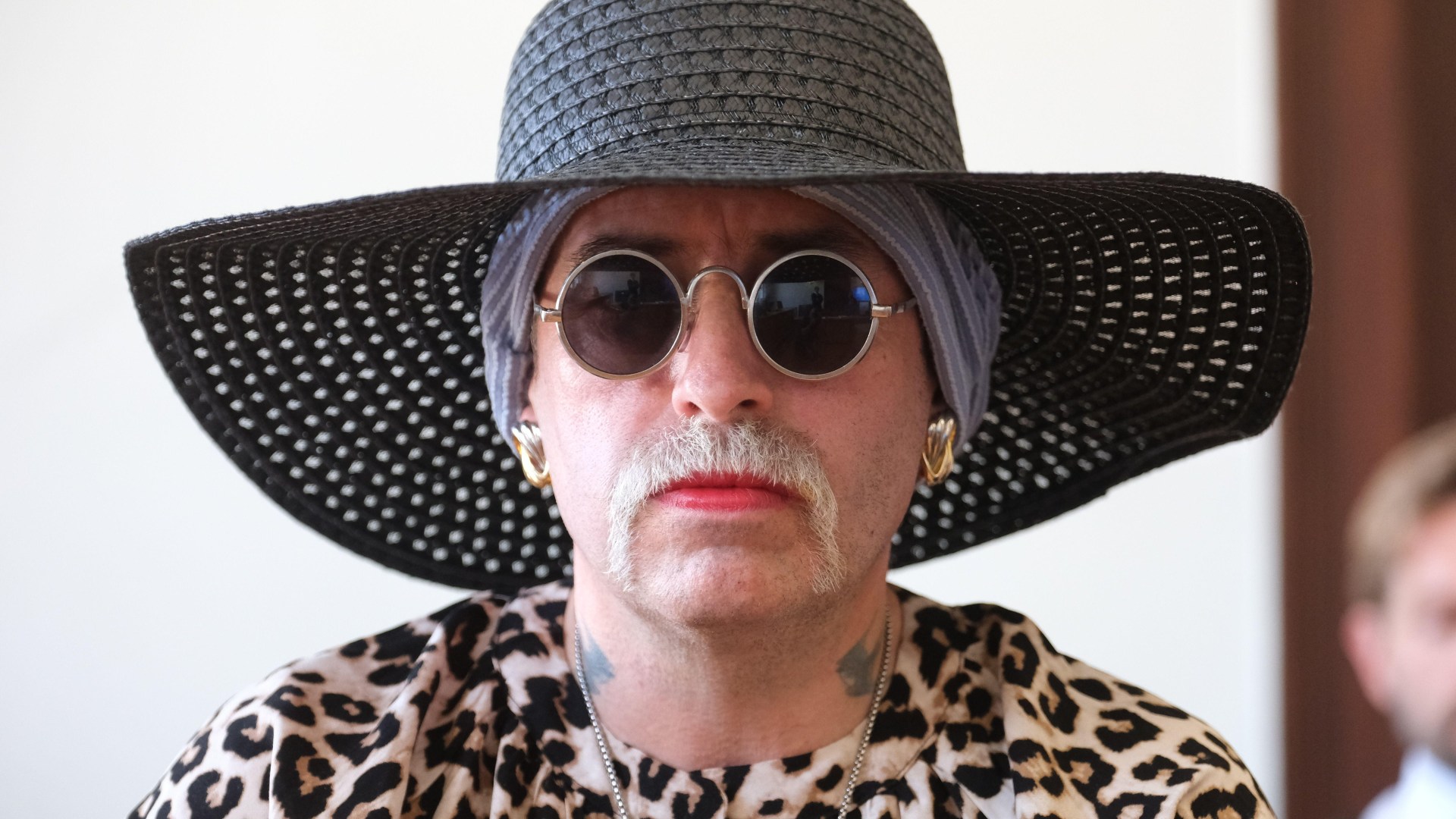
UPDATE: A notorious neo-Nazi fugitive, Marla-Svenja Liebich, has applied for non-binary status after evading a prison sentence that was to be served in a women’s facility in Chemnitz, Germany. The far-right extremist, previously known as Sven, is currently on the run and has failed to report for an 18-month prison sentence for inciting hatred and other crimes, raising serious concerns about the exploitation of Germany’s new gender self-determination law.
Liebich, who changed gender prior to sentencing in July 2023, made headlines when she submitted a request to change her gender status yet again while remaining a fugitive. The timing of her application is critical, as it follows significant backlash against her previous transition, which she claims has been “ruined” by public scrutiny. In a statement to Euronews, Liebich expressed her disillusionment, saying, “Being a woman no longer feels right. Because of all the hate and smear campaigns against me.”
Liebich, a member of the banned neo-Nazi group Blood and Honour, was engaged in various hate-filled activities, including inciting violence and promoting extremist views. She has been described as a ringleader of the far-right movement in eastern Germany since the 1990s. Following her conviction, she attempted to appeal the sentence but was unsuccessful, leading to her designation as a fugitive after failing to report to the women’s prison.
The case has ignited a heated debate around Germany’s self-determination law, enacted in 2023, which allows individuals to change their registered gender by simply signing a form at a local registry office—bypassing the need for medical assessments. Critics argue that this law can be manipulated by individuals with criminal backgrounds, as evidenced by Liebich’s situation.
Currently, Liebich claims that the requirement to appear in person at the registry office poses a threat to her safety, fearing immediate arrest. An official technical supervisory complaint has been lodged, alleging that the requirement violates her personal rights.
As this situation unfolds, the implications are profound, not just for Liebich but for the broader conversation surrounding gender identity and criminal justice in Germany. The reforms intended to support transgender, intersex, and non-binary individuals are now under scrutiny due to the potential for abuse by individuals like Liebich, who has been openly hostile towards the LGBTQ community.
In a troubling social media post, Liebich, while on the run, shared a message stating “love from Moscow,” alongside an AI-generated image of the Russian capital, further highlighting her controversial ties and support for Vladimir Putin amidst the ongoing conflict in Ukraine.
The fallout from Liebich’s actions raises urgent questions about the effectiveness of current laws and the need for potential reform to prevent future exploitation. As authorities continue to search for her, the public is left to grapple with the implications of a case that has become a flashpoint in discussions about identity, justice, and the rights of marginalized communities.
As developments continue to emerge, all eyes will be on the legal and social ramifications of Liebich’s case, which could redefine the boundaries of gender identity legislation in Germany. Stay tuned for updates on this evolving story.