BREAKING: Organized crime is driving a significant political shift in Latin America, with a surge in violence and illicit economies reshaping the region’s security landscape. A new report from the Global Initiative Against Transnational Organized Crime reveals that as of 2025, 39 organized crime groups are operating across Latin America, leading to an alarming rise in right-wing governments.
The report, released on December 19, 2025, highlights how these criminal organizations have become increasingly sophisticated, coordinating operations across borders. This transformation has resulted in a new wave of migration, escalating violence, and political instability.
Hugo Contreras, an organized crime specialist at the School of Government, Universidad del Desarrollo, stated, “Organized groups have diversified from simple trafficking to a portfolio of activities including extortion, human trafficking, and arms smuggling.” He emphasized that this diversification has fueled territorial disputes, making local crime issues into international threats.
The report notes that countries like Mexico, Ecuador, Brazil, and Haiti rank among the world’s ten most dangerous nations, according to the Armed Conflict Location and Event Data Project (ACLED). In Mexico, violence has surged following the arrest of cartel leader Ismael “El Mayo” Zambada in July 2024. In Ecuador, gang-related violence has claimed over 3,600 lives, with homicide rates expected to hit record highs for the third consecutive year.
Contreras added that institutional weaknesses, such as collapsed prison systems, have allowed criminal groups to operate with impunity. “Prisons have turned into logistical hubs for these organizations,” he warned. The rise of more aggressive gangs has forced governments to rethink traditional crime-control strategies, necessitating comprehensive responses that include financial intelligence and international cooperation.
Meanwhile, Pablo Carvacho from the Center for Justice and Society, Pontifical Catholic University of Chile, noted that the influx of migrants has created opportunities for these groups to exploit vulnerable populations. “Migratory processes have opened doors for transnational illicit activities, particularly affecting migrants,” he explained.
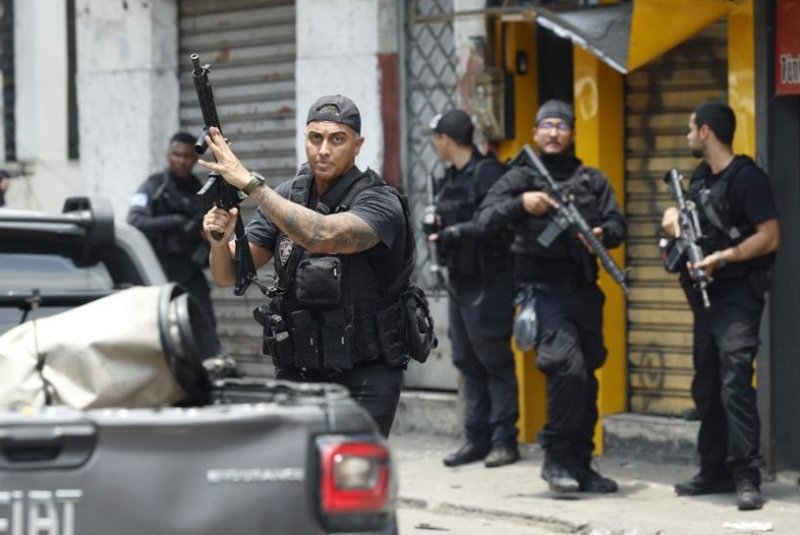
The consequences of this surge in organized crime are profound, leading to the election of right-wing governments in at least 10 countries in the region during the 2024-2025 period. These governments are implementing stricter law enforcement measures, often relying on emergency powers to address the escalating crisis.
Carvacho stressed that containing organized crime will require a coordinated international effort. “Emergency policies alone will not stop its advance,” he cautioned, emphasizing the need to target financial assets and reduce the vulnerabilities that lead to recruitment.
As violence continues to escalate, the urgency for a unified and robust response grows. The situation remains fluid, with developments unfolding rapidly across the region. Stay tuned for updates as authorities grapple with these unprecedented challenges.