In a recent reflection on his experiences at Hopkins University, freshman Bryce Leiberman examined the complexities of identity and bias in political discourse. The analysis, prompted by a conversation about his foreign policy paper on the Iraq War, highlights the implications of using “we” when discussing national issues, inviting readers to consider the intrinsic biases that shape their perspectives.
Confronting Implicit Bias
While drafting his paper, Leiberman shared an overview of the Iraq War with a friend, who remarked on the implicit bias revealed in his language. The friend pointed out that each time Leiberman referred to America, he had used “we,” suggesting a deeper identification with the nation’s actions, despite having no direct involvement. This moment of self-reflection led Leiberman to question his own American identity and how it influences his academic work.
The notion of identity is multifaceted, incorporating physical, psychological, and social elements. For Leiberman, saying “we” in reference to the Iraq invasion felt as if he were part of a collective experience, even though he was born after the conflict began. This automatic association highlights the potential pitfalls of viewing international events through a narrow, nationalistic lens. As he walked to class, he pondered why he instinctively adopted an American identity, especially given the tragic consequences of the invasion.
Understanding Identity and Its Implications
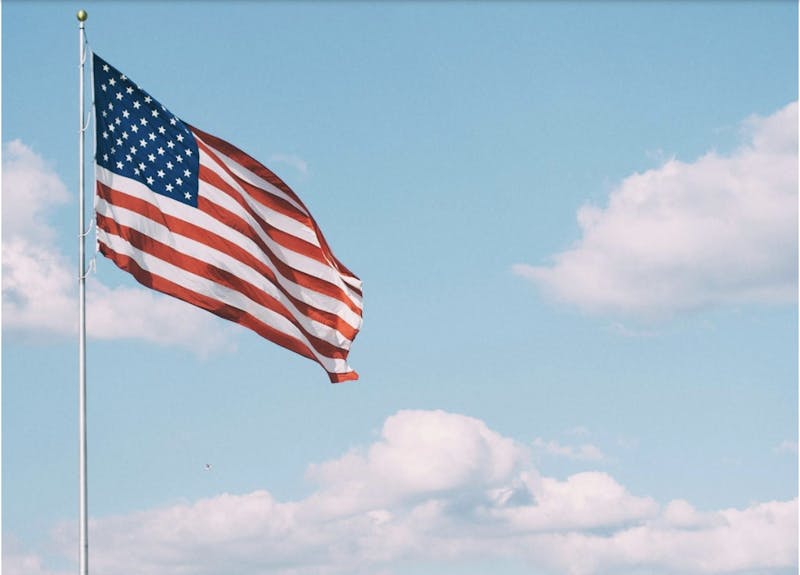
Pride in one’s nationality can be a double-edged sword. Leiberman noted that being proud of American citizenship does not equate to endorsing all actions taken by the country. He indicated that pride is often conflated with symbols of nationalism, such as lawn signs and eagles, which may obscure the distinction between individual identity and group affiliation. This blurring of lines can lead to challenges when engaging in discussions about U.S. security policy with peers from different backgrounds.
Through his reflection, Leiberman emphasized that Americans are not a monolithic group. The way individuals divide themselves—whether through sports teams, political affiliations, or geographic locations—shapes their perspectives and influences their interactions with others. He acknowledged that while these group identities can foster community and support, they can also lead to a tribal mentality that limits understanding and collaboration.
Ultimately, Leiberman’s experience serves as a reminder that recognizing one’s biases is crucial in fostering constructive discussions about complex issues. He encourages others to be mindful of the ways identity shapes their viewpoints and to strive for a balanced understanding of differing perspectives. In doing so, individuals can navigate the complexities of political discourse more effectively and engage meaningfully with diverse viewpoints.
Leiberman’s insights reflect a growing awareness among students of the importance of intellectual humility and the need to challenge preconceived notions. As he continues his studies in Political Science and Philosophy at Hopkins, he aims to explore the intricate relationship between identity, bias, and discourse, contributing to a more nuanced understanding of contemporary issues.