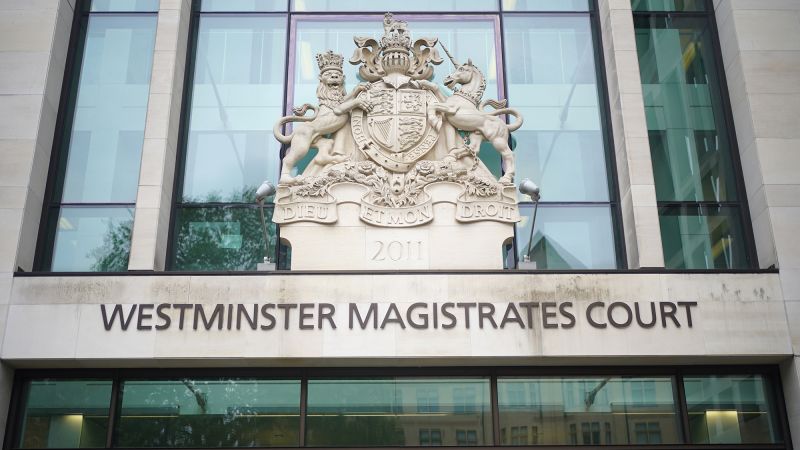
The UK government has announced plans to reform the jury trial system, aiming to address a significant backlog in criminal cases. This proposal, introduced by Justice Secretary David Lammy, seeks to establish a new tier of jury-free courts for cases where defendants face sentences of up to three years. The changes would impact a range of offenses, including fraud, robbery, and drug-related crimes, which have traditionally been handled by the Crown Courts.
As of now, nearly 80,000 criminal cases are pending in the Crown Courts, a figure projected to rise to 100,000 by 2028. This backlog leaves many victims waiting years for their cases to be heard, with some sexual offense cases lingering unresolved for up to four years, according to UK government data. The Victims’ Commissioner, an independent agency, has highlighted the detrimental impact of these delays, suggesting that many victims feel abandoned by a system that is increasingly strained.
In a statement to the House of Commons on December 8, Sarah Sackman, Minister of State for Courts and Legal Services, emphasized the urgency of the reforms, arguing that “justice delayed is justice denied.” The proposed changes will not apply to Scotland or Northern Ireland, which operate under separate legal systems.
Victims of crime have voiced their concerns regarding the proposed reforms. One individual, who suffered an assault that left him with psychological trauma, described how the backlog affected his case. “The police told me that the Crown Prosecution Service was unlikely to prosecute because of the court backlog,” he said, emphasizing the frustration and fear many victims experience during prolonged wait times.
Concerns and Backlash Over the Reforms
The announcement to limit jury trials has sparked significant backlash across the political spectrum. Conservative MP and Shadow Justice Minister Robert Jenrick criticized the proposal as a “disgrace” that undermines a fundamental right. The right to a jury trial has deep historical roots in the UK, tracing back to the Magna Carta in the 13th century.
A recent YouGov poll revealed that a majority of the public, approximately 54%, prefer a jury to decide their verdicts if accused of a crime. Helena Kennedy KC, a Labour member of the House of Lords, expressed concerns about the motivations behind the reforms, suggesting that they reflect a belief among politicians that ordinary citizens are unqualified to serve as jurors. She emphasized that jury service is a vital component of democratic participation.
Legal experts have pointed to delays exacerbated by the COVID-19 pandemic as a significant contributor to the current backlog. Lachlan Stewart, a criminal barrister in Birmingham, noted that the existing system was already operating at full capacity before the pandemic, which left it unable to recover from subsequent disruptions.
Opposition to the reforms also highlights the role of juries in ensuring diverse perspectives in deliberations. A 2017 independent review into the treatment of Black, Asian, and Minority Ethnic individuals in the criminal justice system found that jury trials are more likely to yield fairer outcomes than judge-only trials. This review underscored the importance of juries in acting as a “filter for prejudice,” given their composition from a broad demographic spectrum.
Advocacy for Broader Changes
While some support the proposed reforms, others believe they should go further. Organizations such as Rape Crisis England & Wales have long advocated for changes to the legal process surrounding sexual offenses. They argue that the current system often retraumatizes survivors, with many facing extensive delays and multiple trial postponements.
A report titled “Living in Limbo,” released by Rape Crisis, detailed the struggles faced by survivors, many of whom ultimately withdraw from legal proceedings due to the stress and uncertainty. This finding raises critical questions about the effectiveness of the proposed jury reforms in genuinely alleviating the challenges faced by victims.
On March 15, 2024, it was revealed that 39 Labour Party backbenchers had urged Prime Minister Keir Starmer to reconsider the reforms. They contend that increasing the number of court sitting days could be a more effective approach to address the backlog. Currently, around 130,000 sitting days are available, but there are restrictions that limit the number used by 20,000 each year.
As discussions continue, the balance between ensuring timely justice and preserving the rights afforded by jury trials remains a contentious issue in the UK. The outcome of these reforms will likely shape the future of the criminal justice system and its ability to serve the public effectively.